Contents:
- Understanding Hair Pigment Before You Lighten
- How To Lighten Dark Hair Without Bleach: Natural Methods
- Chamomile Tea Rinse
- Lemon Juice Spray
- Cinnamon Paste
- Rhubarb Root Tea Rinse
- Semi-Permanent Colour Without Bleach: A Faster Alternative
- How Semi-Permanent Works on Dark Hair
- What Results Look Like
- Cost and Maintenance
- Comparison: Natural Methods vs. Semi-Permanent vs. Bleach
- Combination Approach: Natural Methods Plus Semi-Permanent
- Regional Considerations: UK Climate and Lightening
- Expert Insight: What Professionals Recommend
- Practical Timeline: Week by Week
- FAQ
- Can I lighten black hair to blonde without bleach?
- Do any natural methods work on black hair?
- How much lighter will chamomile make my dark brown hair?
- Is semi-permanent colour damaging like bleach?
- Can I combine natural methods, like mixing lemon and chamomile?
For centuries, people have lightened dark hair without harsh chemicals. Ancient Egyptians used henna and chamomile. Medieval Europeans relied on lemon juice and sun exposure. These methods work because they work with your hair’s pigment chemistry rather than demolishing it with bleach.
Today, if you’re looking to lighten dark hair without bleach, you have more options than ever. Some are gentle and gradual. Others provide more dramatic results over time. None will turn black hair blonde overnight—that requires bleach—but they’ll shift your shade noticeably and sustainably.
Understanding Hair Pigment Before You Lighten
Your hair colour comes from melanin—the same pigment in your skin. Dark hair contains high levels of both eumelanin (brown/red pigment) and pheomelanin (red/yellow pigment). Lightening works by either removing melanin (what bleach does) or depositing lighter pigment over it (what gentler methods do).
Bleach strips melanin chemically, leaving your hair vulnerable to damage. Natural lightening methods instead deposit lighter pigment or gradually oxidise melanin with UV exposure. Your hair stays stronger because the protein structure remains intact.
The downside: natural methods work more slowly and subtly. You won’t see dramatic change in two weeks. But over 8-12 weeks, the cumulative effect is noticeable, and your hair remains healthy.
How To Lighten Dark Hair Without Bleach: Natural Methods
Chamomile Tea Rinse
Chamomile contains compounds that gradually oxidise melanin, shifting dark hair toward bronze and light brown tones. It works best on medium to dark brown hair; it’s less effective on black hair. Results are subtle but cumulative.
Method: Brew 5-6 chamomile tea bags in 500ml of boiling water. Let cool completely. After shampooing, pour the cooled tea slowly over your hair, collecting it in a basin and pouring again. Repeat 5-10 times. Leave it in for 10-15 minutes, then rinse with cool water.
Frequency: 2-3 times weekly for 8-12 weeks. You’ll see noticeable lightening after 6-8 weeks of consistent use.
Cost: Chamomile tea bags (20 bags) cost £1.50-3. One box lasts about 4 weeks if using 5-6 bags per application. Monthly cost: £4-7.
Results: Most effective on light brown to medium brown hair. Can shift shade by 1-2 levels over 12 weeks. Black hair shows minimal change.
Lemon Juice Spray
Lemon juice contains citric acid, which oxidises melanin when activated by UV light. This is why people’s hair lightens naturally in summer—sun plus citric acid. The method is simple but requires patience and sun exposure.
Method: Mix 1 part fresh lemon juice with 3 parts water in a spray bottle. Add 1 teaspoon of cinnamon powder (optional; it enhances lightening). Spray generously on damp hair, focusing on mid-lengths and ends. Sit in direct sunlight for 2-3 hours. Rinse with cool water and deep condition.
Caution: Lemon juice can be drying, especially with extended sun exposure. Always deep condition after use. Avoid spraying near your eyes.
Frequency: 2-3 times weekly during summer months (May-August in the UK when UV is strongest). Less effective in winter when sunlight is weaker.
Cost: Fresh lemons cost £0.30-0.50 each. You need 1-2 per application. Monthly cost during summer: £6-15.
Results: Most noticeable on light brown to dark blonde hair. On black hair, results are minimal without consistent, prolonged use. Expect 1-2 shade shifts over 8-12 weeks of weekly application.
Cinnamon Paste
Cinnamon is gentler than lemon but slower-acting. It works synergistically with heat and time to subtly lighten dark hair. Results are most visible on medium brown hair.
Method: Mix 3-4 tablespoons of ground cinnamon with your regular conditioner (use enough to make a spreadable paste). Apply to damp hair, cover with a shower cap, and leave for 8-10 hours (overnight works well). Rinse thoroughly with cool water.
Frequency: Once weekly for 8-12 weeks.
Cost: Ground cinnamon (100g) costs £3-5. One jar lasts about 10-12 applications. Monthly cost: £3-5.
Results: Subtle lightening, 0.5-1.5 shades lighter over 12 weeks. Best results on medium to light brown hair. Minimal effect on black hair.
Rhubarb Root Tea Rinse
Rhubarb root contains compounds that lighten hair similarly to chamomile but with slightly stronger results. It’s less common than chamomile but worth trying if you want something more potent.
Method: Simmer 30g of dried rhubarb root in 1 litre of water for 30 minutes. Cool completely. Use as a rinse after shampooing, repeating 5-10 times like the chamomile method. Leave on for 15 minutes before final rinse.
Frequency: 2-3 times weekly for 8-12 weeks.
Cost: Dried rhubarb root (100g) costs £8-12 online. One bag lasts 8-10 applications. Monthly cost: £8-15.
Results: Slightly more dramatic than chamomile. Expect 1-2 shade shifts on medium brown hair over 10-12 weeks. Minimal effect on very dark hair.
Semi-Permanent Colour Without Bleach: A Faster Alternative
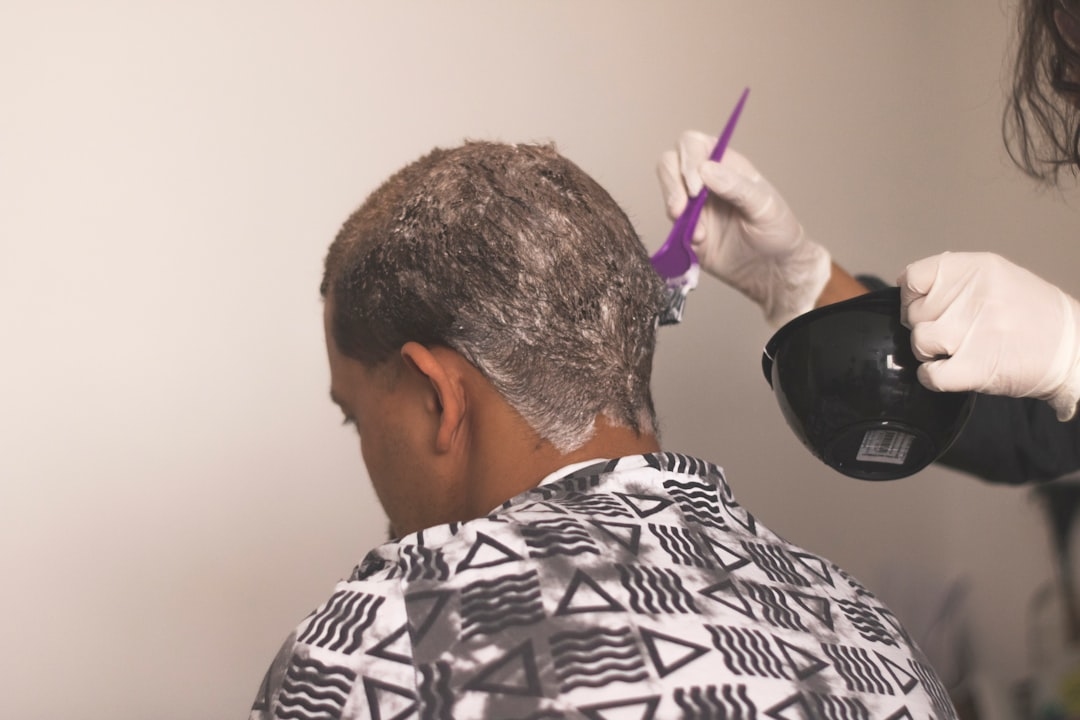
Natural methods are gentle but slow. If you want faster results without bleach damage, semi-permanent colour deposited on dark hair offers a middle ground. These colours sit on top of dark hair, creating subtle shifts or adding warmth without lightening chemistry.
How Semi-Permanent Works on Dark Hair
Semi-permanent colour doesn’t lighten dark hair the way bleach does. Instead, it deposits lighter pigment that creates a subtle shift. A deep burgundy or warm chestnut deposit on black hair creates richness and dimension without actual lightening. This works on very dark hair; natural methods don’t.
Semi-permanent colours: Clairol Natural Instincts (£5-7), Schwarzkopf Gliss Colour (£4-6), or higher-end options like Wella Color Charm (£8-12). All available in UK supermarkets and chemists.
What Results Look Like
On black hair: You won’t see lightening but you’ll see richness and dimension. Chestnut or warm brown shades add warmth. Red or burgundy shades add depth and shine.
On dark brown hair: Semi-permanent colours create noticeable lightening. A medium brown semi-permanent applied to dark brown can shift the shade 1-2 levels lighter, particularly on mid-lengths and ends where colour is already slightly lighter.
On medium brown hair: Semi-permanent creates dramatic results. A blonde or light brown semi-permanent can shift medium brown hair 2-3 shades lighter, especially on sun-exposed ends.
Cost and Maintenance
Semi-permanent colour costs £4-12 per application and lasts 6-8 weeks before fading. Monthly cost: £8-24 depending on frequency and brand.
Advantage: Semi-permanent colour doesn’t damage hair like bleach. Your hair strengthens as colour fades (most semi-permanent colours contain conditioning agents). You can reapply frequently without worry.
Comparison: Natural Methods vs. Semi-Permanent vs. Bleach
Understanding the difference helps you choose the right approach.
| Method | Speed | Hair Damage | Results on Black Hair | Cost/Month | Reversal? |
|---|---|---|---|---|---|
| Chamomile/Lemon | Slow (8-12 weeks) | None | Minimal | £4-15 | Yes (fades naturally) |
| Cinnamon | Slow (8-12 weeks) | None | Minimal | £3-5 | Yes (fades naturally) |
| Semi-Permanent | Fast (immediate) | None | Dimension added (no lightening) | £8-24 | Yes (fades in 6-8 weeks) |
| Bleach | Very fast (immediate) | Significant | Complete lightening possible | £30-80 professional | Difficult (requires re-pigmenting) |
Combination Approach: Natural Methods Plus Semi-Permanent
For the best results without bleach damage, combine natural methods with semi-permanent colour.
Week 1-4: Start with natural lightening methods (chamomile rinses 2-3 times weekly). You’ll see subtle shifts and prepare your hair.
Week 5: Apply semi-permanent colour. On naturally lightened hair, semi-permanent creates more dramatic results because it’s depositing onto pre-lightened base. A light brown semi-permanent applied to hair that’s already been naturally lightened appears 1-2 shades lighter than it would on untreated dark hair.
Week 6-12: Continue natural lightening while semi-permanent fades. Reapply semi-permanent every 6-8 weeks if desired.
Cost over 12 weeks: Natural methods (£60-130) plus one semi-permanent application (£8-24) = total £68-154. For comparison, professional bleaching and toning costs £80-200 upfront and requires £30-50 monthly toning maintenance.
Regional Considerations: UK Climate and Lightening
The UK’s climate affects how these methods work.
Southern England (London, Southeast, Southwest): More consistent sun exposure supports faster results with lemon and UV-based methods. Summer lasts longer (April-September). Natural lightening works best here.
Midlands and North England (Manchester, Birmingham, Leeds): Higher cloud cover and humidity reduce UV effectiveness. Natural methods are slower here. Semi-permanent colour may be more reliable for achieving consistent results.
Scotland and Northern regions: Limited summer sun and high cloud cover make UV-dependent methods slower. Focus on chamomile, cinnamon, or rhubarb root (which don’t require sun) or use semi-permanent colour for predictable results.
Winter months (November-February): UV is weak across the entire UK. Lemon and sun-based methods are ineffective. Switch to chamomile, cinnamon, or rhubarb rinses, or rely on semi-permanent colour.
Expert Insight: What Professionals Recommend
Sarah Patel, master colourist at a Mayfair salon and certified trichologist, explains: “I see a lot of clients wanting lightening without bleach damage. Honestly, if your hair is black or very dark brown, natural methods are disappointing. You won’t see the change you want. I recommend semi-permanent colour. It’s gentle, it looks good immediately, and you can experiment without commitment. For people with medium brown hair, natural methods work better—especially chamomile. I’ve seen genuinely lovely results after 12 weeks of consistent use, shifting medium brown to light brown naturally. The key is patience and consistency. Most people quit after 3-4 weeks when they don’t see results. Hair lightening takes time.”
Practical Timeline: Week by Week
Weeks 1-2: Start your chosen natural method. No visible change yet. Hair feels softer from deep conditioning involved in rinses.
Weeks 3-4: Subtle shift appears if you’re looking closely. Photography side-by-side reveals slight change in tone.
Weeks 5-6: Noticeable shift, particularly in sunlight. Others may comment on warmth or richness of colour.
Weeks 7-10: Clear lightening visible. 1-2 shade shift evident without close examination.
Weeks 11-12: Full results of natural lightening visible. Hair appears noticeably lighter and often richer in tone.
Add semi-permanent at Week 5: Immediate dramatic shift. Hair appears 1-3 shades lighter depending on starting point and semi-permanent shade chosen. Fades gradually over 6-8 weeks.
FAQ
Can I lighten black hair to blonde without bleach?
No. Black hair requires bleach to reach blonde—that’s chemical fact, not marketers’ exaggeration. Natural methods and semi-permanent colour cannot lighten black hair to blonde. They can add warmth, dimension, or create a rich brown tone, but not true lightening. If blonde is your goal, bleach is necessary (best done professionally to minimise damage).
Do any natural methods work on black hair?
Lemon juice with sun exposure can create subtle warm tones on very dark hair, but results are minimal. Semi-permanent colour is more effective—use warm brown or burgundy shades to add dimension rather than lightening. Most natural methods work better on medium brown hair or lighter.
How much lighter will chamomile make my dark brown hair?
Expect 1-2 shade shifts over 12 weeks with consistent use (2-3 times weekly). Dark brown typically moves to medium brown. Light brown shifts to light ash brown. Very dark brown may shift to dark brown with warm tones. Results vary based on starting shade and individual hair composition.
Is semi-permanent colour damaging like bleach?
No. Semi-permanent colour doesn’t open the hair cuticle the way bleach does. It deposits colour on the surface and gradually fades. Your hair is typically healthier after semi-permanent colour than before because most products contain conditioning agents. You can safely reapply every 6-8 weeks.
Can I combine natural methods, like mixing lemon and chamomile?
Yes. Some people do chamomile rinses on Monday and Wednesday, then lemon spray on Friday for sun exposure. Combining methods may accelerate results slightly, though good data is limited. The benefit is usually minimal since you’re limited by frequency (you can’t do rinses more than 3 times weekly without drying hair excessively).
Lightening dark hair without bleach demands patience, but the reward is healthier hair without chemical damage. Whether you choose natural methods for their gentleness, semi-permanent colour for speed, or a combination of both, you’ll achieve a noticeably lighter shade whilst maintaining the integrity of your hair. The transformation takes weeks rather than hours, but the longevity and health of your hair make it worthwhile.