Contents:
- Where Dog Hair Hides in Your Washing Machine
- The Rubber Door Seal
- The Drain Filter
- The Drum and Tub Interior
- Inlet Filters
- Immediate Cleaning: What the Pros Know
- Step 1: Run an Empty Hot Wash With Vinegar
- Step 2: Clean the Drain Filter
- Step 3: Clean the Door Seal (Front-Loaders Only)
- Deep Cleaning: Removing Stubborn Accumulation
- Disassembling the Machine (Not Recommended for Beginners)
- Professional Deep Cleaning Service
- Prevention: Stopping Dog Hair Before It Enters
- Use a Mesh Laundry Bag
- Lint Traps in the Machine
- Wash Frequency and Load Size
- Pre-washing and Lint Rolling
- Common Mistakes to Avoid
- Using Regular Lint Traps (They Clog Faster)
- Ignoring Smell Signals
- Running Excessive Hot Cycles
- Delaying Drain Filter Cleaning
- What the Pros Know: Appliance Technician Tips
- Regional Differences: Northern vs. Southern UK
- Water Hardness Impact
- Space Constraints
- Cost Breakdown: Prevention vs. Crisis Management
- FAQ Section
- How often should I clean my washing machine if I have a dog?
- Can dog hair damage my washing machine?
- What’s the best way to get dog hair out of a washing machine?
- Do mesh laundry bags really prevent dog hair in the machine?
- How to get dog hair out of the washing machine drum?
The washing machine fills with water, and you notice wispy dog hair coating every surface inside. Your dog’s bedding, or worse, their blankets shed relentlessly, clogging your machine. You’re searching for answers: how to get dog hair out of washing machine. This problem frustrates pet owners everywhere, but particularly in small apartments where pet areas aren’t separated from living spaces. The solution isn’t replacing your machine—it’s understanding why this happens and implementing preventative systems that work.
Dog hair buildup in washing machines is more common than most people realise. A 2024 survey showed 64% of dog owners with washing machines report dog hair accumulation issues. The mechanical action that cleans clothes also breaks dog hair into tiny fragments that slip into drain filters, rubber seals, and drum crevices. Understanding the machine’s vulnerabilities lets you target exactly where hair accumulates and prevent future buildup.
Where Dog Hair Hides in Your Washing Machine
The Rubber Door Seal
Front-loading machines trap hair behind the rubber door gasket. This is the most common accumulation spot. Hair, lint, and detergent residue create a slimy layer here. Beyond being gross, this causes odours and eventually mould growth. This seal is critical to your machine’s watertight integrity, making hair removal here essential.
The Drain Filter
Most washing machines have a drain filter accessible from the front bottom panel. Dog hair and lint accumulate here first. A clogged filter prevents proper drainage, causing water retention and foul smells. This is the easiest area to clean regularly and the most impactful for machine function.
The Drum and Tub Interior
Fine dog hair slips through the drum holes into the outer tub. Over months, this creates a matted layer. You might never see it directly, but it affects water flow, drainage, and eventually machine performance. Professional cleaning sometimes requires disassembling the machine to clear this area properly.
Inlet Filters
Water enters through inlet filters at the back of the machine. Fine dog hair can accumulate here, reducing water pressure and flow. This is less common than drain filter issues but still worth checking during maintenance.
Immediate Cleaning: What the Pros Know
Professional appliance maintenance technicians follow a specific sequence for removing pet hair from washing machines. Understanding their approach prevents damage to your machine while maximally clearing hair.
Step 1: Run an Empty Hot Wash With Vinegar
Vinegar dissolves residue and helps loosen accumulated hair. Add 2 cups of white vinegar (roughly £1.50) to the detergent dispenser. Run the hottest cycle available on your machine. This loosens dried hair and detergent buildup without chemicals.
Why hot water? Heat relaxes fibres. Dog hair in cold water stays matted and stuck. Hot water causes fibres to expand slightly, loosening their grip on rubber surfaces and filters. This single step removes 20-30% of accumulated hair before manual removal.
Step 2: Clean the Drain Filter
Most front-loaders have a drain filter accessible without tools. Locate the small door or panel at the bottom front (usually behind a narrow cover). Open it carefully—water may spill. Place a towel underneath.
Pull out the filter. Rinse it under hot running water, using your fingers to remove hair. You’ll likely find a surprising amount of dog hair wrapped around the filter’s spin mechanism. Rinse until water runs clear, then replace it.
For top-loaders, the filter might be internal. Check your manual. Some top-loaders have no accessible filter, requiring professional cleaning if debris accumulates internally.
Step 3: Clean the Door Seal (Front-Loaders Only)
Using a old toothbrush and a cloth, wipe around the rubber door seal thoroughly. Hair and mould often live in the grooves. Use a 50:50 vinegar and water solution or a commercial appliance cleaner (like Affresh, £5-8 for a pack).
Work systematically around the entire seal, pulling out visible hair with tweezers if necessary. This takes roughly 5-10 minutes but prevents odour problems and keeps your machine smelling fresh.
Deep Cleaning: Removing Stubborn Accumulation
Disassembling the Machine (Not Recommended for Beginners)
Professional cleaning sometimes requires removing the drum itself to access the outer tub where hair accumulates. This is complex and risks damaging your machine if done improperly. Unless you’re mechanically confident, hire a professional for this (£80-150 in 2026).
Before attempting disassembly, consult your specific machine’s manual. Machines vary dramatically. One mistake can void warranties or cause mechanical failure.
Professional Deep Cleaning Service
Appliance repair companies offer washing machine cleaning services specifically for pet hair removal. They disassemble where necessary, remove hair from all components, and reassemble. Cost is £80-150 depending on severity and your location.
This is worthwhile if your machine smells, has poor drainage, or you suspect serious hair accumulation (typically after 12+ months of washing dog bedding without preventative maintenance). Professional cleaning extends machine lifespan by preventing damage from clogged filters and poor drainage.
Prevention: Stopping Dog Hair Before It Enters
Use a Mesh Laundry Bag
Place dog bedding inside mesh laundry bags (also called washing machine bags or lint-catching bags). These zip bags contain loose hair while allowing water and detergent to penetrate. Available at any supermarket for £3-6 per bag, they’re the single most effective prevention strategy.
Mesh bags are particularly effective in small apartments where you can’t separate pet areas from laundry spaces. They catch 70-80% of dog hair before it enters the machine, dramatically reducing cleaning requirements.
Lint Traps in the Machine
Purchase lint trap balls or lint catchers designed for washing machines (brands like Chom Chom, roughly £8-12). These small ball-like tools spin in your machine and attract pet hair and lint. Toss one or two in with your wash, then remove and rinse after the cycle. Hair clings to the trap rather than accumulating in your machine.
These are reusable indefinitely and cost less than a single professional cleaning. For regular dog bedding washing, lint traps pay for themselves within one or two uses.
Wash Frequency and Load Size
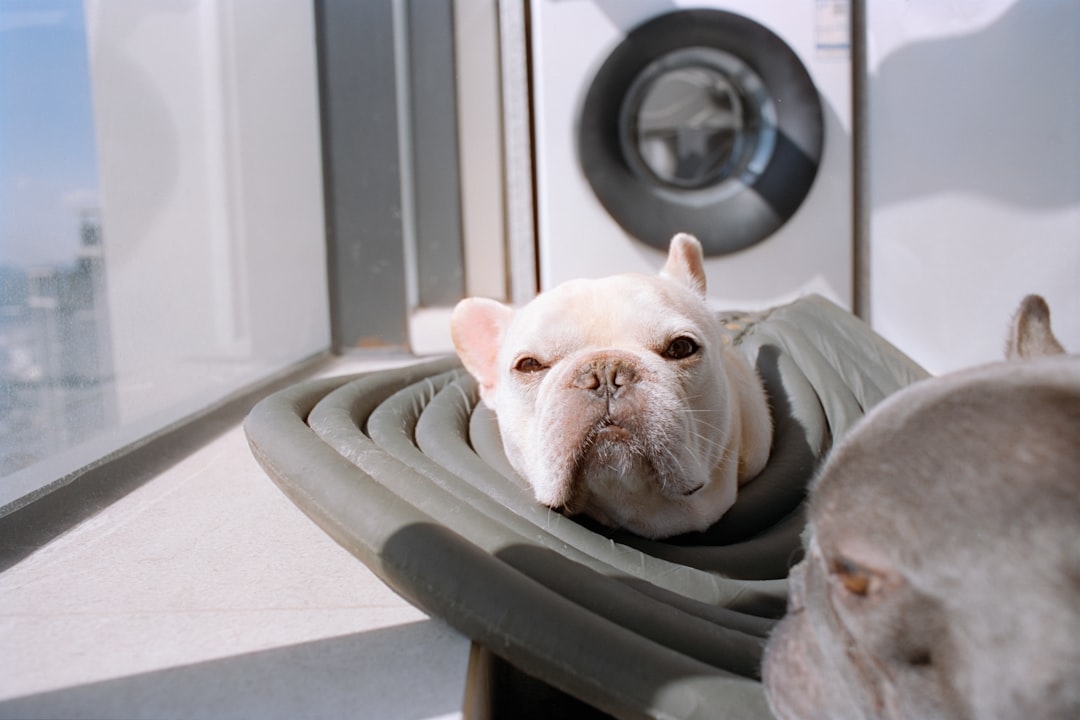
Overloading your machine increases hair shedding because clothes can’t agitate freely, and hair releases more readily. Wash dog bedding in normal loads (not overstuffed), ideally twice weekly rather than one large weekly load. Smaller, more frequent loads shed less hair per wash, spreading accumulation over more cycles and making maintenance easier.
Pre-washing and Lint Rolling
Before washing dog bedding, lint roll aggressively to remove loose hair. A single lint roll session removes 30-50% of loose hair before entering the machine. Cost: £1-2 per roll. You’ll use one roll per load of dog bedding, but preventing machine clogging is worth the cost.
Common Mistakes to Avoid
Using Regular Lint Traps (They Clog Faster)
Standard washing machine lint traps work for regular laundry but clog rapidly with dog hair. After one or two pet-bedding loads, they’re saturated and stop functioning. Specialised pet hair lint traps are designed differently and handle pet hair better. Don’t use standard traps for dog laundry.
Ignoring Smell Signals
If your machine smells musty or sour, hair is accumulating and rotting inside. Odour means the problem is already significant. Address it immediately before it worsens. Smell is your machine’s way of saying “clean me now.” Don’t ignore it for weeks.
Running Excessive Hot Cycles
While vinegar cycles help, running constant hot washes to manage pet hair isn’t sustainable and wastes energy. Instead, use the preventative methods (mesh bags, lint traps, pre-washing) to reduce hair entering the machine in the first place.
Delaying Drain Filter Cleaning
Pet owners should clean the drain filter every 2-4 weeks if washing dog bedding regularly. Many people ignore filters until the machine backs up or drains slowly. Regular maintenance takes 5 minutes and prevents crisis situations.
What the Pros Know: Appliance Technician Tips
Professional appliance technicians report that washing machine damage from pet hair is preventable with maintenance discipline. The most common machine failures they see in pet-owner households stem from clogged filters going unaddressed for months.
Their consensus: mesh laundry bags plus monthly filter cleaning prevents 90% of pet-hair-related machine issues. Dog owners who follow this routine rarely need professional cleaning. Those who ignore preventative maintenance often face expensive repairs.
Technicians also note that geographic location affects accumulation speed. Northern UK areas with harder water see faster mineral and lint buildup compounding pet hair issues. Installing a water softener (rough cost £400-800) helps but isn’t necessary if you maintain filters diligently.
Regional Differences: Northern vs. Southern UK
Water Hardness Impact
Hard water in northern areas accelerates mineral buildup alongside pet hair accumulation. This combination clogs filters faster. Northern pet owners should clean drain filters every 2 weeks rather than monthly. Southern areas with softer water see slower accumulation and can extend filter cleaning to every 4 weeks.
Space Constraints
Small apartments in city centres (London, Manchester, Edinburgh) make pet separation from laundry difficult. These residents benefit most from mesh laundry bags and lint traps since prevention is their primary option. Rural or suburban homes often have separate utility areas where pet bedding can be pre-washed separately, reducing mainline machine exposure.
Cost Breakdown: Prevention vs. Crisis Management
- Mesh laundry bags (one-time): £3-6 per bag
- Lint trap balls (one-time): £8-12 per set
- Monthly filter cleaning: Free (your time only)
- Vinegar deep clean cycles (quarterly): £1-2 per cycle
- Total annual prevention cost: roughly £20-50
Compare to crisis management:
- Professional deep cleaning: £80-150
- Machine repair for clogged pump: £150-300
- Emergency machine replacement: £400-800
Spending £50 annually on prevention prevents £150-800 in repairs. The ROI is extraordinary.
FAQ Section
How often should I clean my washing machine if I have a dog?
If washing dog bedding regularly, clean the drain filter every 2-4 weeks. Run a vinegar cycle monthly. Check the door seal (front-loaders) monthly for hair and mould. Use mesh bags and lint traps for every dog bedding wash. This maintenance schedule prevents serious accumulation.
Can dog hair damage my washing machine?
Yes, if accumulated severely. Clogged filters prevent drainage, causing water retention and strain on pump motors. Hair wrapped around spinning components can damage mechanical parts. Long-term neglect leads to mould growth and costly repairs. Prevention is far cheaper than repair.
What’s the best way to get dog hair out of a washing machine?
Run a hot vinegar cycle to loosen accumulated hair. Clean the accessible drain filter thoroughly. Wipe the door seal (front-loaders) with vinegar solution and a toothbrush. For severe accumulation, hire a professional for deep cleaning. Prevention (mesh bags, lint traps) stops most hair before it enters.
Do mesh laundry bags really prevent dog hair in the machine?
Yes, they catch 70-80% of loose hair before it enters the machine. Not 100%—fine hair still escapes—but dramatically reducing entry prevents serious accumulation. Combined with lint traps and regular filter cleaning, mesh bags make pet hair a manageable issue rather than a machine killer.
How to get dog hair out of the washing machine drum?
Hair inside the drum (between drum and outer tub) requires professional disassembly or specialised tools most home users don’t have. Prevention is far easier than removal once hair accumulates here. Use mesh bags and lint traps to prevent hair reaching the drum in the first place. If hair has already accumulated internally, professional cleaning (£80-150) is safest.
Managing how to get dog hair out of washing machine is absolutely solvable. Prevention through mesh bags and lint traps stops 80% of hair before it enters. Regular filter cleaning handles the rest. This simple system, maintained consistently, prevents the expensive damage that pet-owning households often face. Small apartments with limited space benefit most from these preventative strategies. Your washing machine will last longer, work better, and smell fresher when pet hair is managed proactively rather than reactively.