Contents:
- Understanding Thin Hair: Why Your Current Methods Aren’t Working
- The Right Haircut Makes All the Difference
- Cuts That Add Volume
- Colour and Dimension
- Drying Thin Hair: Your Most Powerful Styling Tool
- The Blow-Dry Foundation
- Creating Direction and Shape
- Styling Products: Less Is More, But Choose Wisely
- Volumising and Texturising Products
- What to Avoid
- Styling Techniques That Work for Thin Hair
- Creating Volume Without Heat Tools
- Curling Thin Hair for Maximum Impact
- Styling Fringe and Front Sections
- Common Mistakes to Avoid
- Sustainable and Eco-Friendly Styling Choices
- Specific Styling Ideas for Different Hair Lengths
- Short Thin Hair (Pixie to Chin-Length)
- Medium Thin Hair (Chin to Shoulder)
- Long Thin Hair (Past Shoulder)
- Building Your Styling Routine: Step-by-Step
- When to Seek Professional Help
- FAQ: Your Thin Hair Styling Questions Answered
- How often should I wash thin hair?
- Can I use heat tools on thin hair without damage?
- What’s the best product for volume in thin hair?
- Does cutting hair make it grow back thicker?
- Are there supplements or treatments that help with thin hair?
- Your Thin Hair Potential
Here’s a surprising fact: approximately 50 million people in the UK experience some form of hair thinning or fine hair texture, yet fewer than one-third have learned specific styling techniques to work with their hair type rather than against it. The difference between struggling with thin hair and making it look its absolute best often comes down to technique, not expensive treatments or haircuts.
Styling thin hair requires a different approach than working with thick or textured hair. Your hair has its own strengths—it’s often softer, takes colour beautifully, and responds well to the right products—but it demands a strategic mindset. The good news? Once you understand how thin hair behaves and what it responds to, you can achieve volume, texture, and movement that rivals any other hair type.
Understanding Thin Hair: Why Your Current Methods Aren’t Working
Before diving into solutions, it helps to understand what makes thin hair different. Thin hair isn’t simply hair that’s fine in texture—it can also refer to lower hair density, where you have fewer strands overall. Many people have a combination: fine hair texture plus lower density. This matters because styling approaches need to address both the individual strand (which is delicate) and the overall volume (which needs layering or clever techniques).
Thin hair is more susceptible to damage from heat, tension, and heavy products. A product that works brilliantly on thick hair might weigh down thin hair completely. This is where most people go wrong—they use the same techniques and products they see on social media or that work for friends with different hair types, then wonder why they don’t get results.
Your thin hair also sits differently when wet versus dry. When wet, thin hair clings to your scalp and looks even thinner. As it dries, volume can appear—but only if you use the right drying techniques. Understanding this drying process is crucial to styling thin hair effectively.
The Right Haircut Makes All the Difference
Before you master styling techniques, your cut needs to work with your hair, not against it. A good haircut is the foundation of easy styling, especially for thin hair.
Cuts That Add Volume
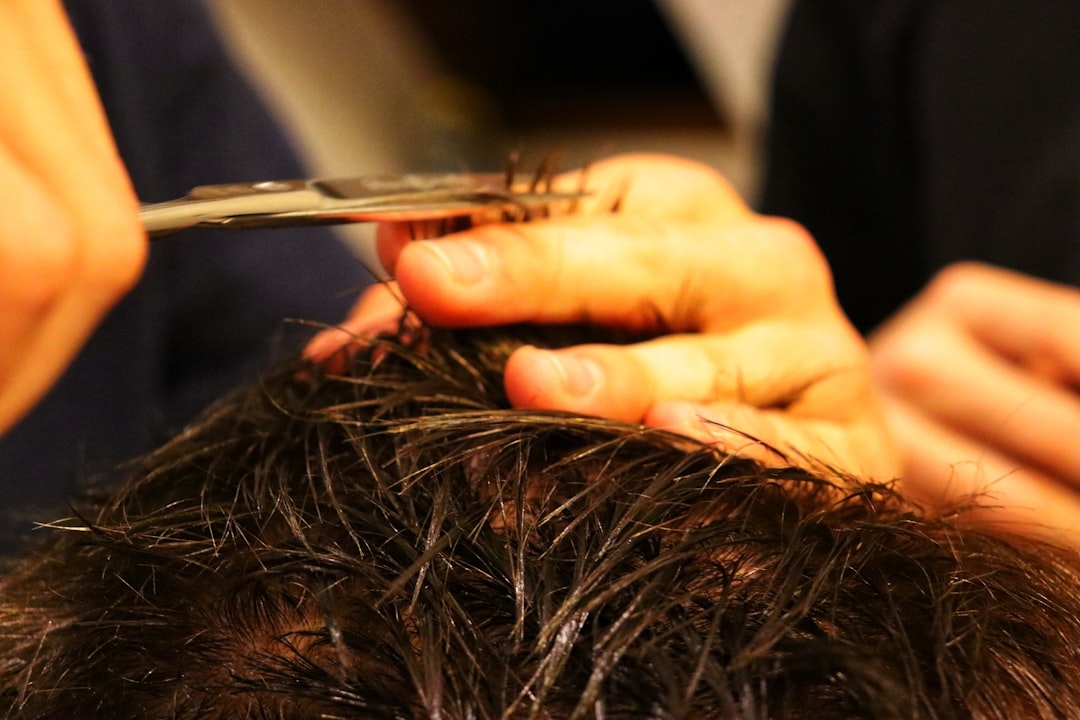
Ask your stylist for layers throughout your hair, particularly around the crown and face. Layers remove bulk and allow what hair you do have to move and create the illusion of density. Avoid blunt cuts that sit heavy, and skip long lengths if your hair is very fine—the weight of long hair stretches it down and makes thinness more obvious.
A textured crop or choppy shoulder-length cut often works brilliantly for thin hair. The movement in the cut itself creates dimension. For longer hair, ask for feathered layers or a shag-style cut that emphasises movement over length.
What the Pros Know: Professional stylists recommend a cut that’s personalised to your specific hair density and texture, not just your preferred style. A £60-80 cut at a salon experienced with fine or thin hair pays for itself in how much easier your daily styling becomes. You’ll spend less time fighting your hair and more time making it look good.
Colour and Dimension
Strategic colour can create the illusion of fuller hair. Subtle highlights or lowlights add dimension that makes hair look thicker, even if nothing physical has changed. The key is variation—single-tone colour sits flat on thin hair, but dimension creates the impression of depth and density.
Drying Thin Hair: Your Most Powerful Styling Tool
How you dry your thin hair is more important than what products you use. Most of the volume (or lack thereof) in thin hair is determined during the drying phase. Get this right, and styling becomes simple.
The Blow-Dry Foundation
Start with a microfibre towel or t-shirt to dry your hair instead of a regular towel. Regular towels create frizz and damage, which is especially problematic for fine strands. Squeeze gently—don’t rub. Your hair should be about 60-70% dry before you begin blow-drying.
Apply a volumising mousse or light styling spray to damp hair at the roots. This is your secret weapon. Mousse adds body without the weight of heavier products. Apply it specifically where you want volume: the crown, around the fringe area, and through the lengths if needed.
Using a blow dryer on medium heat (not high—high heat damages fine hair), dry your roots first. Point the nozzle downward and ruffle your roots with your fingers as you dry. This creates lift at the base, which is where all your volume comes from. Spend at least 2-3 minutes on this step alone.
Creating Direction and Shape
Once roots are mostly dry, use a round brush to create shape. A medium-sized brush (around 50-65mm diameter) works best for most thin hair lengths. Work section by section, curling hair around the brush and holding for a moment as you dry each section. This sets the shape and creates texture.
For maximum effect, let each section cool slightly before releasing from the brush. The cooling process locks in the shape. This is why your blow-dry lasts longer when you do this step compared to just air drying.
When you reach about 85% dryness, switch your blow dryer to cool shot and do a final pass, directing air downward. This seals the hair cuticle, reduces frizz, and boosts shine—all important for thin hair that can look dull if not handled properly.
Styling Products: Less Is More, But Choose Wisely
This is where thin hair styling differs most from other hair types. Heavy creams, oils, and waxes will flatten your hair instantly. You need lightweight products that add hold without weight.
Volumising and Texturising Products
A light volumising spray is your best friend. These come in aerosol or liquid form and add body without stiffness. Apply to damp roots before blow-drying, or use as a finishing product on dry hair to refresh volume. A 200ml bottle costs around £8-15 and lasts several months.
Dry texturising sprays (also called texturising powders or volumising powders) are game-changers for thin hair. These absorb oils and add grip, making hair look fuller and giving it texture to work with. Spray or sprinkle at the roots and through mid-lengths, then massage in. You’ll notice immediate volume increase. Brands like Batiste or Bumble and bumble offer quality options from £10-18 per can.
Light hairsprays designed for fine hair are essential. Look for ones labeled “weightless,” “fine hair,” or “volumising.” Avoid heavy-hold sprays meant for thick hair or complex styles. A good lightweight hairspray costs £6-12 and should hold your style all day without flaking or stiffness.
What to Avoid
Skip thick creams, pomades, and heavy serums. These are designed for thick or curly hair and will ruin thin hair volume. Also avoid products with silicones listed high in the ingredient list—silicones coat the hair and add weight, which flattens fine strands.
Be cautious with leave-in conditioners. If your thin hair tends toward dryness, a tiny amount (literally a few drops for shoulder-length hair) might work, but most thin-haired people find these too heavy. Focus on conditioning only the ends, not the roots.
Styling Techniques That Work for Thin Hair
Once you’ve got your foundation right (good cut, proper drying, light products), actual styling becomes straightforward.
Creating Volume Without Heat Tools
If you want to style your hair without daily heat exposure, braiding while damp is effective. A loose braid or twist set overnight creates texture and gentle waves that look fuller than straight hair. The key is loose—tight braids can stress thin hair and cause breakage.
Another technique: apply texturising spray to dry hair, then use your fingers to lift and separate sections, working from roots outward. This manual texturising takes 3-5 minutes and gives you control over where volume appears.
Curling Thin Hair for Maximum Impact
Curls and waves make thin hair look significantly fuller because the curl itself creates volume where straight hair falls flat. You have several options:
- Barrel curls with a medium curling iron: A 28-32mm barrel works best. Wrap sections around the iron and hold for 8-10 seconds (not longer—fine hair doesn’t need much heat). Let curls cool completely in your hand before releasing. This sets them properly.
- Velcro rollers while blow-drying: Section hair, wrap around medium velcro rollers as you blow-dry, then leave rollers in while hair cools. Remove gently. This technique is gentler than a curling iron and creates beautiful, lasting curls.
- Wand curling for texture: A tapered curling wand creates more lived-in, textured waves than a standard barrel. These suit thin hair well because the taper means varying curl sizes, which look more natural and fuller.

For any curling method: spray curls lightly with volumising spray while they’re still warm (before cooling). This helps set them and adds texture grip.
Styling Fringe and Front Sections
Thin hair around the face and fringe requires special attention. A side fringe or longer, layered fringe that blends into your hair works better than a blunt fringe, which emphasizes thinness. Style your fringe away from your face slightly—even a subtle angle looks fuller than hair lying completely flat.
Use a small round brush or even your fingers to create subtle movement in front sections. This area is seen most often, so the effort here has high impact on your overall look.
Common Mistakes to Avoid
Understanding what works is only half the battle. Knowing what to avoid prevents damage and wasted effort:
- Washing hair too frequently: Daily washing strips natural oils and stresses thin hair. Aim for every 2-3 days. On non-wash days, use dry shampoo to refresh volume and absorb oils.
- Using too much shampoo: A coin-sized amount is sufficient. More product doesn’t clean better; it just builds up and weighs hair down.
- Brushing wet hair aggressively: Wet hair is fragile. Use a wide-tooth comb gently, or better yet, style before hair fully dries and avoid combing altogether.
- Tight hairstyles regularly: Constant tension damages thin hair and can cause permanent hair loss (traction alopecia). Wear loose styles most of the time.
- Assuming all heat damage is permanent: It’s not—healthy new growth will always emerge from your scalp. Damaged hair eventually grows out and sheds naturally.
Sustainable and Eco-Friendly Styling Choices
Styling thin hair sustainably matters because you’re likely using products regularly and replacing them often. Choose refillable packaging where possible—several premium brands now offer refill stations or concentrated formats that reduce plastic waste.
Consider investing in quality heat tools with ionic technology. These cost more upfront (£40-80 for a good ionic blow dryer) but use less energy and cause less heat damage, meaning your hair stays healthier longer and you won’t need to replace tools as often.
Velcro rollers and a quality brush are sustainable alternatives to daily heat styling. These reusable tools have minimal environmental impact and often work better for thin hair anyway.
Specific Styling Ideas for Different Hair Lengths
Short Thin Hair (Pixie to Chin-Length)
Short styles can look fantastic on thin hair if they’re textured and layered. Style with mousse at the roots and a light texturising spray. Blow-dry with movement, using your fingers rather than a brush for more control. A textured, piecy look is more flattering than a smooth, sculpted style.
Medium Thin Hair (Chin to Shoulder)
This length offers flexibility. Add waves or curls for volume, or keep it straight with plenty of texture at the roots. Velcro rollers during blow-dry are particularly effective at this length. Layers around the face create movement.
Long Thin Hair (Past Shoulder)
Long hair shows thinness more obviously because length amplifies any lack of density. Focus on creating layers throughout, not just at the ends. Waves and curls are particularly effective—they create the illusion of thickness that straight long hair can’t achieve. A loose wave set with a 28mm wand, refreshed with texturising spray every few days, works beautifully.
Building Your Styling Routine: Step-by-Step
Here’s a realistic daily or alternate-day styling routine for thin hair:
- Dry hair 60-70% with microfibre towel. Avoid rubbing; squeeze instead.
- Apply volumising mousse to damp roots.
- Blow-dry roots upward for 3-4 minutes using medium heat and a vented brush or your fingers.
- Switch to a round brush and dry remaining hair, section by section, creating curl or wave.
- Cool shot on blow dryer as final step (about 1 minute).
- Apply texturising spray throughout, focusing on roots and mid-lengths.
- Optionally curl with a barrel or wand (5-7 minutes) or use fingers to separate and shape.
- Final light hairspray if needed.
Total time: 15-25 minutes depending on length and whether you use heat tools. This becomes quicker and more automatic with practice.
When to Seek Professional Help
If your hair thinning is sudden, severe, or accompanied by scalp issues, see your GP. Thinning can sometimes indicate nutritional deficiencies or medical conditions worth investigating.
For styling specifically, a consultation with a stylist experienced in thin hair is worth the investment. They can recommend a cut personalised to your specific hair density and face shape, and show you styling techniques suited to your hair in person. Many salons offer styling consultations (usually £20-40, sometimes credited toward a service) where they teach you their techniques.
FAQ: Your Thin Hair Styling Questions Answered
How often should I wash thin hair?
Every 2-3 days is ideal for most thin hair. More frequent washing strips natural oils, which thin hair relies on for shine and protection. Use dry shampoo on days between washes to refresh roots and absorb excess oil without the stress of water.
Can I use heat tools on thin hair without damage?
Yes, with precautions. Use medium rather than high heat, apply a heat protectant spray first, and avoid daily styling. Two to four times weekly is reasonable; more frequent heat styling compounds damage. Quality tools with ionic technology cause less damage than budget options.
What’s the best product for volume in thin hair?
Volumising mousse applied to damp roots before blow-drying has the biggest impact. For finishing, a light texturising spray or volumising powder adds texture and grip. Avoid heavy creams or serums entirely.
Does cutting hair make it grow back thicker?
No—hair thickness is determined by genetics and hair health, not cutting frequency. However, regular trims (every 6-8 weeks) keep hair looking healthier and fuller by removing damaged ends, which makes existing hair appear thicker.
Are there supplements or treatments that help with thin hair?
Hair health depends on overall nutrition, particularly iron, vitamin D, and protein. If you’re deficient in these, supplementing may help—but only if deficiency is the cause of thinning. Biotin supplements are popular but lack strong scientific evidence for effectiveness in people with adequate nutrition. Speak to your GP about blood tests if you suspect nutritional deficiencies.
Your Thin Hair Potential
Styling thin hair successfully isn’t about fighting your hair type or pretending to have different hair. It’s about understanding how your hair behaves, using techniques that work with that behaviour, and choosing products and tools that enhance rather than overwhelm your natural texture. The styling routine that works for you will feel effortless once established—much easier than forcing techniques designed for other hair types.
Start with the foundation: a good cut and proper drying technique. These two elements alone will improve your styling results more than any product. From there, add texturising and volumising products that work for your specific hair, and experiment with the styling techniques described here. Your thin hair has real potential for volume, movement, and visual density once you’ve cracked the code for your specific hair.