Contents:
- Why Choose Natural Curling Methods?
- How to Curl Your Hair Naturally: The Banding Method
- What You’ll Need
- Step-by-Step Banding Process
- Pincurl Curling for Vintage Waves
- How Pincurls Work
- The Pincurl Technique
- Twist-Setting for Defined Spirals
- The Twist Method
- The Flexi-Rod Alternative
- Sock Curls for Loose, Bouncy Waves
- How to Use Socks for Curls
- Prep Work: Making Your Curls Last Longer
- Moisture Matters
- Sectioning Strategy
- Product Selection
- Seasonal Timing: When to Curl Your Hair Naturally
- Troubleshooting: Common Issues and Solutions
- Curls Won’t Hold
- Curls Are Too Tight or Frizzy
- One Side Curls Better Than the Other
- Curls Drop Within 24 Hours
- Maintaining Your Curls Throughout the Week
- Special Consideration: Curling Different Hair Types
- Fine, Straight Hair
- Medium, Wavy Hair
- Thick, Coarse Hair
- Curly or Textured Hair
- Space-Saving Tips for Small Flats
- Frequently Asked Questions
- How long do natural curls last on average?
- Can you use natural curling methods on dry hair?
- Which method works fastest?
- Do I need to deep condition before using natural curling methods?
- Can these methods work on very short hair?
- Is there a way to speed up the curling process?
- Next Steps: Your Natural Curling Journey
Tired of damaging your hair with heated styling tools, only to watch the curls drop by lunchtime? There’s a better way—and it works brilliantly in even the tiniest bathroom or studio flat.
The truth is, gorgeous curls don’t require expensive equipment or hours at a salon. Your hair already has the potential to curl beautifully; sometimes it just needs the right encouragement. Whether your hair is naturally wavy or completely straight, learning how to curl your hair naturally opens up a world of styling freedom that’s gentler on your strands and kinder to your wallet.
Why Choose Natural Curling Methods?
Before diving into techniques, let’s talk about why natural curling deserves your attention. Heat damage from blow dryers, straighteners, and curling irons accumulates over time. Studies show that repeated heat exposure breaks down the protein structure in your hair, leading to brittleness, frizz, and split ends that can take months to grow out.
Natural curling methods offer several concrete advantages. You’ll spend zero pounds on specialist tools (a major win for tight budgets), reduce your environmental footprint by cutting energy consumption, and give your hair a genuine break from thermal stress. The curls you create this way also tend to last longer because they’re formed by moisture absorption rather than temporary heat setting.
For anyone living in a compact space—a studio, small flat, or shared accommodation—natural methods are particularly brilliant. You won’t need dedicated counter space for heat tools, and most techniques require just items you already have at home.
How to Curl Your Hair Naturally: The Banding Method
The banding method is one of the most effective no-heat curling techniques, delivering consistent waves or curls throughout your hair. This approach works on all hair types, from fine and straight to thick and coarse.
What You’ll Need
- Small elastics or cloth bands (old t-shirt strips work perfectly—a sustainable choice)
- A spray bottle with water
- Light leave-in conditioner or curl cream
- A wide-tooth comb
Step-by-Step Banding Process
- Start with damp hair. Wash your hair or dampen it thoroughly with the spray bottle. Your hair should be wet enough to hold a style but not dripping. This moisture is crucial—it’s what sets your curl pattern.
- Apply curl product. Distribute a leave-in conditioner or curl cream through damp hair using your wide-tooth comb. Work from roots to tips, ensuring even coverage. Use approximately 15-20ml for shoulder-length hair.
- Section your hair. Divide your hair into 6-12 sections depending on thickness and desired tightness. Larger sections create loose waves; smaller sections produce tighter curls.
- Band each section. Take one section and smooth it upward toward the scalp. Wrap a small elastic or cloth band around the base of your section, then fold the hair back down over the band. This creates a loop. Secure the end of the loop with another band, positioning it about 2-3 cm from the tip.
- Repeat throughout. Continue banding until your entire head is covered. You should look rather unusual at this point—that’s exactly right.
- Allow to set. Leave the bands in for at least 4-6 hours, though overnight (8-12 hours) produces better, longer-lasting curls. April weather in the UK tends toward damp conditions; if you’re applying this in spring, the natural humidity actually works in your favour.
- Carefully remove bands. Gently slide each band down and off without pulling your hair. Work slowly to avoid disrupting your curl pattern.
- Style and set. Finger-comb the curls gently or use a pick for extra volume. Optional: spritz with a light hairspray to lock in your style (use a bottle that’s already in your home to avoid extra purchases).
Banding typically lasts 3-5 days depending on your hair type and how much you touch it. Fine hair might relax sooner, while coarser textures hold the pattern longer.
Pincurl Curling for Vintage Waves
If you’re after soft, romantic waves rather than defined curls, pincurls are your answer. This classic technique requires nothing but bobby pins and time—making it ideal for small-space living.
How Pincurls Work
Pincurls involve rolling damp hair around your finger to create a loop, securing it flat against the scalp with a bobby pin, then allowing it to dry completely. The tighter your roll, the tighter your curl; loose rolls create waves.
The Pincurl Technique
- Prepare damp hair. Apply a lightweight styling product (mousse works brilliantly for this) to damp hair. Section your hair into small squares, roughly 2.5cm × 2.5cm.
- Roll the curl. Take one section and wrap it around your index finger, starting at the end and rolling upward toward the scalp.
- Secure with pins. Slide the loop off your finger and flatten it against your head. Use 1-2 bobby pins to secure it in place. Pin the curl in a way that creates the direction you want—pin at the bottom for forward curls, at the side for waves.
- Set and dry. Leave pincurls in place for 6-8 hours minimum. For overnight styling, pincurls are genuinely comfortable despite initial scepticism. Your head rests on a pillow, and the pins don’t create pressure.
- Release and style. Unpin gently and finger-comb the curls. The waves will be soft and elegant, perfect for every occasion.
Pincurls produce waves that last 2-4 days. They’re particularly brilliant for anyone with finer hair, as the technique distributes tension evenly across the scalp rather than concentrating it in bands.
Twist-Setting for Defined Spirals
Twist-setting is the fastest natural curling method and produces tighter, more defined curls than banding alone. Many people combine it with other methods for maximum impact.
The Twist Method
- Apply product to damp hair. Use a curl cream or gel. Gels hold tighter, so choose based on desired definition.
- Twist each section. Take a 2-3cm wide section and twist it tightly from root to tip, as if wrapping it around itself. The tighter the twist, the tighter the eventual curl.
- Pin or band the twist. Fold the twisted section into a circle against your scalp and secure with a clip or band. This prevents it from unravelling while it sets.
- Dry and set. Leave overnight (or 6-8 hours minimum). Twists dry faster than some other methods because the coil shape allows air circulation.
- Untwist carefully. Release the pin and gently untwist the curl. You’ll have a tight, springy curl that holds beautifully.
Twist curls typically last 4-6 days, making them one of the longer-lasting natural methods. They’re perfect if you’re looking for more pronounced, eye-catching curls rather than subtle waves.
The Flexi-Rod Alternative
If you already own flexi-rods (those soft foam rollers), you can achieve excellent results without heat. Many people have these tucked away from a previous styling phase, making them a free option.
Flexi-rods work by rolling damp, product-treated hair around the rod and securing the ends. Leave them in for 6-8 hours or overnight. Larger rods (25-30mm) create waves, while smaller rods (10-15mm) produce tight curls. The advantage here is even heat distribution if you decide to speed-dry with a blow dryer later, though air-drying works perfectly fine too.
Sock Curls for Loose, Bouncy Waves
Sock curls are perhaps the most budget-conscious curling method imaginable. You’ll need old socks you no longer wear—a genuinely zero-waste approach that aligns beautifully with sustainable beauty practices.
How to Use Socks for Curls
- Prepare socks. Cut old socks into long strips roughly 2.5cm wide and 15cm long. You’ll need roughly 8-12 strips depending on hair thickness.
- Section damp hair. Apply curl product and divide your hair into sections matching the number of sock strips you’ve prepared.
- Roll around the sock. Take one section and roll it upward around the sock strip, from tip toward scalp. Tie the sock ends together at the top of your head to secure the curl.
- Sleep and wait. Leave overnight (8-10 hours). Sock curls are remarkably comfortable—socks are softer than most hair clips, and you’ll barely notice them while sleeping.
- Unroll gently. Untie the sock knots and carefully unroll each curl. You’ll have soft, bouncy waves.
This method works beautifully for loose waves and is genuinely kind to your hair. The sock material distributes pressure evenly and causes minimal stress to strands.
Prep Work: Making Your Curls Last Longer
The foundation of any successful curl is proper preparation. Three specific elements make a genuine difference to longevity and definition:
Moisture Matters
Curls are formed by moisture absorption in your hair’s cortex. If your hair is already dry, it won’t curl effectively. Deep condition your hair 2-3 times per week for the week before you plan to curl it. This hydration primes your hair to accept and hold a curl pattern. Aim for products containing glycerin or humectants—these attract and hold moisture in the hair shaft.
Sectioning Strategy
Never skip this step. Properly sectioned hair curls more evenly because each section receives equal product and tension. For shoulder-length hair, divide into at least 8 sections. For longer hair, increase to 12 or even 16 sections. Use duck-bill clips to keep sections separate—they cost around £2-4 per pack and are endlessly useful.
Product Selection
Not all styling products work equally for natural curling. Creams and leave-in conditioners offer control without crunchiness. Gels provide stronger hold but can feel stiff if you’re not careful with quantity. Mousses offer medium hold and light feel. For first attempts, use a cream—it’s forgiving and produces soft, natural-looking curls.
Seasonal Timing: When to Curl Your Hair Naturally
The UK climate significantly impacts how your natural curls form and last. Understanding seasonal patterns helps you plan styling around weather conditions:
Winter (December-February): Central heating creates dry indoor air, which can fight your curl efforts. Compensate by deep conditioning more frequently and using slightly heavier products. However, the cool outdoor air preserves curls beautifully once they’re set. Winter curls can last an extra day compared to other seasons.
Spring (March-May): April and May bring increased humidity—your natural advantage. Curls form faster and last longer in damp air. This is genuinely the best season for natural curling, as moisture in the air supports your curl pattern. You might achieve 5-6 day hold with the same method that only lasts 3-4 days in autumn.
Summer (June-August): Heat and humidity are high, which can cause frizz and disrupt curl pattern. Use anti-frizz products and avoid touching your curls excessively. Curls may loosen slightly faster than in spring due to sweat and activity, but they’ll be voluminous and pronounced.
Autumn (September-November): Dry conditions return as heating systems switch on. Your curls will last 3-4 days typically. Increase moisture-rich products and consider more frequent styling to maintain definition throughout the season.
Troubleshooting: Common Issues and Solutions
Curls Won’t Hold
Likely causes: insufficient product, hair not damp enough, or not enough setting time. Solution: Use more product than feels necessary (you can always wash it out), ensure hair is genuinely damp (not just moist), and leave curling methods in place for at least 6 hours. Hair needs adequate time for moisture to redistribute and set the new pattern.
Curls Are Too Tight or Frizzy
This typically means you’ve used too much gel or applied it unevenly. Solution: Use cream instead of gel, apply product section-by-section to ensure even coverage, and consider looser sectioning (larger sections produce looser curls).
One Side Curls Better Than the Other
Uneven product application or tension is the culprit. Solution: Double-check that you’ve applied product through every section and that bands or pins are equally snug throughout. Sleeping position might also affect results—try to vary which side you sleep on.
Curls Drop Within 24 Hours
Your hair might be too oily (product buildup) or lacks enough moisture to hold the pattern. Solution: Clarify your hair with a chelating shampoo once monthly to remove buildup, and increase deep conditioning treatments. Also increase setting time—what works for others might need 8-10 hours for your specific hair type.
Maintaining Your Curls Throughout the Week
Once you’ve created your curls, a few simple steps extend their life significantly:
- Sleep strategically. Pineapple your curls (gather them on top of your head in a loose ponytail) or sleep on a silk pillowcase. This prevents flattening and reduces friction damage.
- Minimize handling. Every time you touch your curls, you disrupt the curl pattern slightly. Resist the urge to comb them out unless necessary.
- Refresh with moisture. On day 2-3, spritz curls lightly with water and reapply a small amount of styling cream. This reactivates the curl pattern beautifully.
- Avoid humidity battles. An anti-frizz serum or light oil keeps flyaways under control without weighing curls down. Apply sparingly to mid-lengths and ends.
- Evening refresh. If curls look sad by day 3, braid your hair overnight—it softens the curl but adds gentle waves, creating an entirely new look.
Special Consideration: Curling Different Hair Types
Fine, Straight Hair
Fine hair requires lighter products to avoid appearing weighed down. Use a mousse or lightweight cream rather than heavy gels. Pincurls and sock curls work particularly well because they distribute tension evenly. You might need slightly shorter setting times—6-8 hours often suffices instead of overnight.
Medium, Wavy Hair
This hair type is genuinely forgiving. Most methods work brilliantly. You have freedom to experiment with product weights and setting times. Banding and twisting produce beautiful results.
Thick, Coarse Hair
Thick hair needs adequate product throughout and longer setting time. Don’t skimp on product—use 20-25ml for shoulder-length hair. Opt for setting times of 8-12 hours to allow moisture to penetrate fully. Banding and twisting excel with this hair type because they create defined, lasting curls.
Curly or Textured Hair
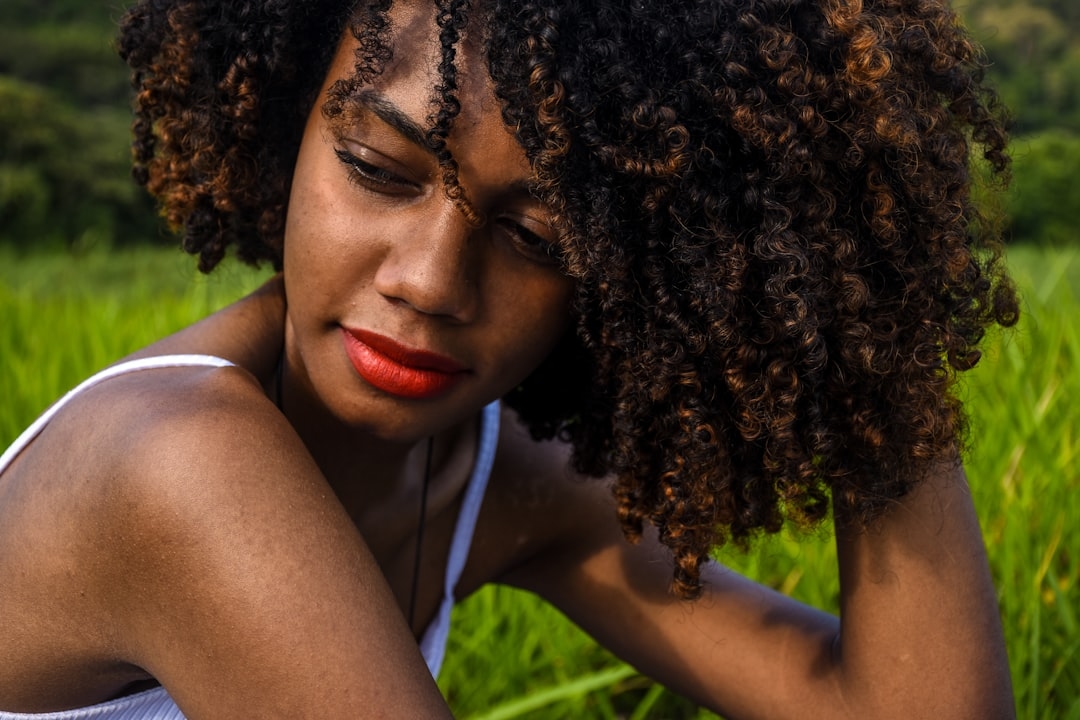
If your hair is naturally curly, natural curling methods enhance your existing pattern rather than create new curls from scratch. You might be looking to define curls more sharply or change curl direction. Use the same methods but with shorter setting times (4-6 hours often suffices). Creams work better than gels to enhance rather than stiffen your natural texture.
Space-Saving Tips for Small Flats
Living in a compact space doesn’t limit your styling options:
- Store supplies vertically. Use a small cup or jar to hold bobby pins and bands. Hang flexi-rods on a small hook inside a cupboard.
- Multitask items. Old socks and t-shirt scraps serve double duty—your curling tools and household waste reduction. Store these in a small zip-lock bag.
- Minimize counter space needed. All the methods in this guide require just a spray bottle and comb. Both fit easily in a small cupboard between uses.
- Use mirrors strategically. If your bathroom is tiny, a small handheld mirror angled toward natural light works perfectly for sectioning and checking curl progress.
Frequently Asked Questions
How long do natural curls last on average?
Most natural curling methods last 3-5 days depending on hair type, climate, and how much you handle your hair. Fine hair typically releases curls sooner (2-4 days), while thick or coarse hair maintains curls longer (4-6 days). Spring weather in the UK, with higher humidity, can extend hold by 1-2 days.
Can you use natural curling methods on dry hair?
No. Natural curling relies on moisture absorption to set the curl pattern. Dry hair won’t curl effectively using these methods. Always begin with damp hair and apply moisture-rich products. Attempting these methods on dry hair wastes time and products.
Which method works fastest?
Twist-setting is the quickest method, typically requiring only 4-6 hours to set. Banding, pincurls, and sock curls need 6-8 hours minimum. For best results on all methods, overnight setting (8-12 hours) produces superior curl definition and longevity.
Do I need to deep condition before using natural curling methods?
Yes, deep conditioning 1-2 times weekly for a week prior to curling significantly improves results. Hydrated hair accepts curl pattern more readily and maintains it longer. Skip this step and your curls might release within 24 hours.
Can these methods work on very short hair?
Some methods work better than others on short hair. Pincurls excel on short cuts, creating soft waves. Banding requires minimum 5-7cm length to form effective loops. Twisting works on any length. Sock curls need adequate length to roll around. Experiment with pincurls first if your hair is shorter than shoulder-length.
Is there a way to speed up the curling process?
Traditional natural methods require time for moisture to set the pattern. However, if you already have curls formed using one method, you can occasionally use a cool setting on a blow dryer to speed-dry them (never hot air—that defeats the no-heat purpose). Alternatively, increase product quantity slightly, which can shorten setting time by 1-2 hours in some cases.
Next Steps: Your Natural Curling Journey
You now have five reliable methods for creating beautiful curls without heat damage or expensive equipment. Start with one technique—banding is genuinely the easiest for first-time success—and practise it twice before moving to another method.
Document what works by jotting quick notes: how long you left curls in, which product you used, what the weather was like, and how long the curls lasted. This personal record becomes invaluable as you refine your technique.
Natural curling is genuinely more sustainable, more budget-friendly, and less damaging than heat styling. Your hair will thank you with improved texture, reduced breakage, and healthier shine. Start experimenting this week—April weather provides ideal humid conditions for curl formation. You might discover that your hair’s natural potential far exceeds what heated tools ever achieved.