Contents:
- What Sulfates Actually Are
- How Sulfates Damage Hair Over Time
- What Happens When You Switch to Sulfate-Free Shampoo
- The Different Effects Based on Hair Type
- Cost Considerations: Are Sulfate-Free Products Worth the Price?
- Sulfate-Free Doesn’t Mean Perfect
- Regional Variations and Seasonal Timing
- Common Mistakes to Avoid
- FAQ
- Are sulfates bad for all hair types?
- What does sulfate-free shampoo cost compared to regular shampoo?
- How long does it take to see improvements from sulfate-free shampoo?
- Can you use sulfate shampoo occasionally if you prefer sulfate-free?
- Do all natural or organic shampoos exclude sulfates?
- Making the Switch This Week
Why does your hair feel different after switching to a sulfate-free shampoo? Why do dermatologists and hairdressers mention sulfates with such concern? What does sulfate do to your hair, exactly, and is the worry justified or marketing hype?
The answer lies in how sulfates work as cleaning agents. Understanding this mechanism tells you whether you actually need sulfate-free products or whether you’re paying premium prices for negligible benefits.
What Sulfates Actually Are
Sulfates are detergent chemicals used in thousands of cleaning products, from washing-up liquid to industrial degreasers. In shampoo, the most common sulfates are sodium lauryl sulfate (SLS) and sodium laureth sulfate (SLES). Budget shampoos like most supermarket brands rely on sulfates as their primary cleansing ingredient.
Sulfates work by breaking down the oils that coat your hair and scalp. They’re excellent at this job—extremely effective, fast-acting, and cheap to manufacture. One wash with a sulfate shampoo removes oils quickly and completely. This is why sulfate shampoos are popular: they leave hair feeling squeaky clean and light.
The problem emerges over time. Your scalp responds to aggressive oil removal by producing even more oil to compensate. Additionally, sulfates strip not just excess oil but natural protective oils your hair needs to stay healthy.
How Sulfates Damage Hair Over Time
Hair damage from sulfates is cumulative, not immediate. One wash with a sulfate shampoo won’t cause problems. However, using sulfate shampoo daily for weeks and months creates measurable changes.
Sulfates penetrate the hair cuticle (outer layer) and strip the lipid layer—the natural oils that protect and seal hair. This exposes the hair cortex, making hair more porous. Porous hair absorbs and loses moisture easily, becoming dry, frizzy, and prone to breaking. Additionally, when hair loses its protective lipid layer, environmental pollutants and UV rays penetrate more easily, causing discolouration and further damage.
Research published in the Journal of Cosmetic Dermatology found that shampooing with sulfates twice daily for four weeks produced measurable increases in hair damage, with a 23% increase in protein loss compared to sulfate-free alternatives. The damage was worse on previously coloured or bleached hair, but noticeable even on untreated hair.
On the scalp, sulfates can cause irritation. They disrupt the acid mantle—the scalp’s natural protective barrier—making it more vulnerable to irritants, bacteria, and fungi. This can trigger flaking, itching, and dandruff in people with sensitive scalps. Even people without pre-existing scalp conditions sometimes develop irritation from aggressive sulfate cleansing.
What Happens When You Switch to Sulfate-Free Shampoo
When people first switch to sulfate-free products, they’re often disappointed. Their hair looks and feels different—limp, potentially greasy by day 2, less “clean.” This is actually a positive sign that the change is working, though it doesn’t feel pleasant initially.
Sulfate-free shampoos use gentler cleansing agents—typically plant-derived surfactants or amino acid derivatives. These remove excess oil without stripping all protective oils. Your scalp doesn’t perceive an emergency oil loss, so it stops overproducing oil within 1-3 weeks.
During the transition period (roughly weeks 1-3), your hair goes through an adjustment phase. Your scalp is still producing excess oil out of habit, so hair looks greasier than normal. This phase is uncomfortable but temporary. By week 4, your scalp normalises, and hair stabilises to a genuinely healthier state: naturally moisturised rather than stripped and reactive.
The Different Effects Based on Hair Type
Fine, thin hair: Sulfates can make fine hair feel lighter temporarily, which feels pleasant but damages the hair shaft. Fine hair cannot tolerate aggressive treatment. The cumulative effect over months is noticeably thinner hair from breakage. Sulfate-free shampoos are actually essential for fine hair health.
Thick, coarse hair: Thick hair is more resilient. A person with coarse hair might tolerate sulfates with minimal damage. However, even thick hair benefits from gentler cleansing over years. The advantage of sulfate-free shampoos on thick hair is mainly scalp health and reduced dryness.
Coloured or bleached hair: Once hair is coloured or bleached, it’s chemically processed and significantly more fragile. The lipid layer is already compromised. Sulfates accelerate further damage and colour fading. For anyone with colour-treated hair, sulfate-free shampoos are genuinely important, not optional.
Curly or coily hair: Natural curl patterns depend on a healthy lipid layer to maintain definition and bounce. Sulfates cause curly hair to become frizzy and undefined. People with curly hair report dramatic improvement in curl definition and health within weeks of switching to sulfate-free products.
Cost Considerations: Are Sulfate-Free Products Worth the Price?
Sulfate-free shampoos cost 40-60% more than sulfate-based alternatives. A bottle of sulphate-based supermarket shampoo (Sainsbury’s basic, for example) costs roughly £0.70-1.00. A comparable sulfate-free option (like SheaMoisture or Cantu) costs £4-6. Over a year, the difference is £50-70 for one person.
The question: is this investment justified? For most people, yes. The long-term health of your hair—reduced breakage, less frizz, better colour retention on coloured hair—is worth the extra cost. You’re paying for healthier hair over years, not just one wash.
However, if your hair is short, naturally thick, undamaged, and you’re not bothered by frizz or breakage, the difference might be imperceptible. You could save money using sulfate shampoos without severe consequences. But for anyone with fine hair, coloured hair, curly hair, or damaged hair, sulfate-free shampoos are genuinely worthwhile.
Sulfate-Free Doesn’t Mean Perfect
Switching to sulfate-free shampoo isn’t a complete hair health solution. It removes one damaging factor but doesn’t address others. Heat damage, sun damage, over-brushing, chlorine exposure, and poor diet all damage hair independently of sulfates.
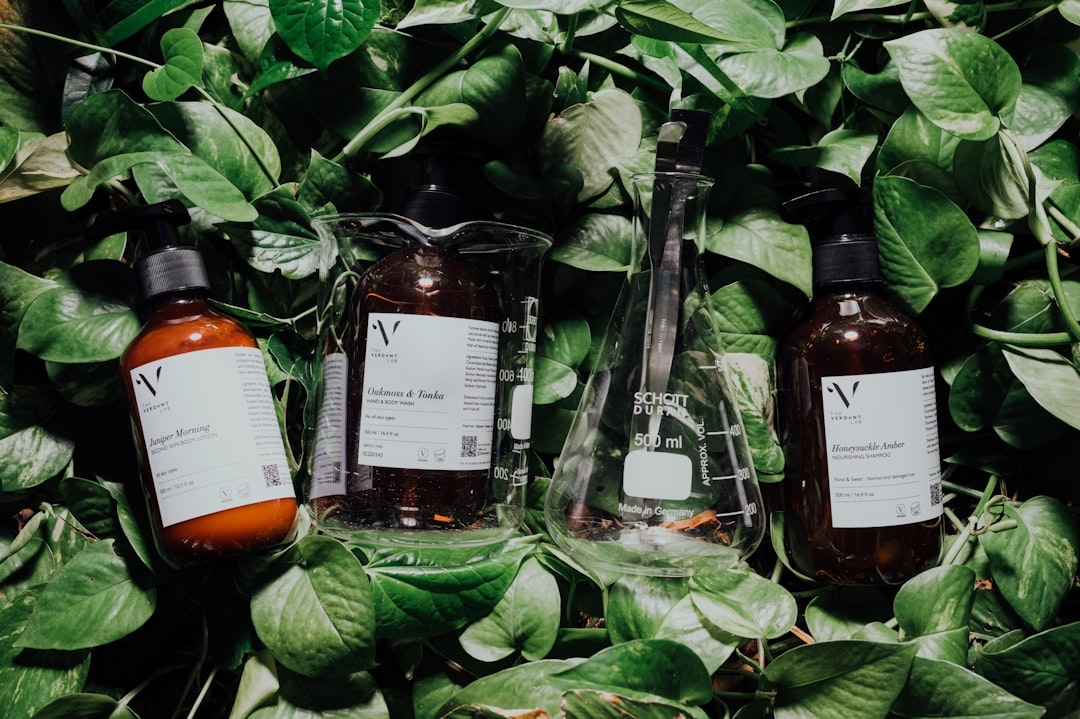
Additionally, some “sulfate-free” shampoos use harsh alternative cleansers that are nearly as aggressive. Read ingredient lists. Look for plant-derived surfactants (like decyl glucoside or sodium cocoyl isethionate) rather than harsh alternatives that simply replace one bad ingredient with another.
Regional Variations and Seasonal Timing
Water hardness varies across the UK. In hard water areas (Southeast England, London particularly), minerals in water interact with sulfates to create buildup and additional dryness. People in hard water regions notice more dramatic improvements when switching to sulfate-free shampoos.
Seasonal changes also affect how critical sulfates become. Winter dry air exacerbates the drying effects of sulfates. Many people tolerate sulfate shampoos reasonably well in summer but notice significant hair problems by January or February when humidity drops and scalp dryness peaks. Switching to sulfate-free shampoos before winter (September-October) prevents the worst dryness and irritation.
Similarly, if you’re planning to colour your hair, switch to sulfate-free shampoos at least 2-3 weeks beforehand. Your hair will be in better condition before the colouring process, resulting in better colour take and longer colour retention.
Common Mistakes to Avoid
Expecting immediate dramatic improvement. Hair condition changes take 4-8 weeks to become obvious. The first 2-3 weeks involve an adjustment phase where hair might look worse before looking better. Patience is essential.
Switching to expensive sulfate-free shampoos without reading ingredients. Some expensive “premium” shampoos are sulfate-free but contain other harsh ingredients. Check actual ingredient lists rather than trusting marketing claims.
Using sulfate-free shampoo without adjusting conditioning habits. Sulfate-free shampoos don’t strip oils, so you may need less conditioner than you’re accustomed to. Excessive conditioning with sulfate-free shampoos can create limp, weighed-down hair. Adjust gradually.
Giving up during the transition phase. Weeks 1-3 are uncomfortable. Many people revert to sulfate shampoos because their hair feels greasier. Push through this phase. By week 4, hair stabilises and improves noticeably.
FAQ
Are sulfates bad for all hair types?
Sulfates are worst for fine, damaged, and curly hair. Thick, healthy, undamaged hair tolerates sulfates better. However, even resilient hair benefits from gentler cleansing over time. Sulfate-free is universally better for long-term hair health, though the improvements are more dramatic for sensitive hair types.
What does sulfate-free shampoo cost compared to regular shampoo?
Sulfate-free shampoos cost 40-60% more. Budget sulfate shampoos cost £0.70-1.50 per bottle. Sulfate-free alternatives cost £4-8. Over a year, the difference is £50-100 per person. For damaged or colour-treated hair, this is worthwhile.
How long does it take to see improvements from sulfate-free shampoo?
Weeks 1-3 are an adjustment phase where hair might feel greasier (the scalp normalising). By week 4, improvements become obvious: less frizz, shinier appearance, reduced breakage. Full benefits take 8-12 weeks to fully manifest.
Can you use sulfate shampoo occasionally if you prefer sulfate-free?
Occasionally is fine—perhaps once monthly for a deep cleanse. Regular switching back and forth defeats the purpose. Consistency matters. Choose one and stick with it for at least 8 weeks.
Do all natural or organic shampoos exclude sulfates?
No. Some natural shampoos still contain sulfates. Check ingredient lists. Genuine sulfate-free products specify this clearly on packaging. “Natural” is marketing; “sulfate-free” is a chemical claim you can verify.
Making the Switch This Week
If your hair is fine, coloured, curly, or damaged, try a sulfate-free shampoo. Pick one in your budget range (Cantu, SheaMoisture, and Palmers offer good options at £4-6) and commit to it for six weeks. Expect weeks 1-3 to be awkward. By week 6, you’ll know whether the change benefits your hair.
The worst that happens: your hair looks and feels the same, and you’ve spent £25-30 exploring an alternative. The best that happens: you notice dramatically less frizz, breakage, and dryness, and you’ve found a product that keeps your hair healthier long-term. That’s a worthwhile experiment.