Contents:
- Understanding Hair Waves and Why They’re Worth Your Effort
- Heat-Based Methods for Waving Hair
- Using a Curling Iron or Waving Iron
- Creating Waves with Hot Rollers
- Non-Heat Methods for Lasting Waves
- Overnight Braiding Technique
- Pin Curl Method
- Common Mistakes to Avoid
- Product Recommendations for UK Buyers
- Adapting Techniques for Different Hair Types
- Fine Hair
- Thick Hair
- Curly or Textured Hair
- Damaged or Processed Hair
- Maintaining Waves Between Styling Sessions
- Frequently Asked Questions
- How often can I safely use heat to wave my hair?
- Can I wave very short hair?
- What’s the difference between waves and curls?
- Do non-heat methods work on straight hair?
- How much does professional wave styling cost in the UK?
- Creating Your Personal Wave-Styling Routine
Quick Answer
The most effective methods to wave hair are heat-based (curling irons, waving irons, or hot rollers) and non-heat options (braiding, pin curls, or sea salt spray). Choose based on your hair type and how long you want the waves to last. Most heat methods take 15-30 minutes; non-heat methods work overnight or over several hours.
Understanding Hair Waves and Why They’re Worth Your Effort
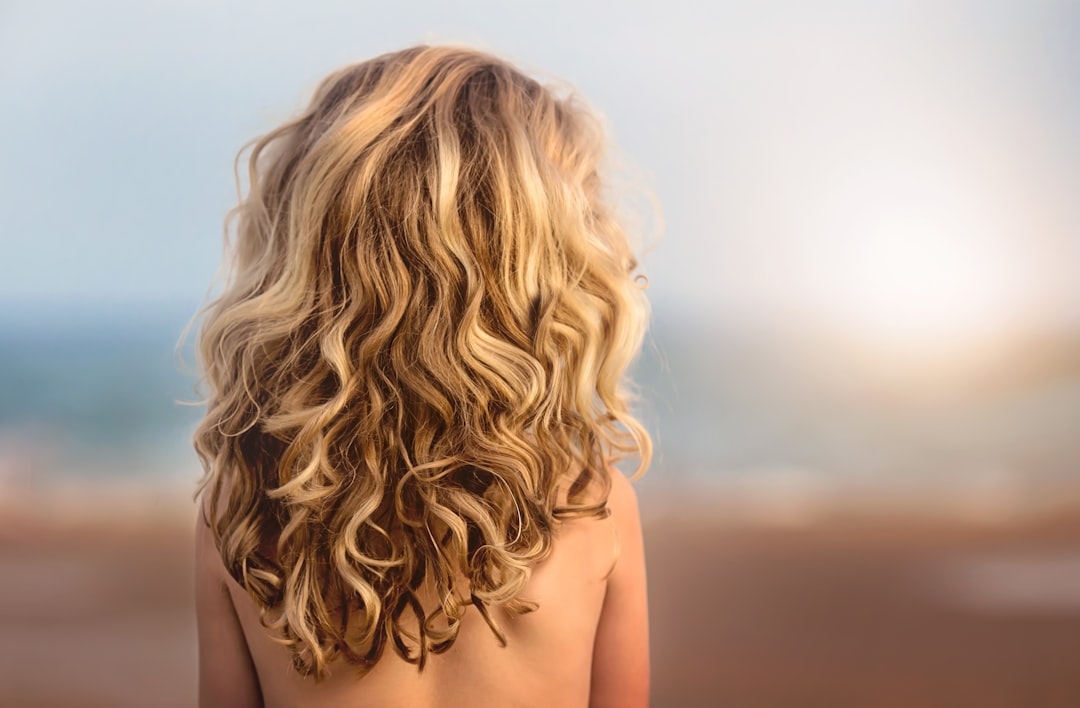
Beautiful waves elevate any hairstyle from ordinary to polished in minutes. Unlike tight curls or straightness, waves offer a natural, effortless appearance that suits most face shapes and hair types. The appeal lies in their versatility: waves work for casual beach days, professional settings, and formal events alike.
According to Marcus Blackwell, a trichologist with 15 years’ experience at London’s Strand Clinic, “Waves are fundamentally about creating shape and movement in the hair shaft. The key is understanding your specific hair texture and choosing techniques that work with it, not against it.” This distinction matters because what works brilliantly for fine, straight hair may not suit thick, curly hair.
The good news: waving hair doesn’t require expensive salon visits. With the right approach and tools, you can achieve salon-quality waves at home for a fraction of the cost. Most people spend £15-50 on equipment and can maintain their waves indefinitely with proper technique.
Heat-Based Methods for Waving Hair
Using a Curling Iron or Waving Iron
A standard curling iron (typically 25-32mm diameter) is one of the most accessible tools for creating waves. The technique differs slightly from creating full curls. Instead of wrapping the section completely around the barrel, you’ll wrap it halfway, creating a wave shape rather than a tight coil.
Step-by-step process:
- Start with clean, dry (or damp-dry) hair. Wet hair takes longer to set and results in less defined waves.
- Apply a heat protectant spray to all sections. Products like GHD Heat Protect Spray (£15-18) are worth the investment as they prevent damage and improve wave hold.
- Section your hair into four to six parts, depending on thickness. Use clips to manage sections you’re not working with.
- Take a subsection roughly 2 inches wide. Clamp the iron at mid-length of the hair, not at the root.
- Rotate the iron away from your face and hold for 8-12 seconds. The exact duration depends on hair thickness and temperature.
- Release and let the wave cool in your hand for 10 seconds before moving to the next section. This cooling period is crucial for wave longevity.
- Repeat across all sections, alternating the direction of wraps (away, then toward your face) for a more natural appearance.
Temperature matters significantly. Fine or damaged hair should stay below 160°C, while thick hair tolerates 180-200°C better. Most quality irons cost £20-60. Budget options work, though professional-grade tools like the GHD Curve Soft Curl Iron (£149) last longer and heat more evenly.
Creating Waves with Hot Rollers
Hot rollers create waves with less hands-on effort than a curling iron, making them ideal for busy mornings. The waves tend to look slightly more refined and voluminous.
A typical hot roller set includes 5-10 rollers in various sizes. Medium-sized rollers (38-44mm) create loose, romantic waves, while smaller rollers produce tighter, more textured waves.
Process:
- Dampen hair slightly (about 30% damp is ideal) and apply heat protectant.
- Plug in rollers and wait 5-10 minutes until they reach full temperature.
- Working section by section, roll hair upward and around the roller, securing with clips.
- Leave rollers in for 15-20 minutes as hair cools completely.
- Carefully unroll each section, working downward to release the wave pattern.
- Finger-comb gently or use a wide-tooth comb to soften waves if desired.
Quality hot roller sets range from £25-80. The Revlon One-Step (£30-35) offers good value, while professional sets last many years with minimal deterioration.
Non-Heat Methods for Lasting Waves
Overnight Braiding Technique
Braiding is the most budget-friendly approach, requiring nothing but your hair and a few bobby pins. It’s especially effective for naturally wavy or textured hair and creates waves that last 2-3 days.
Instructions:
- Lightly dampen hair with water or a hydrating spray.
- Divide hair into 3-6 sections depending on wave size preference. More sections create smaller, tighter waves.
- Braid each section loosely from root to tip. Tight braids create frizz; aim for relaxed braids.
- Secure ends with small elastics.
- Sleep on the braids (use a silk pillowcase to reduce frizz).
- Unbraid carefully the following morning, starting at the bottom of each section.
- Run your fingers through gently or use a wide-tooth comb. Avoid brushing, which breaks the wave pattern.
Pro tip: If you’re pressed for time, braid hair in the evening after a shower and wear braids for 4-6 hours while working or reading. You’ll achieve 60-70% of overnight results in half the time.
Pin Curl Method
Pin curls create more defined, vintage-style waves with excellent longevity. They take slightly longer than braiding but require minimal heat.
How to create pin curls:
- Work with damp (not dripping wet) hair.
- Section a piece of hair roughly 2 inches wide.
- Wrap the section around your finger to create a coil, then slide the coil off your finger onto the scalp.
- Pin the coil flat against the head using a bobby pin.
- Repeat across the entire head, working in rows or sections.
- Allow hair to dry completely (overnight or 6-8 hours). Using a dry heat source like a hood dryer accelerates this by 2-3 hours.
- Remove pins and gently finger-comb waves into desired shape.
Practice improves speed considerably. Most people complete a full head in 30-40 minutes after a few attempts.
Common Mistakes to Avoid
Many people struggle with waves simply because they overlook these critical errors:
- Starting with wet hair when using heat: Water requires excessive heat to evaporate, damaging hair and extending styling time. Aim for 70-80% dry hair.
- Clamping the iron at the root: This concentrates heat at the scalp and creates weak, floppy waves. Begin waving at mid-length instead.
- Holding sections too large: Thick sections don’t heat evenly. Keep sections to roughly 1.5-2 inches wide for consistent waves.
- Skipping heat protectant: Even one session without protection weakens hair. Always apply it, regardless of heat method.
- Rushing the cooling period: Waves set as they cool. Moving on immediately results in limp, loose waves that fall flat within hours.
- Brushing waves instead of finger-combing: A brush breaks the wave pattern. Use fingers or a wide-tooth comb only.
- Choosing the wrong iron size: Larger barrels (38-44mm) create loose, beachy waves. Smaller ones (19-25mm) create tighter waves. Match your tool to your desired result.
Product Recommendations for UK Buyers
The right products enhance wave longevity and health. Here are reliable, budget-conscious options available in the UK:
- Heat protectant: GHD Heat Protect Spray (£15-18) or supermarket alternatives like Boots’ B. Protective Styling Spray (£4-6). The expensive options offer slightly better conditioning, but budget options work well.
- Wave-setting spray: Umberto Giannini Seaweed Texture Spray (£6-8) creates texture and grip. For light hold, Batiste Dry Shampoo (£3-5) adds grip without stiffness.
- Leave-in conditioner: Essential for maintaining wave integrity and shine. Cantu Leave-In Conditioning Repair Cream (£6-8) works across most hair types and prices far below premium brands.
- Sea salt spray: Tangle Teezer Sea Salt Spray (£11-14) or MADE.COM’s budget version (£6-8) creates beachy texture and grip for non-heat methods.
- Curling iron: Dyson Corrale (£399) is excellent but unnecessary. Revlon One-Step (£30-35) and GHD Curve Soft Curl (£149) both deliver excellent results at various price points.
A complete wave-styling kit—including iron, heat protectant, and styling spray—costs approximately £40-60 initially, then £5-10 monthly for product replenishment.
Adapting Techniques for Different Hair Types
Fine Hair
Fine hair waves easily but waves fall out quickly without proper support. Use lighter heat (below 160°C), smaller barrel irons (19-25mm), and volumising sprays. Braiding overnight works exceptionally well because the gentleness prevents breakage.
Thick Hair
Thick hair requires higher heat (180-200°C) and larger sections. Expect longer styling time (30-45 minutes for a full head). Non-heat methods like braiding take longer but produce lasting results. Use heavier styling products that offer stronger hold.
Curly or Textured Hair
Your natural curl pattern already contains wave potential. Use a diffuser attachment on a blow dryer to enhance waves without a curling iron. Alternatively, use the “plopping” method: wrap damp hair in a cotton t-shirt for 20-30 minutes. This enhances natural waves while minimising frizz.
Damaged or Processed Hair
Reduce heat application to the minimum necessary. Non-heat methods like braiding and pin curls are preferable. Apply intensive conditioning treatments weekly (Olaplex Hair Perfecting Treatment, £28-32, or budget alternatives like Coconut Oil treatments at £5-8).
Maintaining Waves Between Styling Sessions
Waves typically last 1-3 days depending on method, hair type, and environmental factors. Extend longevity through these practices:
- Silk or satin pillowcases: Reduce friction that breaks wave patterns. A silk pillowcase costs £8-20 and extends wave life by 1 full day.
- Dry shampoo application: Spray dry shampoo at the roots to absorb oils and add grip. Reapply daily to maintain wave shape.
- Minimal washing: Wash hair only 1-2 times weekly to preserve waves. Between washes, use dry shampoo or dry conditioner spray.
- Avoiding humidity: Waves succumb to humidity quickly. Use an anti-frizz serum (Moroccanoil Treatment, £12-16) on humid days.
- Light finger-combing only: Never brush. Use fingers or wide-tooth combs to refresh waves without disrupting the pattern.
Frequently Asked Questions
How often can I safely use heat to wave my hair?
Using heat 2-3 times weekly on healthy hair is generally safe with proper heat protectant application. If your hair shows signs of damage (excessive breakage, dryness, split ends), reduce frequency to once weekly and alternate with non-heat methods. Those with damaged or bleached hair should limit heat to once weekly or less.
Can I wave very short hair?
Yes, but the technique differs slightly. Hair shorter than 2 inches requires smaller-barrelled irons or pin curls. Braiding works only on hair at least 4-5 inches long. Short hair waves last 12-24 hours due to limited surface area for grip.
What’s the difference between waves and curls?
Waves are S-shaped patterns in the hair, while curls are tight, spiralled coils. Waves use wrapping techniques that don’t complete a full rotation around the barrel; curls involve fully rotating hair around the tool. Waves appear softer and more relaxed; curls appear tighter and more defined.
Do non-heat methods work on straight hair?
Non-heat methods work best on hair with some natural texture or wave tendency. On very straight hair, braiding and pin curls produce subtle texture rather than defined waves. Heat methods are more effective for creating visible waves in naturally straight hair, though repeated non-heat styling (braiding multiple nights) can train hair into a wave pattern.
How much does professional wave styling cost in the UK?
Professional waves at a salon typically cost £25-60 depending on location and salon calibre. London salons charge £40-75; regional salons £20-45. Factor in that learning to wave at home pays for itself after one or two salon visits.
Creating Your Personal Wave-Styling Routine
Develop a routine matching your lifestyle, hair type, and budget. If you prefer low-maintenance styling, braiding overnight requires minimal effort and zero ongoing costs. If you prefer quick morning styling with maximum hold, a curling iron or hot rollers deliver results in 20-30 minutes for roughly £1-2 in electricity and product costs.
Experiment with different methods over several weeks. Track which techniques produce waves lasting longest, which feel most comfortable, and which deliver your preferred wave size and texture. Most people discover one or two go-to methods rather than using all techniques equally.
Start investing in quality tools incrementally. Begin with an affordable curling iron (£25-35) and heat protectant. As you refine technique, upgrade to a premium iron if desired. Build a collection of products gradually rather than purchasing everything at once.
Remember that technique matters more than equipment. A £35 Revlon iron in experienced hands creates superior waves to a £200 premium iron used incorrectly. Invest first in learning proper form, then in upgrading tools.