Contents:
- Who Is Dawn O’Porter and Why Does Her Hair Matter?
- The Evolution of Her Hair Over Time
- The Timeline: When Things Changed Noticeably
- What O’Porter Has Actually Said About Her Hair
- Her Approach to Beauty Honesty
- The Costs Behind the Look: A Budget Breakdown
- Natural Hair Vs. Extensions: What’s Actually Possible?
- Regional Differences in Hair Care Standards
- Practical Tips: If You’re Considering Extensions Yourself
- FAQ: Your Questions About Celebrity Hair and Extensions
- Does using extensions damage your natural hair?
- Can you tell if someone is wearing extensions just by looking?
- Why do celebrities even bother with extensions if they’re expensive?
- Is there a moral issue with not disclosing extensions?
- What would happen if she stopped wearing extensions?
- What We Actually Know About O’Porter’s Hair in 2026
The afternoon light catches through the studio windows as you scroll past another red carpet photo: Dawn O’Porter, beaming with what appears to be impossibly glossy, voluminous hair cascading down her shoulders. If you’ve followed her career across television, radio, and social media, you’ve probably noticed her hair has become rather iconic—thick, lustrous, and seemingly always camera-ready. The question lingers in the back of many viewers’ minds: is all of that genuine, or is there more to the story?
Who Is Dawn O’Porter and Why Does Her Hair Matter?
Before diving into the follicle facts, context matters. Dawn O’Porter is a British television and radio presenter, author, and podcaster who’s built a considerable platform since the mid-2000s. She’s hosted everything from MTV shows to Strictly Come Dancing coverage, and more recently, she’s become known for her candid podcast and social media presence where she discusses everything from celebrity culture to her personal life with refreshing honesty.
Her hair hasn’t just been incidental to her image—it’s become part of her personal brand. In the age of social media, where every pixel gets scrutinised, celebrity hair transformations spark genuine curiosity and conversation. What makes O’Porter’s case particularly interesting is that she’s never been coy about discussing beauty routines, cosmetic choices, and the realities of maintaining a public appearance.
The Evolution of Her Hair Over Time
Track her career visually, and you’ll notice distinct phases. In the early 2010s, her hair was noticeably shorter and less voluminous. By the mid-2010s, viewers started remarking on the increased thickness and length. By 2020, the transformation was undeniable—fuller, shinier, and seemingly untouchable by gravity.
This isn’t unusual in the entertainment industry. Many television personalities undergo gradual changes to their appearance as styling improves, confidence grows, and professional resources expand. What’s different about O’Porter is her willingness to be transparent about what’s real and what isn’t.
The Timeline: When Things Changed Noticeably
Between 2019 and 2021, the shift became most apparent. This period coincided with increased social media engagement and her expanding presence on platforms like Instagram and TikTok, where close-up, high-definition footage revealed details that television doesn’t always capture. Seasonally, around autumn and winter months, her hair appeared particularly voluminous—a time when many people seek out hair treatments and extensions due to the drying effects of central heating and cold weather.
What O’Porter Has Actually Said About Her Hair
Rather than speculation, let’s ground this in what she’s confirmed herself. In various interviews and podcast episodes, O’Porter has been fairly direct: she uses extensions. Not full-time coverage necessarily, but extensions are part of her styling toolkit. This is particularly relevant for television and events, where lighting and close-up cameras demand a certain aesthetic standard.
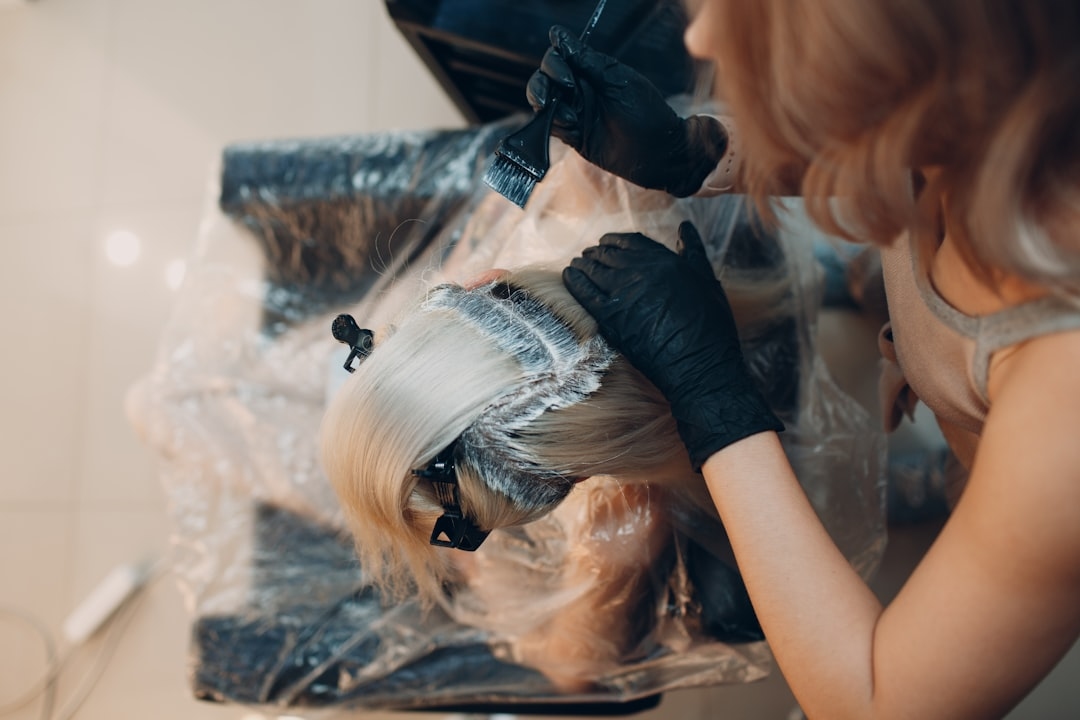
The specifics she’s mentioned include using both clip-in extensions and occasionally getting them professionally applied. The clip-in versions give her flexibility—she can have dramatically voluminous hair for filming or appearances, then remove them for everyday life. This is actually a smart approach for someone regularly in front of cameras.
Her Approach to Beauty Honesty
What’s refreshing about O’Porter’s stance is that she doesn’t pretend everything is entirely natural, nor does she apologise for using products and extensions. She treats them as tools—the same way a makeup artist uses foundation or a stylist uses heat protectant spray. In interviews, she’s maintained that discussing these choices openly actually helps reduce the pressure on her audience to achieve impossible-looking standards.
The Costs Behind the Look: A Budget Breakdown
If you’re curious about what maintaining hair like hers actually costs, the numbers are illuminating. Professional hair extensions in the UK range significantly depending on type and quality:
- Clip-in extensions: £40–£150 per set, lasting 6–12 months with proper care
- Tape-in extensions: £200–£600 for application, requiring maintenance every 6–8 weeks at £100–£200 per visit
- Bonded/fusion extensions: £500–£1,200 initially, plus £150–£300 monthly maintenance
- Professional styling and treatment: £50–£150 per session
- At-home maintenance products: £15–£40 monthly
For someone in her position, professional extensions are applied regularly by top stylists, likely costing £2,000–£5,000 annually. This is substantial, but for a television and media personality, it’s a business expense—part of maintaining the image that helps secure contracts and sponsorships.
Natural Hair Vs. Extensions: What’s Actually Possible?
Here’s a practical reality check. Some people do have naturally thick, long, healthy hair. Genetics plays a role—hair density, growth rate, and strength vary considerably. However, achieving the particular look O’Porter sports regularly requires either exceptionally fortunate genetics combined with meticulous care, or extensions, or usually both. Her natural hair likely provides a solid foundation, with extensions adding volume and length strategically.
Regional Differences in Hair Care Standards
Interestingly, attitudes toward hair extensions differ across the UK and beyond. In London and the South East, extension use is remarkably common and barely remarked upon—it’s simply part of beauty culture. In Manchester and Northern areas, there’s sometimes slightly more emphasis on natural texture, though extensions are equally prevalent. Meanwhile, on the West Coast of the United States, where O’Porter’s work has occasionally crossed over, the acceptance of visible extensions is lower, leading to demand for more seamless, expensive applications.
Practical Tips: If You’re Considering Extensions Yourself
Should you decide extensions are right for you—perhaps because you live in a smaller space with limited styling tools, or you want flexibility without committing to growing your hair long—here are realistic considerations:
- Quality matters more than quantity: Cheap extensions look cheap. Expect to spend at least £60–£100 for clip-ins that look decent and last more than a few wears.
- Maintenance is non-negotiable: Extensions require specific products, careful brushing, and storage. Budget time, not just money.
- Professional application is worth it: If you can’t afford professional application, clip-ins are your friend. Tape-ins and bonded extensions require expertise.
- Know your lifestyle: Extensions don’t work well for swimming, gym sessions with heavy sweating, or very active lifestyles without proper care protocols.
- Seasonal care adjustments: Winter and summer both stress hair differently. Summer chlorine and salt water can damage extensions; winter heating dries them out. Plan accordingly.
FAQ: Your Questions About Celebrity Hair and Extensions
Does using extensions damage your natural hair?
Poorly applied or maintained extensions can cause damage—breakage, thinning, and scalp irritation. However, professionally applied extensions with proper care typically don’t damage healthy hair. O’Porter’s natural hair doesn’t appear damaged, suggesting she uses quality applications and maintains them properly.
Can you tell if someone is wearing extensions just by looking?
Sometimes, yes. Visible seams, mismatched texture, or unnatural volume distribution reveal extensions. High-quality extensions blend seamlessly, especially with professional styling. O’Porter’s extensions, when she wears them, are good quality—you wouldn’t necessarily notice without close examination.
Why do celebrities even bother with extensions if they’re expensive?
Because the alternative is more expensive. A celebrity’s appearance directly impacts their earning potential through appearance fees, sponsorships, and bookings. Investing £3,000 annually in hair extensions might generate £30,000 in additional income through better camera presence alone. For someone with limited space or busy schedules, extensions also solve the time problem—you can’t grow beautiful long hair quickly, but you can buy it.
Is there a moral issue with not disclosing extensions?
This is where O’Porter’s approach stands out. She’s fairly transparent about her choices, which is increasingly the standard expectation for influencers and public figures. The issue arises when someone presents an entirely artificial look as natural while simultaneously building a brand on relatability.
What would happen if she stopped wearing extensions?
Her hair would likely return to a shorter, less voluminous state—still probably healthy and nice, but visibly different. This wouldn’t be a scandal; it would just be a change in her image, similar to when anyone gets a significant haircut. Her career doesn’t depend solely on hair volume, so it wouldn’t be catastrophic.
What We Actually Know About O’Porter’s Hair in 2026
To summarise the facts: O’Porter’s hair, particularly as seen on television and in professional photos, includes extensions. Her natural hair almost certainly provides a good foundation, but the dramatic volume and length viewers see regularly aren’t entirely natural. She’s acknowledged using extensions in interviews, treating them as a professional styling choice rather than deception.
This reflects a broader shift in celebrity culture. The most respected public figures aren’t those who pretend to be naturally perfect—they’re the ones who are honest about the effort involved. O’Porter’s willingness to discuss hair extensions, cosmetic choices, and the realities of maintaining a public image actually enhances her credibility rather than damaging it.
If you’re interested in achieving a similar look—whether because you admire the aesthetic or you’re curious about extensions for yourself—focus on finding a quality stylist in your area who can assess your hair type and recommend appropriate options. Budget realistically, expect to spend time on maintenance, and remember that what works for a television presenter might not suit your lifestyle or budget. The real insight isn’t about O’Porter’s hair specifically; it’s understanding that the polished images we see represent significant investment in styling, professional expertise, and yes, sometimes extensions.