Contents:
- Topic unpacking: what makes micro bonds different from other methods
- History and context: how micro bonds became the go-to for short hair
- Key aspects: how micro bonds work for short hair specifically
- Strategic placement
- Bond size and hair thickness
- Blending with growth patterns
- Expert insights
- Practical application: what the process actually looks like
- Cost breakdown
- Practical application: aftercare for short hair specifically
- FAQ: micro bonds and short hair transformations
- How short can my hair be and still take micro bonds well?
- Will micro bonds be visible in a very short haircut?
- How long does a full micro bond transformation take for short hair?
- Do micro bonds damage short hair more than longer hair?
- Getting the transformation right
Bonded hair attachment methods trace back further than most people expect — Egyptian wigmakers were fusing plant fibre and human hair together using resin-based adhesives thousands of years ago, and the basic principle hasn’t changed as much as the materials have. What was once resin and beeswax is now medical-grade keratin and silicone-lined rings, but the underlying idea remains the same: attach individual sections of hair without disturbing what’s already growing. Micro bonds are the modern, refined version of that ancient idea, and they’ve become one of the most reliable options for anyone working with short hair who wants a dramatic length change.
Topic unpacking: what makes micro bonds different from other methods
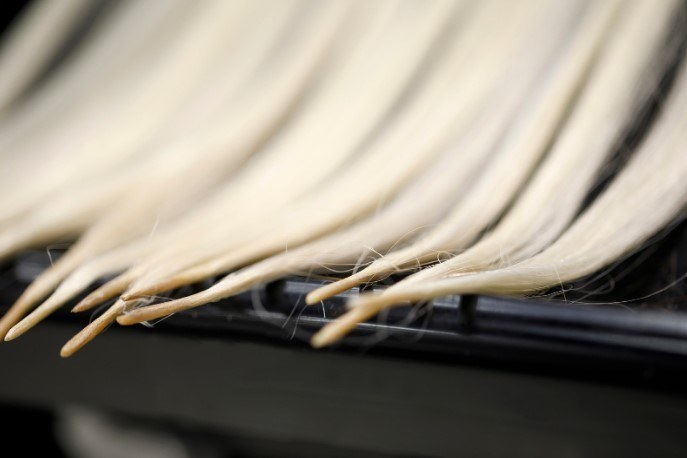
Micro bonds attach small sections of extension hair to individual strands of natural hair using tiny silicone-lined rings or keratin bonds, rather than wefts sewn or taped in rows. This individual-strand approach makes them particularly well suited to short hair, since the attachment points can be placed strategically to avoid visible gaps as the extensions blend into shorter layers, something rows-based methods struggle with on hair under shoulder length.
History and context: how micro bonds became the go-to for short hair
Fusion bonding methods in the 1990s and early 2000s relied on hot glue and heavy adhesives that were difficult to apply discreetly on shorter hair, often leaving visible lumps at the root. Micro bonds emerged as a refinement of that technique, using much smaller attachment points and cooler application methods that could be tucked closer to the scalp. By the 2020s, micro bond technique had advanced enough that technicians could place individual bonds with millimetre precision, making them viable even for pixie cuts and bob-length hair that previously wouldn’t have held extensions well at all.
Key aspects: how micro bonds work for short hair specifically
Strategic placement
For short hair, bonds are placed in a scattered, layered pattern rather than uniform rows, so the extension hair falls naturally within existing layers instead of creating an obvious demarcation line.
Bond size and hair thickness
Smaller, finer bonds are typically used for shorter hair to avoid weighing down thinner sections near the crown and hairline, where short haircuts often have less density to support attachment points.
Blending with growth patterns
Because short hair grows out more visibly than longer hair, bonds need repositioning sooner — usually every 6-8 weeks — to keep the blend looking seamless as the natural hairline shifts.
Expert insights
“With short hair, the biggest mistake I see from less experienced technicians is placing bonds too close together, which creates weight in the wrong places and pulls at the root within weeks,” explains Alina Cooper, a session stylist with twelve years of experience specialising in extension work for shorter cuts. “The skill isn’t really in the bond itself — it’s in reading how someone’s specific cut will grow out and placing the sections to work with that, not against it.”
Practical application: what the process actually looks like
A typical appointment for micro bonds hair extensions on short hair starts with a detailed assessment of the current cut’s layering, since this determines exactly where bonds can sit without becoming visible. At Ivana Farisei, this assessment typically takes longer for short hair clients than for those with longer hair, precisely because placement has to work around existing layers rather than simply adding length underneath a longer canopy of natural hair.
Clients specifically transitioning from a short cut are usually advised to book in stages rather than adding maximum length in one sitting, since gradually increasing length across two or three appointments allows the natural hair to adjust and gives the stylist a clearer picture of how the bonds are settling before adding further weight.
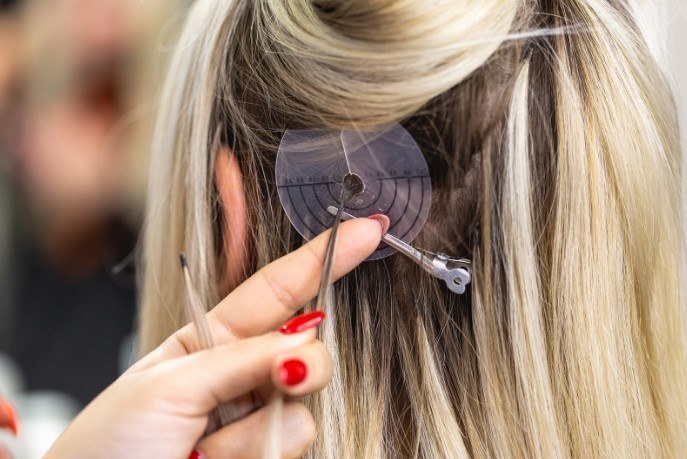
Ivana Farisei’s staged approach to short-hair transformations reflects exactly this kind of caution, prioritising how the bonds settle over rushing to maximum length in a single visit.
Cost breakdown
Micro bond sets for short hair in London typically range from £450 to £850 depending on the amount of hair used and the number of bonds required to achieve a natural-looking transformation. Because short hair transformations often require more bonds per section to avoid visible gaps, pricing can sit slightly higher than equivalent-length work on longer starting hair. Maintenance visits every 6-8 weeks generally cost £100-£180, reflecting the additional time needed to reposition bonds around a shorter, faster-growing hairline.
Practical application: aftercare for short hair specifically
Short hair with micro bonds needs more careful brushing near the crown, where bonds sit closer to visible sections, and typically benefits from a slightly looser ponytail or half-up style to reduce tension on the smaller sections of natural hair holding each bond. Salons offering a genuine london hair extension salon service, like Ivana Farisei, generally provide written aftercare guidance specific to the client’s own hair length and cut, rather than a generic leaflet that assumes shoulder-length or longer starting hair.
For anyone specifically researching extensions for short hair, it’s worth asking any prospective salon how many short-hair transformations they’ve completed recently, since this is a meaningfully different skill set from applying extensions to hair that already has some length to work with.
Clients considering a short-hair transformation are well served by asking any potential salon these same questions Ivana Farisei answers as standard during its initial consultation.
FAQ: micro bonds and short hair transformations
How short can my hair be and still take micro bonds well?
Most technicians recommend at least a few inches of length at the crown and nape to anchor bonds securely, though exact requirements vary depending on hair density.
Will micro bonds be visible in a very short haircut?
With skilled placement, bonds can be tucked close to the scalp and hidden within layering, though very short pixie cuts require particularly experienced technicians to avoid visibility.
How long does a full micro bond transformation take for short hair?
Appointments typically run 3-5 hours depending on the amount of hair added and the precision required for placement around existing layers.
Do micro bonds damage short hair more than longer hair?
Not inherently, but because sections are smaller on short hair, correct bond size and placement matter even more to avoid tension on finer strands.
Getting the transformation right
Micro bonds remain one of the most reliable ways to take short hair to a dramatically longer length without an obvious giveaway, but the technique demands real precision when working with less hair to anchor onto. Choosing a technician with specific short-hair experience, rather than general extension experience alone, makes the difference between a transformation that looks effortless and one that shows its seams within weeks.