Contents:
- Why Your Current Hair-Washing Routine Might Be Hurting You
- Step-by-Step Guide to How to Wash Hair Correctly
- Step 1: Prepare Your Hair Before Water
- Step 2: Rinse with Warm (Not Hot) Water
- Step 3: Apply Shampoo Strategically
- Step 4: Rinse Thoroughly
- Step 5: Apply Conditioner to the Right Spots
- Step 6: Final Rinse with Cool Water
- Budget Breakdown: Costs of Washing Hair at Home vs. Salon
- Expert Tips to Elevate Your Technique
- Choose the Right Shampoo for Your Hair Type
- Master the Scalp Massage
- Consider Your Water Quality
- Dry Your Hair Gently
- Common Questions About How to Wash Hair
- How often should you wash your hair?
- Is it bad to wash your hair every day?
- Can you over-condition your hair?
- Does water temperature really affect hair health?
- What’s the best way to wash thick or curly hair?
- Your Next Steps: Start Small and Build Habits
You’ve been washing your hair your whole life, but are you actually doing it right? Most people make simple mistakes that damage their hair, waste expensive shampoos, and leave their scalp either too dry or too oily. The good news? Learning how to wash hair correctly takes just a few minutes and immediately improves your results without spending more money.
Why Your Current Hair-Washing Routine Might Be Hurting You
Hair damage often starts in the shower. When you rub shampoo into a messy heap of hair, you create friction that weakens the outer layer of each strand. Vigorous scrubbing can strip away natural oils (sebum) that protect your scalp and hair, leading to a frustrating cycle: wash away the oil, scalp overproduces oil to compensate, hair gets greasy faster, so you wash again. This repeats every few days, leaving you feeling trapped.
Temperature matters too. Hot water opens the outer layer of hair (the cuticle), making it more vulnerable to breakage and colour fading. If you use a conditioner only on your ends, you’re missing an opportunity to protect mid-length hair where damage is most visible.
According to Dr Sarah Netherton, a trichologist based in London, “Most people use three to four times more shampoo than they actually need. They also apply it to their entire head instead of focusing on the scalp, which wastes product and leaves hair feeling heavy or dull.”
Step-by-Step Guide to How to Wash Hair Correctly
Step 1: Prepare Your Hair Before Water
Start with dry hair and use a wide-toothed comb or detangling brush to remove knots. This prevents breakage when hair is wet and fragile. Spend 2–3 minutes gently combing from the ends upward, never yanking. Wet, tangled hair can snap off easily; dry, combed hair won’t.
Step 2: Rinse with Warm (Not Hot) Water
Use warm water—comfortable enough to touch but not hot. Rinse your entire head for 30–45 seconds to loosen surface dirt and product buildup. This pre-rinse reduces how much shampoo you actually need.
Step 3: Apply Shampoo Strategically
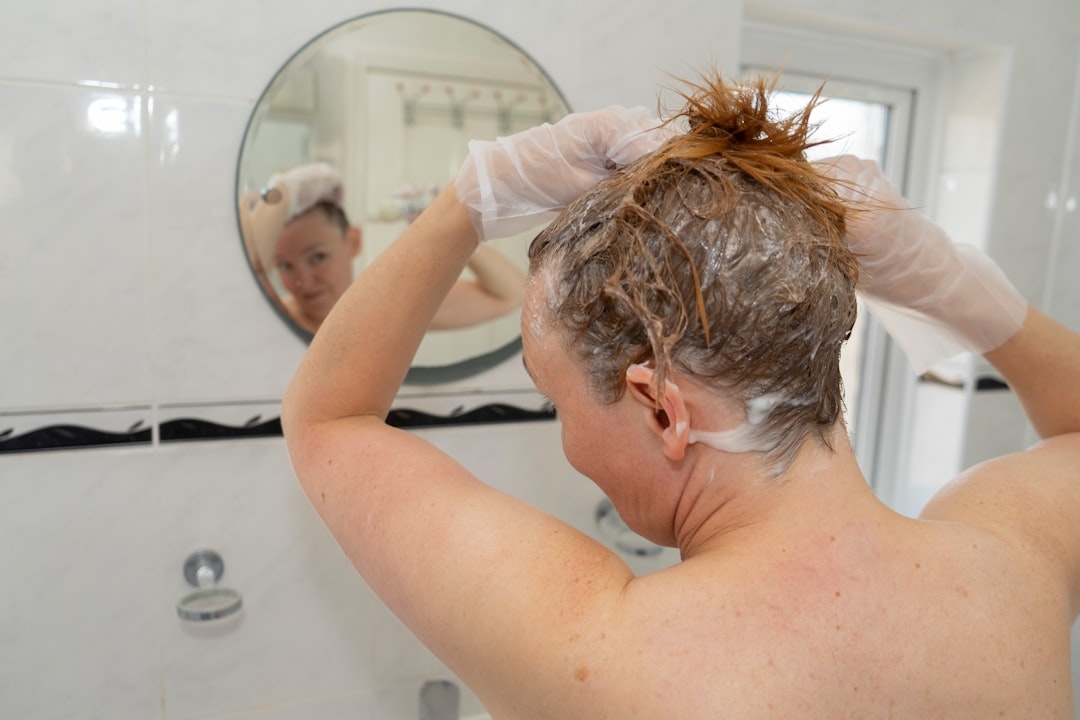
Here’s where most people go wrong. Dispense a coin-sized amount of shampoo (roughly 5–10ml depending on hair thickness and length) into your palm. Rub your hands together, then apply it directly to your scalp using your fingertips, not your nails. Work it into a light lather by massaging in small circular motions for 45–60 seconds. Focus on the roots and crown, where oil accumulates.
Do not scrub the entire length of your hair. The shampoo will travel down when you rinse and will clean the mid-lengths and ends naturally. This simple change saves product and prevents unnecessary damage.
Step 4: Rinse Thoroughly
Rinse with warm water for at least 60 seconds, making sure no shampoo residue remains. If you have thick or curly hair, rinse for 90 seconds. Leftover shampoo builds up on the scalp, causing itchiness and making hair look dull.
Step 5: Apply Conditioner to the Right Spots
Use a conditioner amount similar to your shampoo (5–10ml). Apply it to the mid-lengths and ends of your hair, working it through with your fingers or a wide-toothed comb. Leave it on for 2–3 minutes while you shower or wash your face. This dwell time allows the conditioner to penetrate and seal the hair cuticle.
Avoid applying conditioner to your scalp. This is crucial. Conditioning the roots weighs hair down and can trigger excess oil production.
Step 6: Final Rinse with Cool Water
Finish with a 20–30 second rinse in cool or cold water. This seals the hair cuticle, locks moisture in, adds shine, and helps colour last longer if you colour-treat your hair. You don’t need ice-cold water; cool is enough.
Budget Breakdown: Costs of Washing Hair at Home vs. Salon
Learning how to wash hair properly at home saves significant money over time:
- Quality shampoo and conditioner duo: £8–£15 per bottle (250–300ml), lasts 2–3 months = roughly £3–5 per month
- Professional salon wash (London average 2026): £25–£50 per visit, typically monthly = £25–50 per month
- Annual savings by washing at home: £240–£540 per year
Even if you visit a salon every three months for a professional blow-dry (£40–£60), you’ll still spend far less than frequent salon washes. Proper at-home technique extends time between professional services and keeps your hair healthier between visits.
Expert Tips to Elevate Your Technique
Choose the Right Shampoo for Your Hair Type

Using the wrong shampoo undermines even perfect technique. If you have an oily scalp but dry ends (combination hair), use a clarifying shampoo no more than once weekly, switching to a gentle, sulphate-free formula other days. For fine hair, lightweight volumising shampoos work better than heavy moisturising ones. Curly or textured hair benefits from creamy, hydrating formulas that reduce frizz.
Budget options from Superdrug or Boots (£2–£4 per bottle) often work as well as premium brands—the key is matching your hair type, not the price tag.
Master the Scalp Massage
A proper scalp massage during shampooing stimulates blood flow, promoting hair growth and removing dead skin cells. Use your fingertips (never nails) and move them in slow, deliberate circles. Spend extra time on areas prone to oiliness or flaking. This takes only 60 seconds and requires no additional products.
Consider Your Water Quality
Hard water (high in minerals like calcium and magnesium) can leave buildup on hair, making it look dull and lifeless. If you have hard water, every 2–3 weeks use a chelating shampoo to remove mineral deposits. Alternatively, install an inexpensive shower filter (£15–£30) that softens water and improves results for your entire body.
Dry Your Hair Gently
After washing, gently squeeze excess water out using your hands. Avoid wringing or twisting. Wrap your hair loosely in a soft microfibre towel or cotton t-shirt for 10–15 minutes. This absorbs water without the friction that regular towels create. When you do blow-dry, use a lower heat setting and keep the nozzle at least 15cm from your hair.
Common Questions About How to Wash Hair
How often should you wash your hair?
This depends on your scalp type and hair texture. Most people with straight or combination hair do well washing every 2–3 days. Those with curly, coily, or textured hair can often stretch to 5–7 days or even longer, as natural oils travel more slowly down the hair shaft. If your scalp feels oily but your ends feel dry, you’re likely washing too frequently or using shampoo that’s too harsh.
Is it bad to wash your hair every day?
Daily washing strips the scalp of protective oils, triggering overproduction and making you dependent on frequent washing. For most people, daily washing leads to greasier hair that requires more frequent washing. If you have very fine hair or work in a dusty environment, you might feel you need to wash daily—in that case, use a very gentle, sulphate-free shampoo and focus only on the scalp.
Can you over-condition your hair?
Yes. Over-conditioning, especially on the scalp and roots, weighs hair down and creates a buildup that looks dull. Use conditioner sparingly (5ml is usually enough) and apply only to mid-lengths and ends. If your hair feels heavy or limp after conditioning, you’re using too much.
Does water temperature really affect hair health?
Absolutely. Hot water opens the hair cuticle, making strands more porous and prone to damage, dryness, and colour fading. Warm water cleanses effectively without this risk. A final cool rinse seals the cuticle and boosts shine. If you’re colour-treating your hair, the temperature difference is especially noticeable in how long your colour lasts.
What’s the best way to wash thick or curly hair?
Thick or curly hair needs extra hydration and less frequent washing. Use a hydrating shampoo and conditioner specifically formulated for texture. Apply shampoo only to the scalp and roots; let it rinse down naturally. Leave conditioner on for 3–5 minutes. When detangling, use a wide-toothed comb or your fingers while conditioner is still in your hair—this reduces breakage. Consider co-washing (using conditioner to cleanse) every other time you wash to maintain moisture.
Your Next Steps: Start Small and Build Habits
You don’t need to overhaul your routine overnight. Pick one or two changes from this guide and practice them for a week. Try the coin-sized shampoo amount and focus on scalp-only application. Then add the cool water rinse. Finally, refine your conditioner technique. Small, consistent changes compound into noticeably healthier, shinier hair that costs less to maintain.
The fundamentals of how to wash hair—using the right amount of product, applying it strategically, and rinsing thoroughly—are simple once you know them. You’ll see results within 2–3 weeks: less breakage, more shine, better texture, and a scalp that feels balanced instead of oscillating between oily and dry. That’s the payoff of doing it right.