Contents:
- The Protein-Moisture Balance
- When Hair Needs Protein Treatment
- Damaged, Porous Hair
- Fine or Weak Hair
- Over-Moisturised Hair
- When Hair Doesn’t Need Protein
- Naturally Healthy, Undamaged Hair
- Curly or Coily Hair with Low Porosity
- Very Fine Hair
- Protein Treatment Types and Cost Breakdown
- Rinse-Out Protein Conditioners (Mild)
- Deep Protein Treatments (Moderate)
- Intensive Protein Treatments (Heavy-Duty)
- DIY Protein Treatment (Budget-Friendly)
- Expert Quote: Trichologist Perspective on Protein
- Cost Breakdown: Protein Treatment Investment
- Preventing Protein Overload: Signs and Solutions
- Signs Your Hair Has Too Much Protein
- Solutions for Protein Overload
- FAQ: Protein and Hair Health
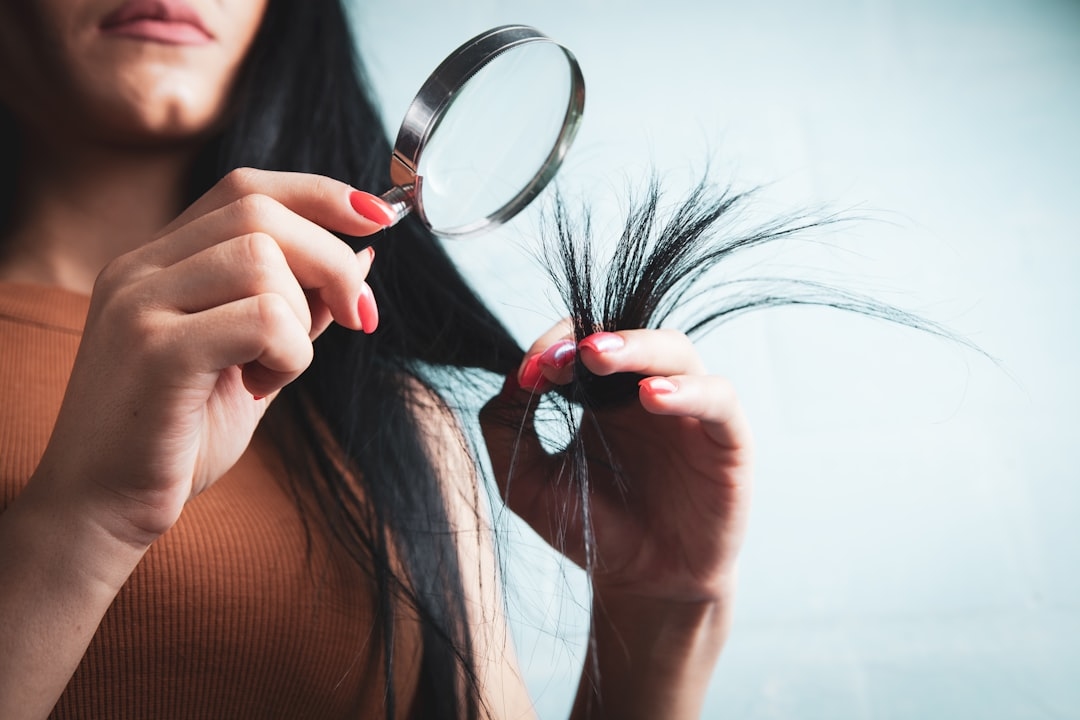
You’ve heard that protein strengthens hair, so you start using protein treatments religiously. After two weeks, your hair feels stiff, looks dull, and breaks at the slightest manipulation. You’ve experienced protein overload—when beneficial treatments become counterproductive through excessive use. Understanding whether protein is good for hair requires understanding the nuanced reality: protein is essential, but balance matters.
The Protein-Moisture Balance
Hair requires two things: protein (structure) and moisture (elasticity). Protein treatments strengthen by filling voids in damaged cuticles and depositing amino acids that reinforce hair structure. Moisture treatments hydrate, allowing hair flexibility. These needs exist in tension: hair with excess protein becomes brittle; hair with excess moisture becomes limp and weak. Optimal hair has protein-moisture equilibrium.
Analogy: think of hair as a sponge. Protein is the structure (the sponge’s framework). Moisture is the water (filling the spaces). Neither alone is sufficient; you need both. Too much protein and the sponge becomes rigid; too much moisture and it deteriorates.
When Hair Needs Protein Treatment
Damaged, Porous Hair
Hair that’s been chemically treated (coloured, bleached, relaxed, permed), heat-damaged (from blow dryers, flat irons), or mechanically damaged (from rough brushing, tight hairstyles) has gaps in the cuticle. Protein treatments fill these gaps, restoring temporary strength. Protein treatments are crucial for recovering from damage. Without protein support, porous hair breaks continuously.
Fine or Weak Hair
Fine hair (smaller diameter) benefits from protein thickening. Protein treatments plump the hair shaft, making individual strands appear and feel thicker. This is temporary—effects last 2-3 weeks—but genuinely beneficial for styling and appearance.
Over-Moisturised Hair
Paradoxically, hair can become “too wet”—overly saturated with moisture treatments, becoming mushy, stretching excessively when wet, and breaking. Protein treatments rebalance by restoring structure. If your hair feels weak and stretchy when wet despite regular conditioning, protein is what’s needed.
When Hair Doesn’t Need Protein
Naturally Healthy, Undamaged Hair
If your hair has never been chemically treated, rarely experiences heat, and shows no breakage, excessive protein is unnecessary. Monthly lightweight protein (like a rinse-out conditioner with hydrolysed protein, around £5-8) is sufficient maintenance. Daily protein treatments would be counterproductive.
Curly or Coily Hair with Low Porosity
Low-porosity hair has a tightly sealed cuticle that doesn’t absorb moisture or protein readily. Protein treatments sit on the surface, causing buildup and crunchiness without actual strengthening. These individuals benefit more from moisture treatments and scalp care.
Very Fine Hair
While fine hair benefits from occasional protein, excessive protein weighs it down dramatically. A light protein rinse (conditioner containing hydrolysed protein) monthly is adequate; heavy protein treatments cause fine hair to look limp.
Protein Treatment Types and Cost Breakdown
Rinse-Out Protein Conditioners (Mild)
Examples: Aphogee, Cantu Shea Butter (£5-10). Applied briefly (5-10 minutes) then rinsed. Lightweight protein delivery. Best for: weekly use on damaged or fine hair. Cost: approximately £1-2 per application if using sparingly.
Deep Protein Treatments (Moderate)
Examples: SheaMoisture Raw Shea Butter Restorative Conditioner, Carol’s Daughter Black Vanilla (£8-15). Applied 15-20 minutes, then rinsed. Stronger protein concentration. Best for: biweekly use on damaged or curly hair. Cost: approximately £2-4 per application.
Intensive Protein Treatments (Heavy-Duty)
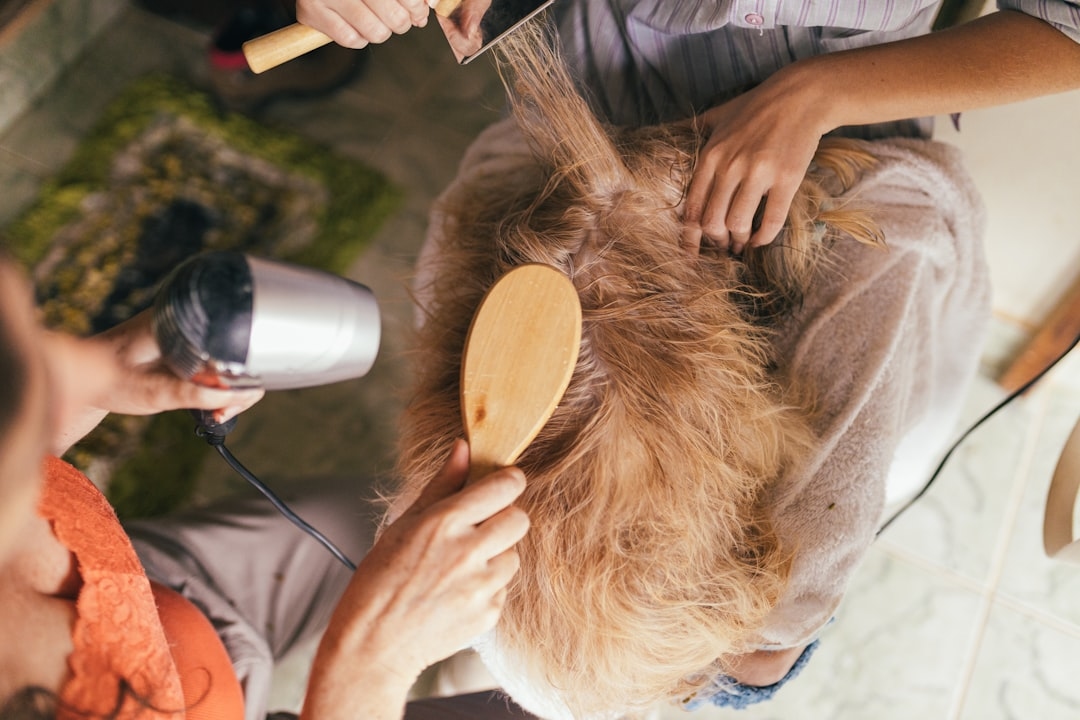
Examples: Aphogee Two-Step, K18 (£15-35). Applied 10-15 minutes or longer, then rinsed. Highest protein concentration; formulated for severely damaged hair. Best for: monthly or after chemical treatments. Cost: £3-8 per application due to small quantity needed.
DIY Protein Treatment (Budget-Friendly)
Egg mask: raw egg mixed with a tablespoon of honey, applied 15 minutes, then rinsed with cool water. Cost: under £1. Effective for light protein delivery. Drawback: unpleasant smell.
Expert Quote: Trichologist Perspective on Protein
Dr. Claire Goodman, registered trichologist at the London Trichology Centre: “Protein is essential for damaged hair, but I see constant protein overload in my practice. People apply protein treatments multiple times weekly and wonder why their hair feels hard and breaks. The body naturally produces proteins; external protein treatments supplement but shouldn’t replace. I recommend protein weekly for actively damaged hair (post-colour, post-heat damage), biweekly for maintenance of previously damaged hair, and monthly for healthy hair. Additionally, always follow protein with moisture—a hydrating conditioner or leave-in—to prevent the drying effect protein can cause. This protein-moisture sequence restores balance and prevents overload.”
Cost Breakdown: Protein Treatment Investment
- Weekly protein (damaged hair): £1-3 weekly, £52-156 annually
- Biweekly protein (maintenance): £2-4 biweekly, £52-104 annually
- Monthly protein (healthy hair): £3-8 monthly, £36-96 annually
- DIY egg masks (budget option): £0.50-1 per application, £26-52 annually if weekly
Professional salon protein treatments (£40-80 per session) are luxury options, not necessity. At-home treatments deliver similar results at 1/10th the cost.
Preventing Protein Overload: Signs and Solutions
Signs Your Hair Has Too Much Protein
- Stiffness: Hair feels hard, doesn’t bend easily. Touch test: gently bend a strand; healthy hair bends smoothly; protein-overloaded hair resists.
- Dullness: Hair lacks shine despite being “moisturised.” Buildup interferes with light reflection.
- Increased breakage: Hair snaps when combing or styling. The rigidity from excess protein makes it brittle.
- Crunchiness: Hair feels gritty, like it’s coated (which it is—with protein buildup).
Solutions for Protein Overload
Immediate: Use clarifying shampoo (brands like Malibu C Hard Water, £12-15) to remove protein buildup. This strips all product residue, resetting the hair.
Short-term: Pause all protein treatments for 2-4 weeks. Use only moisturising conditioner and leave-in conditioner. This allows hair to rebalance.
Long-term: Adopt the protein-moisture sequence. After any protein treatment, follow with a hydrating conditioner or leave-in. This prevents the drying effect protein causes and maintains balance.
FAQ: Protein and Hair Health
Is there a “best” protein treatment? No universal best; the right treatment depends on your hair’s damage level. For light damage, a rinse-out conditioner with hydrolysed protein suffices. For severe damage (bleached hair), a heavy-duty treatment (Aphogee Two-Step) is warranted. Matching intensity to damage level prevents overload.
Can I use protein and moisture treatments the same day? Yes, but sequence matters. Protein first (it’s more intensive), then moisture. If done in reverse, moisture can block protein penetration.
How often should I use protein if my hair is fine? Maximum once monthly with a lightweight treatment. Fine hair breaks easily under excess weight; more frequent protein risks damage. If your fine hair is also damaged, balance with very light treatments biweekly rather than heavy weekly treatments.
What’s the difference between hydrolysed and unhydrolysed protein? Hydrolysed protein is broken into smaller molecules, penetrating hair readily. Unhydrolysed (whole) protein sits on the surface, coating hair. Hydrolysed is preferable for internal strengthening; unhydrolysed is useful for temporary shine and protection. Most commercial treatments use hydrolysed protein.
Can I rely solely on protein to repair damage? No. Protein supports but cannot fully repair. Minimising additional heat and chemical damage, getting regular trims to remove damaged ends, and protecting hair from harsh styling are equally essential. Protein is supplementary to damage prevention.
Is protein good for hair? Absolutely, in appropriate doses. Protein treatments strengthen damaged, fine, or porous hair and support recovery from chemical or heat damage. However, consistency and balance are essential. One protein treatment weekly for genuinely damaged hair, paired with biweekly moisture treatments, creates optimal results. For healthy, undamaged hair, monthly lightweight protein maintains integrity without overload. The key is matching protein intensity to damage level and always restoring moisture balance afterward. This disciplined approach ensures protein becomes beneficial rather than counterproductive.