Contents:
- Timeline: When Can You Wear a Hat After Hair Transplant?
- Days 1–7: Immediate Post-Op
- Days 8–14: Early Healing Phase
- Weeks 3–4: Late Healing Phase
- Week 5 Onwards: Full Recovery
- Why Hats Matter (and Why Timing Is Critical)
- Hat Types: Which Ones Are Actually Safe?
- Loose Cotton Baseball Caps
- Wide-Brimmed Hats (After Week 5)
- Soft Beanies (After Week 4, With Caution)
- Surgical Caps and Headbands (Not Recommended)
- Comparison: Hats vs. Hair Loss Concealers
- Expert Advice on Post-Transplant Protection
- Post-Transplant Scalp Care and Sun Protection
- Cost Breakdown: Hat Budget for Post-Transplant Recovery
- Frequently Asked Questions
- Can I wear a hat two weeks after hair transplant?
- What happens if I wear a tight hat too early?
- Can I wear a hat one week after hair transplant?
- Should I wear a hat or use hair fibres for coverage?
- When can you wear a hat after hair transplant without any restrictions?
You’ve had your hair transplant and now face a practical dilemma: you look patchy, scarred, and vulnerable, but wearing a hat feels risky. The truth is both reassuring and nuanced. You can wear a hat after hair transplant surgery—but the timing, type, and technique matter enormously for healing and graft survival.
This guide walks you through exactly when you can safely wear a hat, which types work best, and how to protect your investment whilst maintaining your appearance during recovery.
Timeline: When Can You Wear a Hat After Hair Transplant?
The timeline depends on your procedure type and healing stage. Hair transplant recovery spans three distinct phases, each with different recommendations about hat-wearing:
Days 1–7: Immediate Post-Op
Avoid any covering during the first 7 days. Your scalp is raw, swollen, and bleeding slightly. Even soft fabric touching the transplant sites risks dislodging grafts or causing infection. This is the most critical period—newly implanted hair grafts are extremely delicate and can fail with minimal physical disturbance. Most surgeons explicitly forbid hats during this window.
Days 8–14: Early Healing Phase
You can introduce very soft, loose hats during week two, but only if your surgeon approves. The criteria are strict: the hat must be loose enough that it doesn’t touch the transplant sites directly, must be made from soft, breathable fabric (cotton only, not synthetic), and can only be worn for 2–3 hours daily. Most people still avoid hats during this phase because the risk–reward ratio isn’t favourable.
Weeks 3–4: Late Healing Phase
Wearing a hat after hair transplant becomes safer around week 3–4 for most people. By this stage, the transplant sites have begun to scab over and the grafts have become more resilient. You can wear soft cotton hats for extended periods, though many surgeons still recommend caution. Check with your specific surgeon because individual healing varies.
Week 5 Onwards: Full Recovery
After 5 weeks, most surgeons clear patients to wear normal hats without restriction. The grafts have integrated into the scalp, scabs have fully shed, and the risk of graft failure from external pressure is minimal. You can resume baseball caps, beanies, and any hat style you prefer.
Why Hats Matter (and Why Timing Is Critical)
Hair transplant grafts are hair follicles surgically extracted from one area and implanted into another. Immediately after implantation, these grafts are held in place only by the body’s natural clotting and platelet adhesion—essentially biological “glue” that’s fragile for the first 2–3 weeks.
Physical pressure from a hat can dislodge grafts. Direct contact with hat fabric can introduce bacteria and increase infection risk, which damages grafts further. Additionally, sweat and heat trapped under a hat create a warm, moist environment that encourages bacterial growth and slows healing.
This isn’t theoretical—graft failure rates are slightly higher when patients ignore post-op hat restrictions. Most hair transplant clinics in the UK report 3–5% graft failure when patients follow instructions versus 7–10% when patients wear restrictive hats too early.
Hat Types: Which Ones Are Actually Safe?
Loose Cotton Baseball Caps
Once you’re cleared to wear hats (week 3 onwards), a loose-fitting cotton baseball cap is the safest option. The structured bill provides shade without putting pressure on the crown where most transplants are concentrated. Ensure it’s sized generously—at least one size larger than your normal cap size—so it sits on your forehead and doesn’t rest on the transplant area.
Wide-Brimmed Hats (After Week 5)
Wide-brimmed hats or sun hats provide shade without touching the scalp directly. They’re ideal after week 5 when healing is essentially complete. They’re also the best choice for sun protection, which matters because transplanted hair is vulnerable to UV damage during the first year.
Soft Beanies (After Week 4, With Caution)
Soft, loose-knit beanies can be worn after week 4 if they don’t compress your scalp. Test by wearing one loosely—if you feel any pressure on your transplant area, it’s too tight. Many people find this uncomfortable during early healing because sensitivity is high.
Surgical Caps and Headbands (Not Recommended)
Tight surgical caps, compression headbands, or any hat that applies pressure to the scalp should be avoided for at least 4 weeks. These create the exact conditions that risk graft dislodging—pressure, warmth, moisture, and direct contact with healing sites.
Comparison: Hats vs. Hair Loss Concealers
Many people assume hats are the only camouflage option post-transplant. Alternatives exist:
- Temporary hair fibres (£15–£30): Microfibre powders like Toppik that cling to existing hair, creating density instantly. Safe to use after week 1 (once initial bleeding stops) because they don’t touch your scalp directly—just your existing hair.
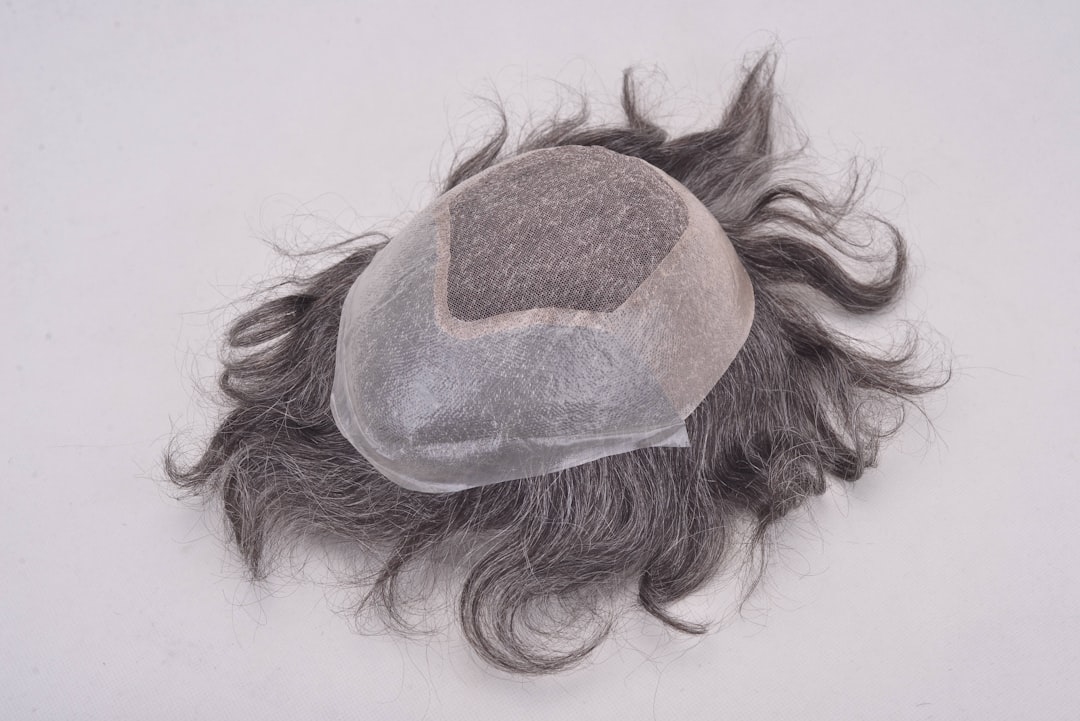
- Hairpieces or toppers (£50–£200): Clip-on hairpieces don’t require hat-wearing and can be removed for healing. However, clips may irritate the scalp during early recovery.
- Hairstyling (free): Combing existing hair forward or to the side can camouflage transplant sites without any product or hat, though effectiveness depends on your hair density and length.
Hats remain popular because they’re simple, comfortable (after week 4), and effective—but they’re not your only option if they feel too restrictive during early healing.
Expert Advice on Post-Transplant Protection
According to Mr. Haroon Javid, a registered trichologist and hair loss specialist at the London Hair Institute, “Patients often underestimate how delicate transplants are in the first month. I’ve seen people lose 10–15% of grafts from wearing tight hats or caps too early. The key is patience. Wait until your surgeon explicitly clears you, then gradually reintroduce hats. Your scalp will tell you if something’s too tight—you’ll feel pressure or irritation.”
Javid recommends: “After week 3, test with a very loose hat for 30 minutes. If you feel no sensitivity or pressure, gradually increase to 1–2 hours daily. By week 5, you should be comfortable wearing hats normally. This gradual approach is much safer than jumping straight into normal hat-wearing at the 3-week mark.”
Post-Transplant Scalp Care and Sun Protection
Even when hats are cleared, sun protection matters. Transplanted hair and healing scalp are vulnerable to UV damage. Once you can wear hats (week 5+), prioritise sun-protective styles:
- Wide-brimmed hats that shade the entire transplant area
- UV-protective baseball caps (available at outdoor shops, £20–£35)
- A sunscreen spray designed for scalps (Bondi Sands or similar, £8–£12) if you’re not wearing a hat
This protection is essential for the first year post-transplant. New hair is fragile and lacks the protective pigment buildup of established hair.
Cost Breakdown: Hat Budget for Post-Transplant Recovery
If you need hats specifically for post-transplant camouflage:
- Loose cotton baseball cap: £8–£15 (Marks & Spencer, Uniqlo)
- Wide-brimmed sun hat: £15–£35 (John Lewis, specialist hat retailers)
- Temporary hair fibres (alternative): £15–£30 per container
- UV-protective baseball cap: £20–£35 (specialist outdoor shops)
- Total realistic budget: £30–£50 for adequate post-transplant coverage
Frequently Asked Questions
Can I wear a hat two weeks after hair transplant?
Only if your surgeon approves and with strict conditions: the hat must be extremely loose, made from soft cotton, and worn for no more than 2–3 hours daily. Most surgeons still recommend waiting until week 3–4. Always confirm with your specific surgeon before attempting this.
What happens if I wear a tight hat too early?
Grafts can dislodge, causing permanent hair loss in those areas. Additionally, tight hats trap heat and moisture, increasing infection risk and slowing healing. The damage may not be apparent for several weeks—by then, failed grafts are beyond recovery. It’s genuinely worth the inconvenience of waiting.
Can I wear a hat one week after hair transplant?
No. One week post-op is too early. Your grafts are most vulnerable at this stage, and the transplant sites are still actively bleeding and scabbing. Avoid any head covering during week 1.
Should I wear a hat or use hair fibres for coverage?
Hair fibres are safer during early healing (weeks 1–3) because they don’t touch your scalp—only your existing hair. Hats are more convenient once you’re cleared to wear them (week 4+). Many people use fibres early and transition to hats after week 4.
When can you wear a hat after hair transplant without any restrictions?
After 5 weeks, most surgeons clear patients to wear normal hats without special precautions. You can wear fitted caps, beanies, and any style you prefer. However, prioritise sun-protective hats for the first year because transplanted hair is UV-sensitive.