Contents:
- What Actually Happens When You Get Laser Hair Removal
- The Timeline: How Long the Results Actually Last
- The First 3 to 6 Months After Your Final Session
- Six Months to Two Years: The Slow Creep
- Beyond Two Years: Why Some Need Top-ups, Others Don’t
- Factors That Determine How Long Your Results Last
- Skin Type and Laser Technology
- Hair Colour and Thickness
- The Area Being Treated
- Hormonal Factors
- Your Skin’s Natural Response
- What the Pros Know: Insider Tips for Lasting Results
- The Real Cost Timeline: Budget Breakdown
- Seasonal Timeline: When to Expect Results and Regrowth
- Maintenance: The Conversation Nobody Wants to Have
- Is Laser Hair Removal Truly Permanent?
- Can You Extend How Long Results Last?
- Before Your Course
- Between Sessions
- After Your Course
- Comparing Laser to Alternatives: What Actually Lasts Longer
- Laser vs. Waxing
- Laser vs. Electrolysis
- Laser vs. Prescription Creams (Eflornithine)
- Common Questions About Laser Hair Removal Longevity
- How long does laser hair removal last on the face?
- Can you get permanent results from laser hair removal?
- What happens if laser hair removal stops working?
- How often do you need laser hair removal touch-ups?
- Is laser hair removal truly worth the cost?
- The Bottom Line on How Long Laser Hair Removal Lasts
The promise sounds almost too good: zap away unwanted hair permanently. But here’s what nobody tells you until you’re lying in that chair: “permanent” doesn’t actually mean permanent in laser hair removal. The results are remarkable, yes, but they demand understanding. If you’re considering whether laser hair removal is worth the investment—financially and timewise—the real answer isn’t straightforward. It depends on your skin type, your hair colour, your body’s response, and frankly, your commitment to maintenance. This guide cuts through the marketing speak and gives you the hard facts about how long laser hair removal lasts.
What Actually Happens When You Get Laser Hair Removal
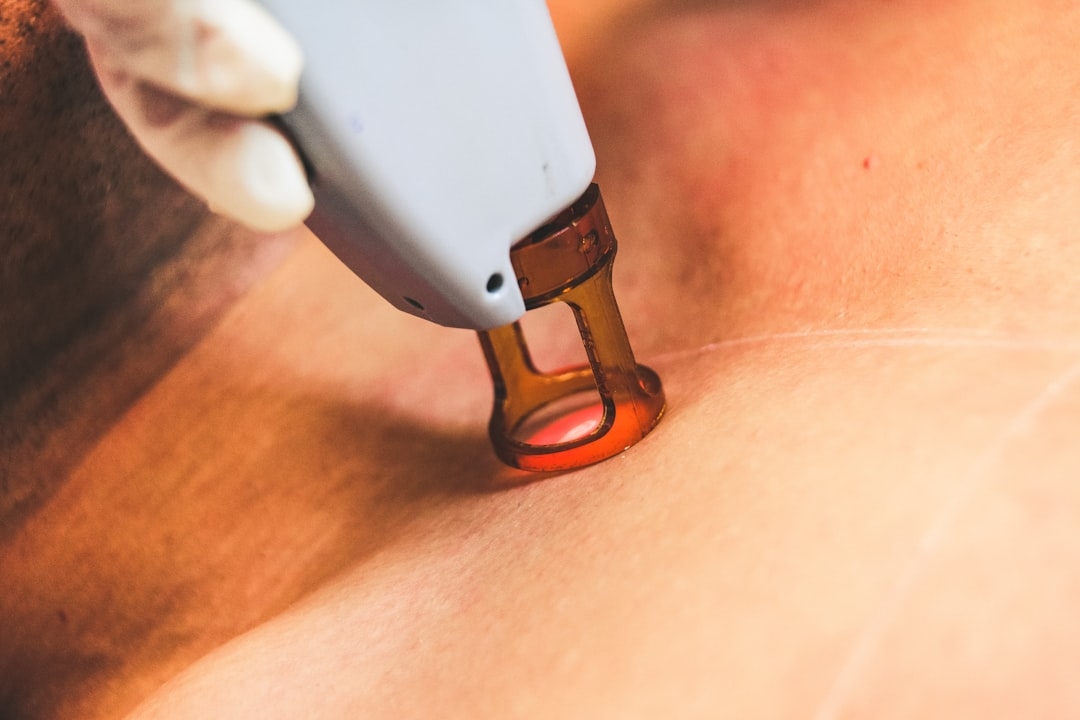
Before we talk about longevity, let’s understand the mechanics. Laser hair removal works by targeting melanin in hair follicles. The laser heats the hair shaft and damages the root, ideally preventing regrowth. The catch? Not every hair is in the right growth phase during your appointment. Hair cycles through three phases: anagen (growth), catagen (transitional), and telogen (resting). The laser only works effectively on hairs in the anagen phase, which is why you need multiple sessions spread across weeks or months.
On average, you’ll need between 4 and 8 sessions spaced 4 to 8 weeks apart, depending on the area being treated and your skin type. Facial hair typically requires 4 to 6 sessions because faces are easier targets for precision lasers. Larger body areas like legs might need 8 to 10 sessions for optimal results. This isn’t a one-off cost—UK clinics typically charge £150 to £600 per session, though this varies wildly based on location and clinic reputation.
The Timeline: How Long the Results Actually Last
Here’s the central claim you’ll see everywhere: laser hair removal results can last anywhere from 3 months to 3 years, or even permanently. That range is so wide it’s almost useless. Let’s get specific.
The First 3 to 6 Months After Your Final Session
Once you’ve completed your initial course of treatments, expect significant hair reduction—typically 75% to 90% of hairs don’t regrow in the treated area. This phase is your “honeymoon period.” Your skin is smooth. You barely think about shaving. Some people experience regrowth as early as 6 weeks; others don’t notice any hair for several months.
Six Months to Two Years: The Slow Creep
This is where reality sets in. After 12 months, some hair gradually returns. Why? Several reasons. First, the laser didn’t obliterate every single follicle—some were dormant during your treatment sessions. Second, new hairs can develop from hair follicles that weren’t active when you started. Third, hormonal changes, stress, or conditions like polycystic ovary syndrome (PCOS) can stimulate dormant follicles. By the two-year mark, you might see 20% to 40% of your original hair returning, though it’s often finer and lighter than before.
Beyond Two Years: Why Some Need Top-ups, Others Don’t
After two years, the variation is enormous. Some people enjoy essentially permanent results with zero maintenance for 5+ years. Others need maintenance sessions every 6 to 12 months. Your genes, hormones, and hair growth patterns determine which camp you’re in. Unfortunately, there’s no reliable way to predict this before you start.
Factors That Determine How Long Your Results Last
Skin Type and Laser Technology
Darker skin tones historically had shorter-lasting results because older laser equipment struggled to differentiate between hair melanin and skin melanin. Modern technology has changed this dramatically. Longer-wavelength lasers (Nd:YAG) work better on darker skin and can deliver longer-lasting results. The clinic’s investment in newer equipment directly correlates with how long your results stick around. A clinic using 2016-era technology will deliver different results than one with 2026 equipment.
Hair Colour and Thickness
Dark, coarse hair is the laser’s dream. It contains more melanin, absorbs laser energy more efficiently, and the damage is more thorough. Blonde, red, and grey hair? The laser struggles because there’s less melanin to target. A person with dark hair on pale skin might see semi-permanent results lasting 2 to 3 years. Someone with blonde hair might get only 6 to 12 months before meaningful regrowth.
The Area Being Treated
Facial hair, especially on the chin and upper lip, tends to persist longer than leg or underarm hair. Why? Facial hair is often hormone-sensitive, especially in women approaching perimenopause. Underarm and leg hair, which is less hormone-dependent, often shows longer-lasting results. Bikini and Brazilian areas fall somewhere in the middle, though hormonal sensitivity here can also drive regrowth.
Hormonal Factors
This is the wildcard nobody mentions enough. Pregnancy, thyroid issues, PCOS, and menopause all affect hair growth cycles. If you’re laser-treated during a stable hormonal period and then experience a major hormonal shift, you might see new hair growth. Women who complete laser treatment before pregnancy often enjoy great results until postpartum, when hormonal shifts can trigger regrowth.
Your Skin’s Natural Response
Some people’s bodies simply regenerate hair follicles more aggressively than others. This is partly genetic. If your parents both had thick, fast-growing hair, you likely will too—and your follicles may recover more quickly from laser damage. It’s unfair, but it’s biology.
What the Pros Know: Insider Tips for Lasting Results
Book your sessions during winter. Sun exposure darkens skin and increases the risk of complications. Plus, you’ll avoid shaving anxieties during summer beach season. Most UK clinics recommend October through February for the best outcomes. Planning your full course around this window means your final session lands in winter, and you’re entering that smooth-skin honeymoon period just as summer’s approaching.
Go to a clinic with multiple laser systems. Different lasers work differently. Clinics with both Alexandrite and Nd:YAG systems can tailor treatment to your specific skin and hair type. This precision extends results. Budget for a clinic that does this: you’ll pay 10–15% more upfront but see 20–30% longer-lasting results.
Request higher fluence settings if your skin tolerates it. Fluence is the energy level delivered per pulse. Higher settings damage follicles more thoroughly but carry slightly higher burn risks. A clinic willing to gradually increase fluence across your sessions (starting conservative, ramping up) often delivers better results than a one-size-fits-all approach. Ask about this at your consultation.
The Real Cost Timeline: Budget Breakdown
Understanding longevity only matters if you understand the full financial picture.
- Initial treatment course (6 to 8 sessions): £900 to £4,800 depending on area size and clinic. A full leg course runs £1,500 to £3,000. Full face: £600 to £1,500. Brazilian/bikini: £1,200 to £2,400.
- Year one maintenance (0 to 2 sessions): £0 to £400. Many people need nothing; others want touch-ups before summer.
- Year two to three maintenance (1 to 3 sessions): £300 to £900. This is when most people start seeing regrowth.
- Year four onward (ongoing if needed): £150 to £600 annually. This is your long-term cost if you want to maintain results.
Total five-year cost for leg hair removal in London: £2,000 to £5,400 (initial + maintenance). Compare this to Brazilian waxing every 3 to 4 weeks (£25 to £40 per session = £325 to £520 annually), and laser looks cost-effective after year two. For facial hair, the lifetime savings are even more dramatic.
Seasonal Timeline: When to Expect Results and Regrowth
The best-maintained results follow this pattern in the UK:
- Autumn/Winter (Oct-Feb): Complete your final treatment session. Avoid sun exposure. Enjoy maximum smoothness over Christmas and New Year.
- Early Spring (Mar-Apr): Your skin heals fully. Assess regrowth. Most people see zero to minimal hair.
- Summer (May-Aug): Weeks 1–12 of your post-treatment window. Typically silky smooth. Month 4 onward, fine regrowth might start, but it’s minimal.
- Autumn (Sep-Oct): By month 9 to 12, you might notice light regrowth if you’re prone to it. Schedule your first maintenance session if needed.
- Winter (Nov-Feb) Year Two: If maintenance sessions are needed, this is the ideal window. You’ll be smooth again by spring.
Maintenance: The Conversation Nobody Wants to Have

Here’s the uncomfortable truth: most people do eventually need maintenance sessions. “Permanent” is a marketing term. The FDA’s actual definition is “permanent reduction,” meaning the treated area has fewer hairs than before—not zero hairs forever. A maintenance session every 12 to 24 months is normal for 70% of people. Some people, especially those with hormone-sensitive facial hair, might need annual top-ups indefinitely.
The good news? Maintenance sessions cost less and require fewer zaps. After your initial course destroys most follicles, remaining sessions target only regrowth. A £400 initial leg course might require a £150 maintenance session two years later. That’s sustainable for most budgets.
Is Laser Hair Removal Truly Permanent?
Technically, no. The FDA allows the term “permanent hair reduction,” not “permanent hair removal.” The distinction matters. Permanent reduction means at least a 25% reduction in hair that remains stable over time. Most people see 75% to 90% reduction, which lasts 1 to 3 years before gradual regrowth. Some people achieve semi-permanent results lasting 5+ years. A tiny percentage see essentially permanent results. You won’t know which group you’re in until you finish your initial course.
Can You Extend How Long Results Last?
Not really, but you can optimise your chances. Here’s what actually works:
Before Your Course
- Book during autumn or winter to avoid sun exposure during healing.
- Avoid tanning (spray or sun) for 4 weeks pre-treatment. Tanned skin absorbs laser energy differently.
- Shave (don’t wax or pluck) the day before appointments. Waxing removes the hair shaft the laser needs to target.
- Choose a clinic with recent equipment and practitioners certified in laser safety.
Between Sessions
- Shave only; never wax, pluck, or use depilatory creams. These interfere with the hair growth cycle.
- Use SPF 50+ on treated areas for 2 weeks post-treatment.
- Avoid hot baths, chlorine pools, and intense exercise for 48 hours post-treatment.
After Your Course
- Continue sun protection on treated areas. Sun exposure can stimulate dormant follicles.
- Book maintenance sessions before regrowth becomes obvious. It’s easier to maintain smoothness than to restart heavy regrowth.
These steps won’t make results permanent, but they’ll maximise your initial response and make maintenance easier.
Comparing Laser to Alternatives: What Actually Lasts Longer
Laser vs. Waxing
Waxing lasts 3 to 6 weeks and must be repeated forever—no permanent reduction. At £30 per session every 4 weeks, you’ll spend £390 annually. Over 10 years, that’s £3,900 versus £2,000 to £5,000 for laser with maintenance. Laser wins financially after year three.
Laser vs. Electrolysis
Electrolysis is genuinely permanent—it destroys individual follicles. But it’s slower (treating one hair at a time), more painful, and costs £40 to £100 per session, with dozens of sessions required. UK clinics charge roughly the same total as laser but spread over 18 months instead of 4 months. Laser is faster and less uncomfortable; electrolysis is truly permanent.
Laser vs. Prescription Creams (Eflornithine)
Eflornithine (Vaniqa) cream slows hair growth but doesn’t remove hair. It costs £40 to £60 monthly and requires continued use forever. It’s useful as a complement to laser between sessions but not as a standalone replacement.
Common Questions About Laser Hair Removal Longevity
How long does laser hair removal last on the face?
Facial hair results typically last 1 to 3 years, though some see 5+ years of minimal regrowth. Hormonal sensitivity makes this unpredictable. Women approaching perimenopause often see faster regrowth due to hormonal shifts.
Can you get permanent results from laser hair removal?
Not strictly permanent, but “permanent reduction” is achievable—meaning the treated area has significantly fewer hairs that remain stable. 70% of people see results lasting at least 2 to 3 years, some indefinitely. Predicting where you’ll land is impossible before treatment.
What happens if laser hair removal stops working?
This is rare but possible if new follicles develop (especially hormone-driven) or if the original follicles recover. It’s not that the treatment “failed”—it’s that your body regenerated hair growth. Maintenance sessions address this. If results plateau, switching laser types (e.g., Nd:YAG if previously Alexandrite) can sometimes help.
How often do you need laser hair removal touch-ups?
This varies wildly. Some people need them every 12 months; others don’t need them until 3+ years. A realistic estimate: 70% of people benefit from 1 to 2 touch-up sessions within the first two years, then annually or every 18 months thereafter if they want to maintain results.
Is laser hair removal truly worth the cost?
For leg and underarm hair, yes. The lifetime cost of laser is lower than waxing after year two. For facial hair, especially if you’re hormone-sensitive, the cost-benefit depends on how long your results last. If you get 5 years from a single course, absolutely yes. If you need annual top-ups, it’s more expensive than waxing but saves time and hassle. Budget-conscious readers should calculate their specific scenario: frequency of current hair removal, current cost, and how long they’re willing to wait for break-even.
The Bottom Line on How Long Laser Hair Removal Lasts
Laser hair removal delivers dramatic results—typically 75% to 90% hair reduction—that last between 6 months and 3 years depending on your skin, hair, hormones, and genetics. After that, gradual regrowth occurs for most people. Some enjoy semi-permanent results lasting 5+ years; others need maintenance every 12 months. The term “permanent” is marketing speak; the reality is “permanent reduction,” which is valuable but not lifetime-free.
For budget-conscious UK readers, the calculation is simple: laser is cost-effective if results last 2+ years because the lifetime cost is lower than waxing or other alternatives. Plan your initial course for autumn or winter, choose a clinic with modern equipment, and budget for potential maintenance sessions. That’s how long laser hair removal lasts—and how to make it last as long as possible.