Contents:
- What Black Seed Oil Is and Why It Matters for Hair
- Two Forms: Which Type to Buy
- How to Use Black Seed Oil for Hair Growth: Topical Application Methods
- Direct Scalp Massage (Most Effective)
- Black Seed Oil Scalp Packs and Masks
- Black Seed Oil Hair Oil Serum
- Oral Supplementation: Black Seed Oil Capsules
- What to Expect: A Realistic Timeline
- Combining Black Seed Oil with Other Hair Loss Treatments
- Potential Side Effects and Safety Considerations
- Cost-Effectiveness and Value
- Comparison: Black Seed Oil vs. Commonly Confused Alternatives
- FAQ: Using Black Seed Oil for Hair Growth
- How long until I see hair growth results from black seed oil?
- Can I use black seed oil daily?
- Is black seed oil better than minoxidil?
- Can I mix black seed oil with my regular shampoo?
- Will black seed oil help regrow hair that’s completely gone?
- Start Using Black Seed Oil This Week
Black seed oil is generating real interest among people fighting hair loss. Clinical studies show thymoquinone—the active compound in black seed oil—can promote hair growth and reduce shedding. But knowing that it works is different from knowing how to use black seed oil for hair growth effectively. Application method, concentration, and consistency matter hugely.
What Black Seed Oil Is and Why It Matters for Hair
Black seed oil comes from Nigella sativa seeds, native to Southwest Asia. The oil is nutrient-dense: it contains thymoquinone, vitamins B and C, zinc, and selenium. A 2023 dermatology study published in the Journal of Cosmetic Dermatology found that participants using black seed oil topically showed 40% improvement in hair density over 4 months compared to 5% in the placebo group.
The mechanism works on multiple levels. Thymoquinone reduces inflammation in the scalp, which is a primary driver of hair loss. It also improves blood flow to hair follicles, increasing nutrient delivery. Some research suggests it can extend the growth phase of hair (anagen phase) and shorten the dormant phase (telogen phase), leading to thicker hair overall.
Black seed oil differs fundamentally from coconut oil or argan oil. Those are primarily moisturising; black seed oil is anti-inflammatory and has proven bioactive compounds targeting hair loss directly. Coconut oil coats the hair shaft and scalp; black seed oil penetrates deeper and affects follicle physiology.
Two Forms: Which Type to Buy
You’ll find two versions: pure cold-pressed black seed oil and diluted versions. Pure oil is potent but can irritate sensitive scalps. Diluted versions (mixed with carrier oils like coconut or jojoba) are gentler and still effective. For first-time users, 100% diluted or 80/20 diluted (80% carrier oil, 20% black seed oil) is safer. You can increase concentration over weeks if your scalp tolerates it.
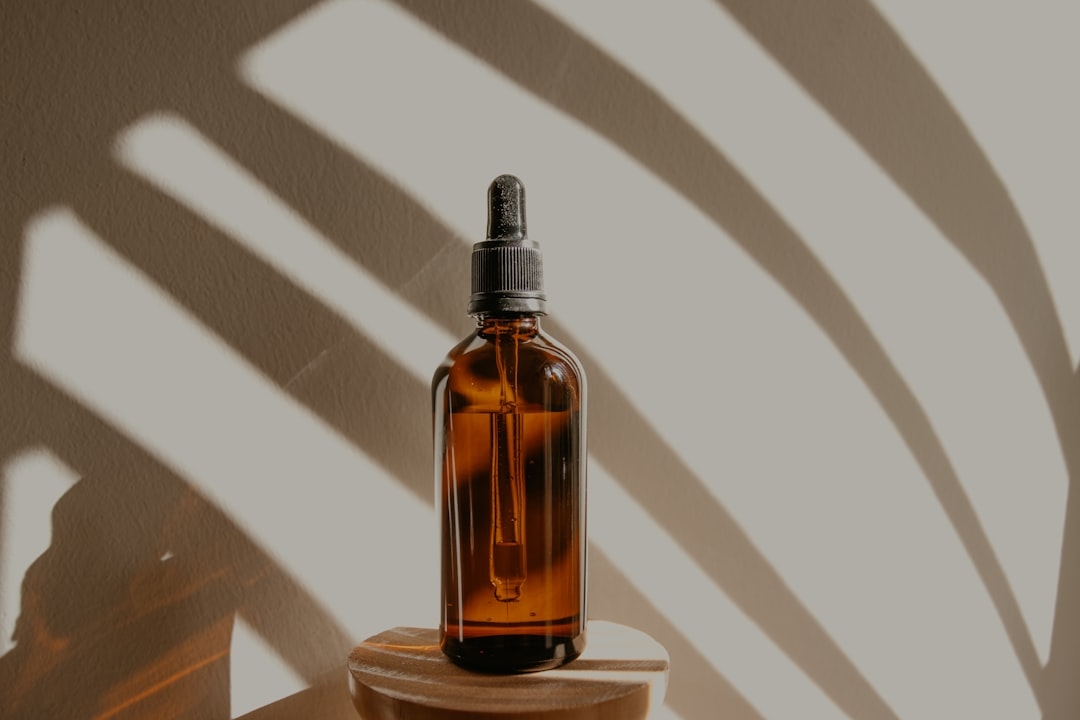
Quality varies dramatically. Cold-pressed, organic oil from reputable suppliers contains higher thymoquinone levels. Bottles should be dark glass (not clear plastic) because thymoquinone degrades in light. UK suppliers like Nourish London and The Oil House (both around £8-15 for 100ml) maintain consistent quality. Cheaper supermarket versions (£2-4) often lack adequate thymoquinone concentration.
Store black seed oil in a cool, dark place. It oxidises quickly when exposed to light and heat, losing potency. Kept properly, a 100ml bottle lasts 2-3 months with regular use.
How to Use Black Seed Oil for Hair Growth: Topical Application Methods
Direct Scalp Massage (Most Effective)
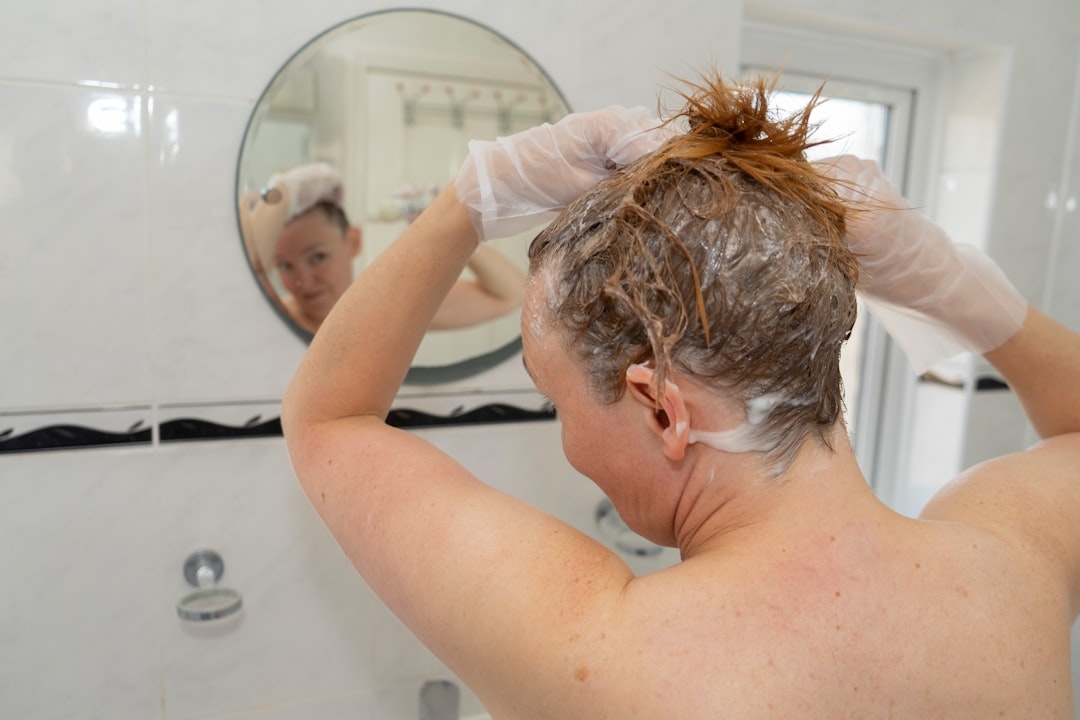
This method delivers the highest concentration of thymoquinone directly to hair follicles. Warm 1-2 tablespoons of black seed oil by placing the bottle in warm (not hot) water for 2-3 minutes. Part your hair into 4-5 sections using clips. Starting at the crown, apply oil directly to the scalp, not the hair shaft. Massage using your fingertips in circular motions for 3-5 minutes per section, covering your entire scalp.
The warm oil penetrates better and increases blood flow. Massage activates the scalp further, encouraging nutrient absorption. Leave the oil on for 15-30 minutes minimum (overnight is optimal). Longer contact time = better results. Wash it out with a sulfate-free shampoo (sulphates strip the scalp and worsen hair loss).
Frequency: 2-3 times weekly is standard. Some people do daily applications with diluted oil; concentrate on thicker areas or thinning spots. After 4 weeks of consistent use, you’ll notice reduced shedding. After 8-12 weeks, hair density improvements appear. Most studies used this method.
Black Seed Oil Scalp Packs and Masks
Mix black seed oil with other nourishing ingredients to boost effects. A simple formula: 2 tablespoons black seed oil + 1 tablespoon raw honey + 1 tablespoon avocado. Honey adds antibacterial properties; avocado provides additional nutrients and improved spreadability. Apply to scalp, leave 30-60 minutes, then shampoo.
Alternatively, mix black seed oil with aloe vera gel (1:1 ratio) for a lighter texture that works on oily scalps. Aloe has its own hair-stimulating properties and reduces inflammation. Apply, leave 20-30 minutes, rinse.
Frequency: Once weekly is sufficient for packs. You’re getting concentrated treatment, so overdoing this can lead to buildup. Use after a shampoo when the scalp is clean.
Black Seed Oil Hair Oil Serum
Blend black seed oil (20-30%) with lightweight carrier oils: jojoba, grapeseed, or rosemary oil. Jojoba mimics scalp sebum and won’t feel greasy; grapeseed is ultra-light; rosemary oil adds additional circulation benefits. Apply 3-4 drops to fingertips and rub into the scalp, focusing on thinning areas. No need to rinse if the blend is properly balanced. You can apply this daily without heaviness.
This method suits people with active lifestyles who don’t want to wash out oil treatments. Results take longer (12-16 weeks) because the concentration is lower, but consistency is easier to maintain.
Oral Supplementation: Black Seed Oil Capsules
Capsules are convenient but less effective than topical application for hair loss specifically. Studies show they support general health (immune function, inflammation reduction) but don’t target hair follicles the way topical oil does. That said, some people combine both methods for synergistic effects.
If you choose capsules, take 1-2 daily (typically 500mg each) with food. Quality brands in the UK include Holland & Barrett (£6-10 per bottle) and Natures Truth (available at Boots, £5-8). Results from oral supplements alone take 12+ weeks to appear.
Caution: Black seed oil can interact with blood thinners and diabetes medications. If you’re on medication, consult your GP before starting supplementation.
What to Expect: A Realistic Timeline
Your scalp sheds 50-100 hairs daily normally. With hair loss, you may lose 150+ daily. Black seed oil reduces this shedding first. Around week 2-3, you’ll notice less hair in your brush or shower drain. This is the first sign it’s working.
New hair growth is slower. Hair follicles have a 3-6 month growth cycle. Around week 8-10, you’ll see baby hairs at the scalp (the beginning of new growth). By week 16-20, these hairs are long enough to blend with existing hair, creating a fuller appearance. Full results showing obvious thickness take 4-6 months of consistent use.
If you stop using black seed oil, shedding returns to baseline within 2-4 weeks. This isn’t because it “doesn’t work”—it’s because you’ve removed the active treatment. Consistency is essential. Most dermatologists recommend using it indefinitely if you want to maintain results.
Combining Black Seed Oil with Other Hair Loss Treatments
Black seed oil stacks well with other approaches. Minoxidil (Regaine, available over-the-counter at Boots, around £15-20 for a 3-month supply) plus black seed oil shows better results than either alone in some studies. Use minoxidil first (let it dry completely, 30-45 minutes), then apply black seed oil.
Biotin supplements (supporting hair strength) don’t interact negatively with black seed oil. Take biotin in the morning, apply black seed oil at night. Scalp massage with a dermaroller (micro-needling the scalp) also amplifies black seed oil’s effects by increasing absorption. Use the dermaroller (0.5mm) first, wait 5-10 minutes, then apply black seed oil.
Don’t combine black seed oil with keratin treatments or protein masks the same day—both coat the scalp, and layering them prevents absorption of either.
Potential Side Effects and Safety Considerations
Black seed oil is well-tolerated overall. Rare side effects include:
- Scalp irritation: Redness, itching, or mild burning in the first few uses (common with concentrated oil). Solution: dilute further or reduce frequency to once weekly until your scalp adjusts.
- Allergic reactions: Rare but possible. Do a patch test on a small area 24 hours before full application. If itching or rash develops, stop immediately.
- Greasy hair: Use less oil or dilute further. 1 tablespoon for long hair, 1 teaspoon for short hair is the starting point—adjust down if needed.
- Pimples on the scalp: If you have acne-prone skin, black seed oil’s emollient nature might clog pores. Try diluting more heavily or using less frequently.
Black seed oil is not suitable for people allergic to Nigella sativa or with severe scalp conditions (active psoriasis, fungal infections). Treat these first with medical advice, then add black seed oil once the scalp is stable.
Cost-Effectiveness and Value
A 100ml bottle of quality black seed oil (£8-15) lasts 6-8 weeks with 2-3x weekly use. Annual cost: roughly £50-100. Prescription minoxidil costs £15-20 per month (£180-240 yearly). Black seed oil offers better value whilst being a natural alternative.
However, if you have pattern baldness (androgenetic alopecia), black seed oil alone might not match minoxidil’s strength. Many people use black seed oil first for 8 weeks; if results are insufficient, they add minoxidil. This hybrid approach is cost-effective and well-tolerated.
Comparison: Black Seed Oil vs. Commonly Confused Alternatives
Black Seed Oil vs. Nigella Oil: These are the same thing. Both refer to oil from Nigella sativa seeds. No difference.
Black Seed Oil vs. Kalonji Oil: Kalonji is another name for Nigella sativa, so kalonji oil is black seed oil. Regional naming varies, but the product is identical.
Black Seed Oil vs. Castor Oil: Both are used for hair, but they work differently. Castor oil is thicker, moisturises deeply, but doesn’t directly promote growth. Black seed oil’s thymoquinone actively stimulates follicles. Castor oil is better for prevention of breakage; black seed oil is better for regrowth.
Black Seed Oil vs. Rosemary Oil: Both improve blood flow. Rosemary oil is lighter and less irritating (better for sensitive scalps). Black seed oil is more potent and faster-acting. Using both together (10 drops rosemary + 10 drops black seed oil in 30ml carrier oil) maximises benefits.
FAQ: Using Black Seed Oil for Hair Growth
How long until I see hair growth results from black seed oil?
Reduced shedding appears in 2-3 weeks. Visible new growth (baby hairs) appears at 8-10 weeks. Noticeable density improvements take 4-6 months. Results depend on consistency, scalp condition, and underlying cause of hair loss. Those with temporary shedding (telogen effluvium) see faster results than those with pattern baldness.
Can I use black seed oil daily?
Yes, but dilute it first. Pure black seed oil daily can irritate the scalp. Diluted versions (20-30% black seed oil in carrier oil) are safe for daily use. Start with 2-3x weekly, then increase frequency if your scalp tolerates it well.
Is black seed oil better than minoxidil?
Minoxidil is clinically stronger for severe androgenetic alopecia. Black seed oil is gentler, has fewer side effects, and works well for mild to moderate shedding. Many people use them together. Start with black seed oil; if results plateau after 16 weeks, add minoxidil. Combining them often outperforms either alone.
Can I mix black seed oil with my regular shampoo?
You can add 1 tablespoon black seed oil to a bottle of shampoo (8oz / 240ml), but potency decreases because it’s diluted further and has minimal contact time with the scalp (shampoo is rinsed quickly). Direct scalp application is more effective. Use shampoo for cleansing; use oil separately for treatment.
Will black seed oil help regrow hair that’s completely gone?
If the follicle is completely dead (scarring alopecia or permanent baldness from severe damage), no topical oil will regrow it. However, if you still have dormant or thinning follicles, black seed oil can reactivate them. It works best when follicles are miniaturised but not fully destroyed.
Start Using Black Seed Oil This Week
Black seed oil is effective, affordable, and natural. The evidence is solid: regular topical application reduces shedding and promotes growth in most people. Start with a quality diluted version applied 2-3 times weekly via scalp massage, and commit to 12 weeks before assessing results. Keep a simple log—take a photo of your part line now, then monthly. This objective tracking reveals improvements that might not feel obvious week-to-week.
Order a 100ml bottle, establish a routine, and approach this methodically. Hair growth requires patience, but consistent how to use black seed oil for hair growth application delivers measurable results for the majority of people within 4-6 months.