Contents:
- Understanding Hair Structure and Natural Oils
- The Damaging Effects of Daily Hair Washing
- The Rebound Effect and Sebum Production
- Cuticle Damage and Protein Loss
- When Daily Washing Might Actually Be Necessary
- Hair Types That Tolerate Daily Washing Better
- Lifestyle Factors That Justify Frequent Washing
- Comparison: Daily Washing vs. Washing Every Other Day
- Daily Washing Routine (Every Day)
- Every Other Day Washing Routine
- Finding Your Optimal Washing Frequency
- The Hair Type Test
- The Transition Phase
- Choosing the Right Shampoo
- Practical Tips for Protecting Your Hair
- Water Temperature and Rinsing
- The Co-Washing Alternative
- Scalp Massage Technique
- Hair Type-Specific Guidance
- Straight Hair
- Curly and Wavy Hair
- Colour-Treated Hair
- Textured and Thick Hair
- Frequently Asked Questions
- How often should I actually wash my hair?
- Will my hair adjust if I stop washing it daily?
- Is it bad to wash your hair everyday if I use dry shampoo between washes?
- What if my job requires me to wash my hair frequently?
- Does hard water affect how often I need to wash?
- Your Hair’s Natural Rhythm
You step out of the shower and notice your hair’s already looking a bit greasy by evening. The next morning, you’re reaching for shampoo again before work. Sound familiar? Many people feel locked into a daily hair-washing routine, wondering if they’re actually harming their hair with all that frequent cleaning. The answer isn’t simply yes or no—it depends on several factors that we’ll unpack in detail.
Understanding Hair Structure and Natural Oils
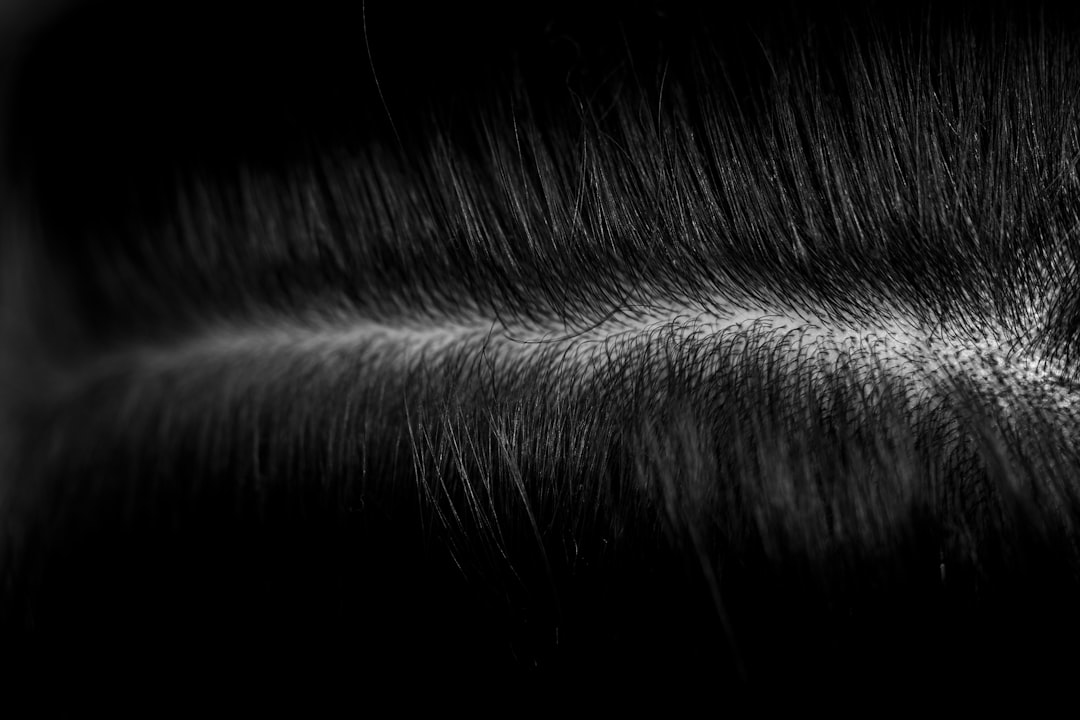
Your scalp produces sebum, a natural oil that serves a critical purpose. This isn’t just extra grease to deal with; sebum protects your hair cuticles, maintains moisture, and provides a natural barrier against environmental damage. When you understand this foundation, the question of washing frequency becomes much clearer.
Hair shaft consists of three layers: the cuticle (outer protective layer), the cortex (the bulk of your hair), and the medulla (the centre). Sebum travels down the hair shaft from the scalp, and it takes roughly 48-72 hours for this oil to distribute fully along your hair length. Daily shampooing disrupts this natural cycle.
A single strand of human hair can shed between 0.5 to 1.5 grams of sebum daily. For someone with medium-length hair covering a scalp area of approximately 600 square centimetres, this means your scalp produces roughly 150-250 millilitres of sebum weekly. That’s a substantial amount of natural protection.
The Damaging Effects of Daily Hair Washing
Is it bad to wash your hair everyday? For many people, the answer is yes—particularly if you’re using harsh cleansers. Frequent shampooing strips away sebum too quickly, forcing your scalp into overdrive to compensate.
The Rebound Effect and Sebum Production
When you remove all the sebum daily, your scalp senses that it’s lost its protective layer. In response, it cranks up sebum production to restore balance. This creates a vicious cycle: you wash, your scalp overcompensates, your hair gets greasier faster, so you wash again.
Research from dermatology journals indicates that it takes roughly 2-4 weeks for your scalp to recalibrate to a less-frequent washing schedule. Some people experience the adjustment phase where hair appears greasier before stabilising to healthier sebum levels. This is temporary and actually a sign your scalp is self-regulating.
Cuticle Damage and Protein Loss
Washing hair opens the cuticle layer, allowing moisture to escape and proteins to leach out. Daily washing multiplies this effect. Over time, your hair becomes drier, more brittle, and prone to breakage. You’ll notice this particularly in the lengths and ends—areas furthest from your scalp that receive the least sebum protection.
For colour-treated hair, daily washing accelerates colour fading by 30-40% compared to washing every other day, according to salon professionals in the UK who track customer outcomes.
When Daily Washing Might Actually Be Necessary
Not everyone should cut back to twice-weekly washing. Your hair type, lifestyle, and activities determine what’s appropriate for you.
Hair Types That Tolerate Daily Washing Better
People with fine, thin, or straight hair often need more frequent washing. Fine hair appears limp and flat when it accumulates sebum, often within 24 hours. The weight of natural oils overwhelms the hair shaft. These individuals might genuinely need to wash every day or every other day.
Additionally, if you have a very oily scalp but dry hair lengths—a common complaint—daily washing of the scalp (with minimal shampooing of lengths) might be your best compromise. You’re targeting the problem area without over-stripping delicate ends.
Lifestyle Factors That Justify Frequent Washing
Exercise routine matters significantly. If you’re working out intensely five times weekly and sweating heavily, you’re adding salt and bacteria to your scalp. Sweat itself isn’t dirty, but it does accumulate and can create odour. Rinsing with water alone after exercise, then shampooing 2-3 times weekly, might work better than daily full washes.
Your work environment also influences washing frequency. If you work in a kitchen, around heavy machinery, or in dusty conditions, your hair genuinely accumulates debris. Dust particles, grease vapours, and metal particles can lodge in your hair. In these situations, regular washing isn’t optional—it’s necessary for hygiene.
Comparison: Daily Washing vs. Washing Every Other Day
Let’s compare the practical outcomes of two different routines over three months, assuming an average UK product cost:
Daily Washing Routine (Every Day)
- Shampoo usage: ~60 ml weekly (approximately 260 ml per three months)
- Conditioner usage: ~45 ml weekly (approximately 195 ml per three months)
- Product cost over three months: Approximately £18-24 in shampoo and conditioner
- Time commitment: 21 minutes weekly (7 days × 3 minutes)
- Water usage: 315 litres per three months (105 litres weekly)
- Hair condition trajectory: Gradually drying, potential colour fade, increased breakage by week 12
Every Other Day Washing Routine
- Shampoo usage: ~40 ml weekly (approximately 173 ml per three months)
- Conditioner usage: ~30 ml weekly (approximately 130 ml per three months)
- Product cost over three months: Approximately £12-16 in shampoo and conditioner
- Time commitment: 10.5 minutes weekly (3.5 days × 3 minutes)
- Water usage: 210 litres per three months (70 litres weekly)
- Hair condition trajectory: Stabilises with healthier shine, reduced breakage, colour lasts longer
The every-other-day routine saves you roughly £6-8 quarterly and 105 litres of water while improving hair health. That’s approximately 420 litres saved annually—equivalent to filling a medium-sized paddling pool.
Finding Your Optimal Washing Frequency
The Hair Type Test
Start by identifying where your hair falls on the spectrum. Oily scalp with dry ends? Thick and curly? Fine and straight? These characteristics dramatically change your answer to whether is it bad to wash your hair everyday.
Run a simple test: wash your hair thoroughly, then examine it daily for five days. On which day does your hair start looking noticeably greasier or losing volume? That’s roughly your natural cycle. If it’s day two, you might need every-other-day washing. If it’s day four or five, you can stretch to twice weekly.
The Transition Phase
If you’re currently washing daily and want to reduce frequency, expect 10-14 days of adjustment. Your hair might appear greasier during this period. This is normal. During the transition:
- Use dry shampoo (£3-5 per bottle) on heavy days to absorb excess oil without water
- Rinse with cool water on non-wash days if your hair feels uncomfortable
- Avoid touching your hair frequently, as fingers transfer oil
- Style hair up on heavy days—buns and plaits hide greasiness effectively
- Use a silk pillowcase to reduce friction and sebum distribution while sleeping
Choosing the Right Shampoo
Product choice matters tremendously. Sulphate-containing shampoos strip more aggressively than gentler formulas. If you’re washing less frequently, switching to a sulphate-free shampoo reduces the harshness of each wash. These typically cost £4-8 per bottle versus £2-3 for standard options, but last longer since you’re using less.

For people who must wash daily, using a gentle, pH-balanced shampoo specifically formulated for frequent washing becomes essential. Look for products containing hydrating ingredients like argan oil or coconut oil.
Practical Tips for Protecting Your Hair
Water Temperature and Rinsing
Hot water opens cuticles more aggressively than warm or cool water. If you’re washing frequently, use warm water for shampooing and cool water for final rinses. This simple adjustment reduces moisture loss significantly. Cool water closes the cuticle, sealing in moisture and creating a smoother surface that reflects light—making your hair appear shinier.
The Co-Washing Alternative
Conditioner-only washing (co-washing) allows you to rinse your hair without shampoo. This removes sweat, dust, and light grease while preserving natural oils. You might use shampoo twice weekly and co-wash on other days. This approach works particularly well for curly hair and those with dry lengths but oily scalps.
Scalp Massage Technique
When you do shampoo, use your fingertips rather than nails. Massage your scalp in circular motions for 60-90 seconds. This stimulates blood circulation, promoting healthier sebum production and potentially reducing the urgency to wash frequently. Use about £2-3 worth of shampoo per wash—roughly the size of a 20-pence coin—rather than generous amounts.
Hair Type-Specific Guidance
Straight Hair
Straight hair benefits significantly from reduced washing frequency. Sebum travels down the shaft efficiently, so you need less frequent cleansing. Aim for every other day or twice weekly. If your hair appears flat and lifeless with daily washing, this is likely your culprit.
Curly and Wavy Hair
Curly textures need less frequent washing because sebum has a harder time travelling through curves. Many people with curly hair thrive on washing just twice weekly, sometimes even less. The curl pattern traps moisture, so over-washing causes dryness and frizz. This is one hair type where is it bad to wash your hair everyday is almost always a yes.
Colour-Treated Hair
If you’ve invested in colouring—whether that’s highlights at £80-150 or a full colour at £40-80—protecting that investment means washing less frequently. Colour molecules sit on the hair surface initially. Each wash degrades them slightly. Washing three times weekly instead of daily extends colour vibrancy by 4-6 weeks, potentially saving you £50-100 annually on maintenance visits.
Textured and Thick Hair
People with thick, dense hair can often manage with twice-weekly washing. The volume of hair provides natural insulation and protection. These individuals usually have the longest adjustment period when reducing washing frequency, but the payoff in hair health is substantial.
Frequently Asked Questions
How often should I actually wash my hair?
There’s no universal answer, but most hair types benefit from washing 2-3 times weekly. Fine, thin, or straight hair might need every other day. Curly, thick, or coily hair typically thrives on twice weekly. The best frequency is what your hair looks and feels best at, usually determined by a simple five-day test after your last wash.
Will my hair adjust if I stop washing it daily?
Yes, absolutely. Your scalp will recalibrate within 2-4 weeks. During the adjustment period, your hair might appear greasier than usual—this is temporary. Stick with your new routine for at least three weeks before deciding if it’s working. Most people find their hair looks healthier and shinier after the adjustment phase.
Is it bad to wash your hair everyday if I use dry shampoo between washes?
Dry shampoo helps extend time between washes and manages greasiness, but it doesn’t replace the benefits of reducing actual water washing. Dry shampoo absorbs oil but doesn’t cleanse or remove debris. Using it between twice-weekly water washes is ideal. Daily water washing with dry shampoo in between is still potentially damaging.
What if my job requires me to wash my hair frequently?
Certain professions—hairstyling, food preparation, healthcare—require frequent washing for hygiene. In these cases, prioritise product quality. Invest in a gentle, hydrating shampoo (£6-10 per bottle) and use a conditioning treatment twice weekly. Limit shampooing to your scalp and use co-washing or rinsing for your lengths. This minimises damage while maintaining cleanliness.
Does hard water affect how often I need to wash?
Yes, hard water leaves mineral deposits on your hair, making it feel greasier and dirtier faster. If you have hard water, you might need to wash slightly more frequently than someone with soft water. Installing a water softener shower head (£15-30) can reduce mineral buildup significantly, allowing you to stretch washing intervals by a day or two.
Your Hair’s Natural Rhythm
Here’s the reality: your hair has a natural rhythm that developed over thousands of years of human evolution. Daily shampooing is a modern invention, not something your scalp was designed for. Most people’s hair—and scalps—function better with 2-4 days between washes.
The question of whether is it bad to wash your hair everyday has largely been answered by dermatologists and trichologists (hair specialists): for most people, yes, daily washing is unnecessarily harsh. But the caveat matters: if your hair type, lifestyle, or work genuinely requires daily washing, use the gentlest approach possible and invest in quality products that protect rather than strip.
Start your observation this week. Wash your hair today, then track how it feels each day. Notice the texture on day two, the volume on day three, the natural shine on day four. You’ll quickly discover your hair’s ideal rhythm. The adjustment might feel awkward for two weeks, but the payoff—healthier, shinier, more resilient hair—is worth it. Plus, you’ll save money, time, and water. That’s a win for your hair and your wallet.