Contents:
- Understanding Seborrheic Dermatitis and Its Link to Hair Loss
- How Inflammation Triggers Hair Loss
- Distinguishing Seborrheic Dermatitis from Other Conditions
- Severity Matters: Mild vs. Severe Cases
- Treatment Options That Address Both Conditions
- Topical Antifungal Treatments
- Medicated Topical Treatments
- Oral Medications
- Common Mistakes to Avoid
- Supporting Hair Recovery
- When to Seek Professional Help
- FAQ Section
- Does seborrheic dermatitis permanently damage hair follicles?
- How long does it take to see improvement with treatment?
- Can seborrheic dermatitis come back after treatment?
- Is seborrheic dermatitis contagious?
- Should I cut my hair shorter while managing seborrheic dermatitis?
- Moving Forward with Confidence
Quick Answer
Yes, seborrheic dermatitis can cause temporary or prolonged hair loss. The scalp inflammation weakens hair roots and causes shedding, though the condition itself doesn’t typically lead to permanent baldness if treated promptly.
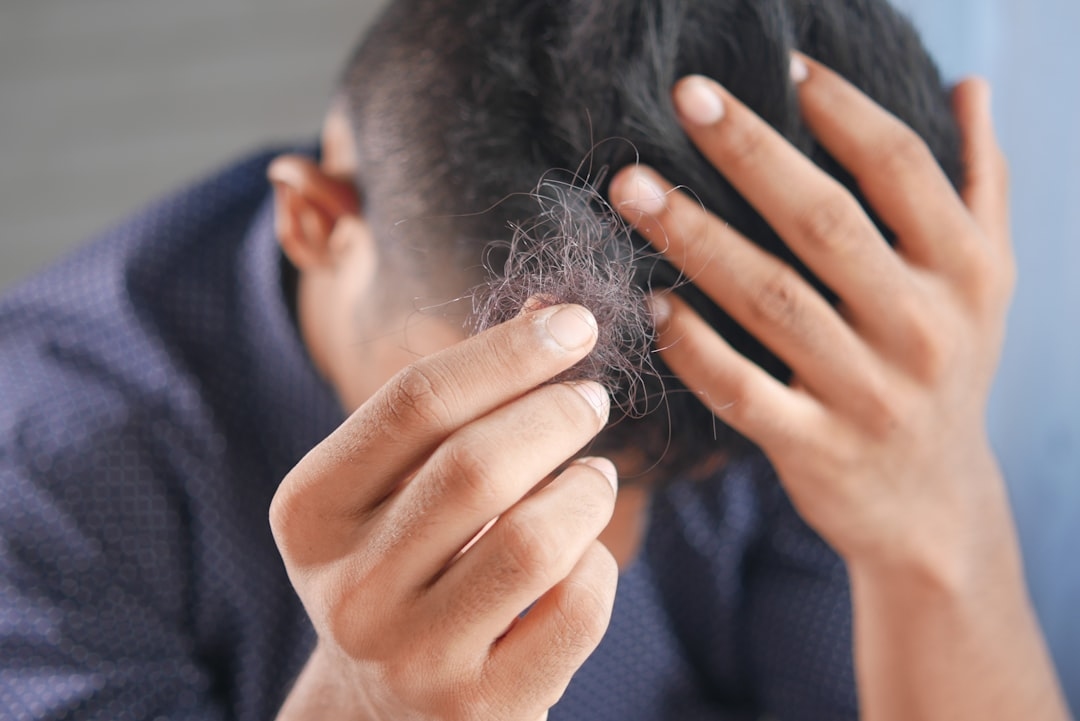
Picture yourself getting ready one morning, running your fingers through your hair, and noticing more strands collecting in your comb than usual. You catch sight of a flaky, irritated scalp in the mirror—possibly itchy, possibly painful. That uncomfortable combination of scaling and unexpected hair loss can feel alarming, especially if you’ve never experienced it before. This is the reality for many people dealing with seborrheic dermatitis.
Understanding Seborrheic Dermatitis and Its Link to Hair Loss
Seborrheic dermatitis is a chronic inflammatory skin condition that primarily affects areas rich in oil glands, including the scalp, face, and upper back. The condition causes redness, flaking, and itching—sometimes described as dandruff on steroids. While seborrheic dermatitis doesn’t destroy hair follicles permanently, the inflammation and irritation it creates can absolutely trigger hair shedding.
The mechanism is straightforward: inflammation weakens the hair shaft and disrupts the growth cycle. When your scalp is inflamed, the hair roots don’t have a stable environment to grow. This leads to telogen effluvium—a condition where hair prematurely enters its shedding phase. Patients often report losing 50-150 additional hairs daily compared to their normal 30-50, though this varies significantly between individuals.
How Inflammation Triggers Hair Loss
The scalp’s inflammatory response to seborrheic dermatitis creates several complications. The yeast Malassezia, which thrives on sebum-rich skin, overgrows during this condition. Your immune system reacts to this overgrowth, producing inflammatory cytokines that irritate not just the skin surface but the entire follicle environment.
When inflammation surrounds the hair root, the follicle essentially enters a defensive state. The hair that’s currently growing gets pushed into the telogen (shedding) phase faster than normal. Most people don’t notice this immediately—there’s typically a 2-3 month lag between when hair falls out and when you actually see the volume loss, because the shedding starts from beneath the scalp’s surface.
Distinguishing Seborrheic Dermatitis from Other Conditions
Seborrheic dermatitis is often confused with other scalp conditions, particularly psoriasis. Here’s the key difference: seborrheic dermatitis produces a greasy, yellow-tinged scale, whilst psoriasis creates thicker, silvery plaques. Seborrheic dermatitis typically appears on the scalp, face, and chest—wherever there are dense oil glands. Psoriasis, by contrast, can appear anywhere but often shows up on elbows and knees. Additionally, seborrheic dermatitis responds well to antifungal treatments, whilst psoriasis requires different management strategies. If you’re unsure, a GP can provide a definitive diagnosis through visual assessment.
Severity Matters: Mild vs. Severe Cases
Not all seborrheic dermatitis causes noticeable hair loss. Mild cases with minimal inflammation may produce only normal shedding. Moderate to severe cases—where redness is pronounced and flaking is extensive—are far more likely to trigger visible hair loss. A 2024 dermatological study found that patients with severe seborrheic dermatitis reported 3-4 times more hair shedding than those with mild symptoms.
Your individual factors matter too. People with naturally oily scalps, weakened immune systems, or higher stress levels tend to experience more pronounced symptoms and hair loss. Those with a family history of baldness may notice that seborrheic dermatitis accelerates existing hair thinning patterns.
Treatment Options That Address Both Conditions
Topical Antifungal Treatments
The first line of treatment typically involves antifungal shampoos containing ketoconazole (1-2%), which you can find in products like Nizoral at most UK pharmacies for around £8-12 per bottle. This addresses the Malassezia overgrowth driving inflammation. Use these shampoos 2-3 times weekly for 2-4 weeks, leaving them on the scalp for 5-10 minutes. For maintenance, once or twice weekly is usually sufficient.
Selenium sulphide shampoos (2.5%) offer another option, though they’re less commonly recommended now. Zinc pyrithione-based shampoos like Head & Shoulders are gentler for daily use, though less potent for severe cases.
Medicated Topical Treatments
For more stubborn cases, GPs often prescribe topical corticosteroids like clobetasol propionate or fluticasone propionate foam. These reduce inflammation quickly—often within 1-2 weeks—which halts the hair loss cycle. However, these shouldn’t be used indefinitely, as prolonged steroid use can thin the skin. A typical course lasts 2-4 weeks, then you switch to gentler maintenance treatments.
Coal tar treatments are older but effective options, available over the counter. Whilst less glamorous than modern treatments, they reduce inflammation and can cost as little as £4-6 per bottle.
Oral Medications
If topical treatments don’t work, your GP might prescribe oral antifungals like terbinafine or itraconazole. These are typically reserved for severe, widespread cases because of potential side effects and cost—oral antifungals can run £30-60+ on the NHS depending on your area.
Common Mistakes to Avoid
Several habits worsen seborrheic dermatitis and accelerate hair loss. Scratching your scalp, whilst tempting when itchy, damages hair roots and spreads inflammation. Washing with very hot water strips natural oils, paradoxically triggering the scalp to produce more sebum, which feeds the yeast. Switching shampoos constantly prevents you from giving treatments time to work—most require 4 weeks of consistent use before seeing results. Overusing styling heat or tight hairstyles puts additional stress on already-weakened hair roots. Finally, neglecting stress management matters more than many realise; psychological stress directly worsens seborrheic dermatitis through immune system changes.
Supporting Hair Recovery
Once you’ve controlled the inflammation, your hair will gradually recover. Hair growth cycles take 3-6 months to normalise, so patience is essential. In the meantime, gentle hair care practices help. Use a soft-bristled brush, avoid tight ponytails or braids, and consider biotin supplements (though evidence is modest, they support keratin production). A balanced diet with adequate protein, zinc, and iron—found in chicken, legumes, and leafy greens—supports hair strength.
Some people benefit from scalp massages, which improve blood circulation without causing trauma. Spend 2-3 minutes daily massaging your scalp with your fingertips using gentle, circular motions.
When to Seek Professional Help
If hair loss is sudden, severe, or occurs across your entire scalp rather than just where the dermatitis appears, see your GP. They can rule out other causes like iron deficiency, thyroid issues, or alopecia areata. Similarly, if your condition doesn’t improve after 4-6 weeks of appropriate treatment, a dermatology referral is worthwhile—your NHS GP can provide this free of charge.
FAQ Section
Does seborrheic dermatitis permanently damage hair follicles?
No. Seborrheic dermatitis itself doesn’t destroy follicles. The hair loss is temporary and reversible once inflammation subsides. With proper treatment, follicles typically recover within 3-6 months.
How long does it take to see improvement with treatment?
Anti-itch symptoms often improve within 1 week, but you need 3-4 weeks to see meaningful reductions in scaling and flaking. Hair loss typically stabilises within 4-6 weeks of starting effective treatment, with regrowth becoming visible around the 2-3 month mark.
Can seborrheic dermatitis come back after treatment?
Yes. Seborrheic dermatitis is chronic, so most people benefit from periodic maintenance treatments. This might mean using medicated shampoo once weekly or bi-weekly, even after your scalp clears up.
Is seborrheic dermatitis contagious?
No. Whilst it involves yeast overgrowth, you cannot catch it from someone else. It develops due to individual immune and skin factors, not from external transmission.
Should I cut my hair shorter while managing seborrheic dermatitis?
Shorter hair isn’t strictly necessary, but it does reduce weight on weakened roots and makes medicated treatments easier to apply evenly. Many people find shorter styles psychologically helpful whilst coping with noticeable shedding.
Moving Forward with Confidence
Seborrheic dermatitis causing hair loss is distressing, but it’s also highly treatable. The combination of appropriate antifungal therapy, anti-inflammatory measures, and gentle scalp care creates a clear path to recovery. Your hair loss will reverse as inflammation subsides. Start with your GP if you haven’t already—they can confirm the diagnosis and recommend treatments suitable for your specific situation. Consistency with your chosen treatment matters far more than finding the “perfect” product. By 2026, better treatment options than ever are available, and most people see substantial improvement within weeks, not months. Give your scalp the attention it needs now, and you’ll notice your confidence returning along with your hair.