Contents:
- Understanding Why Blonde Hair Gets Brassy
- The Science of Hair Toning: How It Actually Works
- Method 1: Purple Shampoo and Conditioner
- Method 2: Purple Toner Treatments and Masks
- Method 3: Demi-Permanent Colour Glazes
- Natural and Sustainable Toning Methods
- What the Pros Know: The Scheduling Secret
- Seasonal Timeline: Adjusting Your Routine Year-Round
- Maintaining Blonde Between Toning Treatments
- Common Mistakes to Avoid
- FAQ: Common Questions About Toning Blonde Hair
- Beyond Toning: When to Seek Professional Help
- Your Toning Journey: Moving Forward
Back in the 1950s, platinum-blonde hair symbolised elegance and glamour, immortalised by film stars like Grace Kelly and Audrey Hepburn. Yet what many people didn’t realise was the constant battle these Hollywood icons faced to keep their blonde looking cool and radiant rather than dull or brassy. Today, we understand far more about the science behind blonde maintenance—and you don’t need a Hollywood stylist to achieve salon-quality results at home.
Whether you’ve recently lightened your hair or find your existing blonde gradually shifting warmer over time, learning how to tone down blonde hair is one of the most valuable skills you can develop. The transformation from brassy, orange-tinted hair to soft, silvery blonde isn’t magic—it’s chemistry. And with the right knowledge, you can control that chemistry yourself.
Understanding Why Blonde Hair Gets Brassy
Blonde hair isn’t simply blonde. Light hair contains underlying pigment molecules that reveal themselves differently depending on several factors. When your hair lightens during bleaching or sun exposure, these warm pigments become increasingly visible. Think of it like diluting paint: the more you dilute red paint, the lighter and warmer it appears, rather than turning truly colourless.
Environmental exposure accelerates this process significantly. UV rays, chlorine, pollution, and even mineral-rich tap water deposit pigments that build up on the hair shaft over time. Research from hair science laboratories shows that blonde hair exposed to chlorinated water can shift 1-2 shades warmer within 3-4 weeks of regular exposure. Hard water—containing calcium and magnesium—creates a similar effect, coating the hair and trapping warmth.
Temperature matters too. Heat from styling tools, hot water, and even your shower temperature all encourage the oxidation process that deepens warm tones. This is why even professionally toned blonde can slip into brassy territory faster than you’d expect if aftercare isn’t properly maintained.
The Science of Hair Toning: How It Actually Works
Hair toning relies on colour theory. Warm tones and cool tones sit opposite each other on the colour wheel. Purple neutralises yellow. Blue neutralises orange. This isn’t complicated—it’s the same principle you’d use when colour-correcting makeup.
Toning products work by depositing temporary or semi-permanent pigment onto the hair shaft. Unlike permanent hair dye, these pigments gradually wash out (usually over 4-8 weeks depending on the product type), making them perfect for maintenance and experimentation. The key is selecting the right undertone strength for your specific situation.
The depth of your blonde determines which toner you need. If your hair is pale, platinum blonde with yellow tones, you’ll need a purple or violet toner. If it’s darker blonde with orange or copper tones, you might need a blue-based toner instead. Using the wrong colour won’t damage your hair, but it won’t effectively neutralise unwanted warmth either.
Method 1: Purple Shampoo and Conditioner
Purple shampoo is the most accessible entry point for at-home toning, and it’s surprisingly effective when used correctly. These products contain violet pigments that cling to warm, brassy tones and neutralise them gradually.
How to use purple shampoo properly:
- Wet your hair thoroughly with lukewarm water
- Apply the purple shampoo directly to mid-lengths and ends, avoiding the scalp initially
- Leave it on for 3-5 minutes (the longer you leave it, the stronger the toning effect)
- Work it through gently with your fingers; don’t scrub aggressively
- Rinse thoroughly with cool water to seal the hair cuticle
- Follow with a purple conditioner to restore moisture
Use purple shampoo once or twice weekly, not daily. Overuse can make blonde look ashy or dull, and it can dry out hair if not paired with adequate conditioning. Budget roughly £6-12 for mid-range purple shampoo in the UK market, with premium salon brands reaching £18-25 per bottle.
For maximum results, extend your treatment time occasionally. Once weekly, try leaving purple shampoo on for 10-15 minutes to create a more intensive toning effect. This is particularly useful if your blonde has shifted noticeably brassy and you need faster correction.
Method 2: Purple Toner Treatments and Masks
For deeper, longer-lasting results, dedicated toner treatments offer more concentrated colour correction than shampoo alone. These are semi-permanent products designed specifically to deposit pigment into the hair structure.
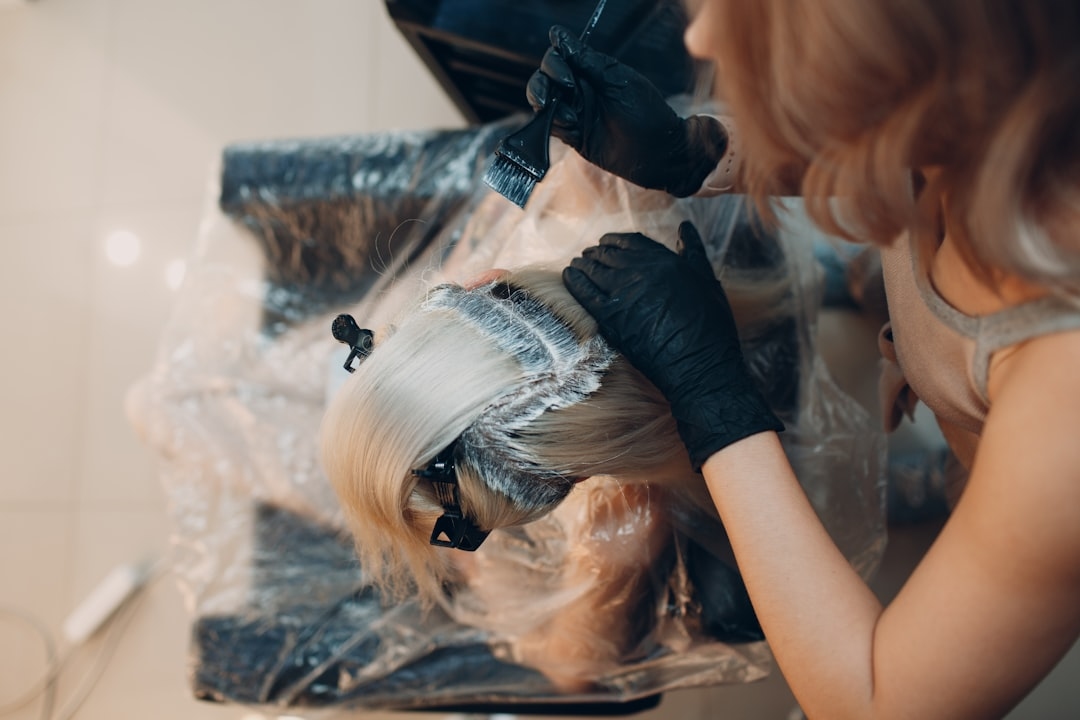
Popular options include Wella T18, Schwarzkopf Igora Vibrance, and Bleach London Toner. These products typically cost £10-20 and provide 4-8 weeks of toning depending on how often you wash your hair and your water hardness. Application is straightforward: section dry hair, apply the toner evenly from roots to ends, leave for the recommended time (usually 20-45 minutes), then rinse.
Choosing your strength:
- T18 or similar pale toners: Ideal for very light, platinum blonde with minimal brassiness
- T14 or mid-tone violets: Perfect for light blonde with moderate yellow tones
- Blue-based toners: Best for darker blonde or when your hair has orange undertones
One bottle typically lasts for 2-3 applications on shoulder-length hair. For longer or thicker hair, budget an extra half bottle per application.
Method 3: Demi-Permanent Colour Glazes
If your blonde has faded significantly or you want a more visible colour shift alongside toning, demi-permanent colour glazes offer excellent flexibility. These sit between toner and semi-permanent dye in terms of commitment and staying power.
Products like Schwarzkopf Gliss or Clairol Demi offer shades specifically designed for blonde toning (look for labels like “pale ash” or “cool blonde”). They last longer than toner—typically 12-24 shampoos—and add subtle depth while neutralising warmth. Cost ranges from £5-12 per box.
The advantage here is customisation. You can blend shades or dilute the demi-colour with conditioner to create a gentler toning effect suited to your exact needs. This method works beautifully for maintaining blonde between professional visits.
Natural and Sustainable Toning Methods
For those interested in gentler, more environmentally conscious approaches, several natural methods can provide supplementary toning support, though they won’t deliver the rapid results of commercial products.
Chamomile rinse: Brewed chamomile tea acts as a mild yellow-neutralising agent. Brew strong chamomile tea, allow it to cool, and use it as a final rinse after shampooing. Repeat weekly for subtle, gradual toning. This is particularly gentle and suitable for very delicate or compromised blonde.
Apple cider vinegar rinse: The acidity helps close the hair cuticle and can reduce brassiness slightly whilst adding shine. Dilute one part apple cider vinegar with four parts water and use as a final rinse once weekly. Don’t use more frequently, as excessive vinegar can become drying.
Sustainable product choices: Many UK-based brands now offer eco-friendly purple shampoos in solid bar form or recyclable packaging. Brands like Unwashed and HairLust provide sustainable options at similar price points to conventional products (£8-15). These reduce packaging waste whilst delivering the same toning benefits.
Consider your water usage too. Brief showers with lukewarm (rather than hot) water reduce both brassiness acceleration and environmental impact. Every minute of hot water saved represents energy conservation.
What the Pros Know: The Scheduling Secret
Professional colourists use a time-based approach to toning that home users often miss. Rather than toning reactively when hair becomes noticeably brassy, they schedule toning treatments 3-4 weeks after lightening and then establish a maintenance cycle based on individual hair and water type.
For most people with average hard water, this means purple shampoo twice weekly year-round, supplemented with an intensive toner treatment every 8-12 weeks. Heavy gym users or those with chlorinated pool access should increase this to weekly intensive treatments. By treating toning as preventative rather than corrective, you avoid the dramatic brassy phases and maintain consistently beautiful blonde.
Seasonal Timeline: Adjusting Your Routine Year-Round
Toning needs shift throughout the year. Understanding these seasonal variations helps you maintain optimal results with minimal product waste.

Spring (March-May): As UV exposure increases and chlorinated outdoor pools become accessible again, shift to purple shampoo twice weekly if currently using it once weekly. This period requires the most diligent maintenance.
Summer (June-August): This is peak brassiness season. If you spend time outdoors or in pools, you may need weekly intensive toner treatments alongside twice-weekly purple shampoo. The good news: you’re less likely to miss washing your hair in summer.
Autumn (September-November): UV exposure decreases, so many people can reduce to once-weekly purple shampoo. This is an excellent time to try an intensive treatment if you’re planning winter holidays with sun exposure.
Winter (December-February): Lower UV and reduced pool time often mean you can maintain your blonde with less frequent toning. However, indoor heating dries hair, so prioritise deep conditioning alongside whatever toning you do use.
Maintaining Blonde Between Toning Treatments
Toning products work best when the hair is already in good condition. Every measure you take to protect blonde from brassiness-accelerating factors makes toning more effective.
Water temperature: Always rinse with cool water after shampooing. This single habit noticeably extends the time between brassiness episodes. Lukewarm water for washing is acceptable; cool water for rinsing is non-negotiable.
Reduce heat styling: Blow dryers, straighteners, and curling tools accelerate oxidation. Where possible, air-dry your hair or use heat tools on lower settings. If you style daily, consider reducing to 3-4 times weekly as an experiment—many people find their blonde stays cooler much longer.
Protect from UV: Use a leave-in conditioner with UV protection, or opt for hair-specific sunscreen sprays (brands like Bonita offer these at £8-12). Wear hats or use a parasol when spending extended time outdoors, particularly 11am-3pm when UV is strongest.
Filter your water: If you have very hard water (common in much of the UK), a shower filter costing £20-40 reduces mineral buildup significantly. Hard water creates visible yellowing much faster than soft water. Installing a filter is a one-time investment that extends the time between toning treatments.
Specialist blonde shampoo: On non-purple-shampoo days, use a sulphate-free, pH-balanced blonde shampoo. These cleanse without stripping colour. Expect to pay £8-15 for specialist brands versus £2-4 for mass-market options—the investment pays dividends in colour longevity.
Common Mistakes to Avoid
Even with good intentions, toning efforts can backfire if you’re making these frequent errors.
Applying toner to already-wet hair: Wet hair absorbs toner too quickly and unevenly. Always apply toner products to dry hair for controlled, even coverage.
Leaving purple shampoo on too long daily: Using purple shampoo as a standard daily cleanser will make your hair progressively more ashy and dull. Stick to 2-3 times weekly for maintenance, or 1-2 times weekly if your blonde is naturally cool.
Ignoring the condition of your hair: Toner clings better to healthy hair with a smooth cuticle. If your hair is dry, damaged, or frizzy, toning results will be disappointing. Prioritise moisture treatments before expecting spectacular toning results.
Expecting permanent results: All toning fades. Treating this as a maintenance routine rather than a permanent fix prevents disappointment. Budget time and money for regular toning.
Using the wrong toner type for your depth: A pale platinum toner on naturally darker blonde (level 8-9) won’t show meaningful results. Understanding your current hair depth is essential for product selection.
FAQ: Common Questions About Toning Blonde Hair
How often should I tone my blonde hair?
This depends on your water type, sun exposure, and desired coolness level. As a baseline, use purple shampoo 1-2 times weekly and intensive toner every 8-12 weeks. Those with very hard water or heavy sun exposure may need more frequent treatment. Those with very cool blonde may need less.
Can toning damage blonde hair?
Toning products are gentler than permanent dyes and don’t damage healthy hair. However, overusing purple shampoo or leaving toner on longer than directed can leave hair looking ashy or dull. Follow product instructions and alternate toning with nourishing treatments.
Why does my blonde still look brassy after toning?
Several possibilities: you may have selected the wrong toner strength for your hair depth, left the product on for insufficient time, or your hair may have deeper orange tones requiring a blue-based toner rather than purple. Alternatively, you may have very porous hair that releases toner quickly—in this case, shorter intervals between treatments help.
Is purple shampoo suitable for all blonde types?
Purple shampoo works best on light blonde (levels 8-10). Very dark blonde may not show visible results from purple alone. Very light or platinum blonde benefits more from violet-based toners. If unsure, start with one purple shampoo treatment on a small section to see the effect.
Can I mix toning products?
Mixing different toners isn’t recommended unless you’re experienced with colour. You may create muddy or unpredictable results. That said, diluting a toner with conditioner to reduce its strength is a safe way to customise intensity.
How long does toner typically last?
Purple shampoo deposits temporary pigment that gradually fades with each wash—expect 2-3 weeks of noticeable effect with twice-weekly use. Semi-permanent toners last 4-8 weeks depending on hair porosity and wash frequency. Demi-permanent glazes last 12-24 shampoos.
Beyond Toning: When to Seek Professional Help
Some situations benefit from professional intervention. If your blonde has shifted green (from pool chlorine reacting with metal minerals), a professional colour correction is safer than home treatment. Similarly, if you’ve over-toned to the point of muddy, ashy hair, a stylist can gently refresh the tone more effectively than home products.
Professional toning also matters after significant lightening. If you’ve recently gone very blonde (level 9-10), your first toning should ideally happen in-salon where a stylist can assess your exact undertone needs and apply product with precision.
Budget around £35-60 for professional toning in the UK (2026 pricing), versus £6-20 for home products. For maintenance only, home toning is cost-effective. For correction or first-time toning of very light blonde, professional application offers superior results.
Your Toning Journey: Moving Forward
Brilliant blonde doesn’t happen by accident. It’s the result of understanding your specific hair needs and committing to regular, appropriate maintenance. Learning how to tone down blonde hair transforms it from a high-maintenance headache into a manageable routine. Start with purple shampoo twice weekly, observe how your hair responds over 4-6 weeks, then adjust based on results and season.
This year, make a decision: invest the £10-15 monthly in quality toning products and 10 minutes weekly in application, and you’ll maintain blonde that looks freshly coloured for months. Your future self—looking in the mirror at consistently cool, radiant blonde—will thank you for starting now.